Why NYC Culture Influences Content Trends in 2026
- Vain.

- 7 days ago
- 8 min read
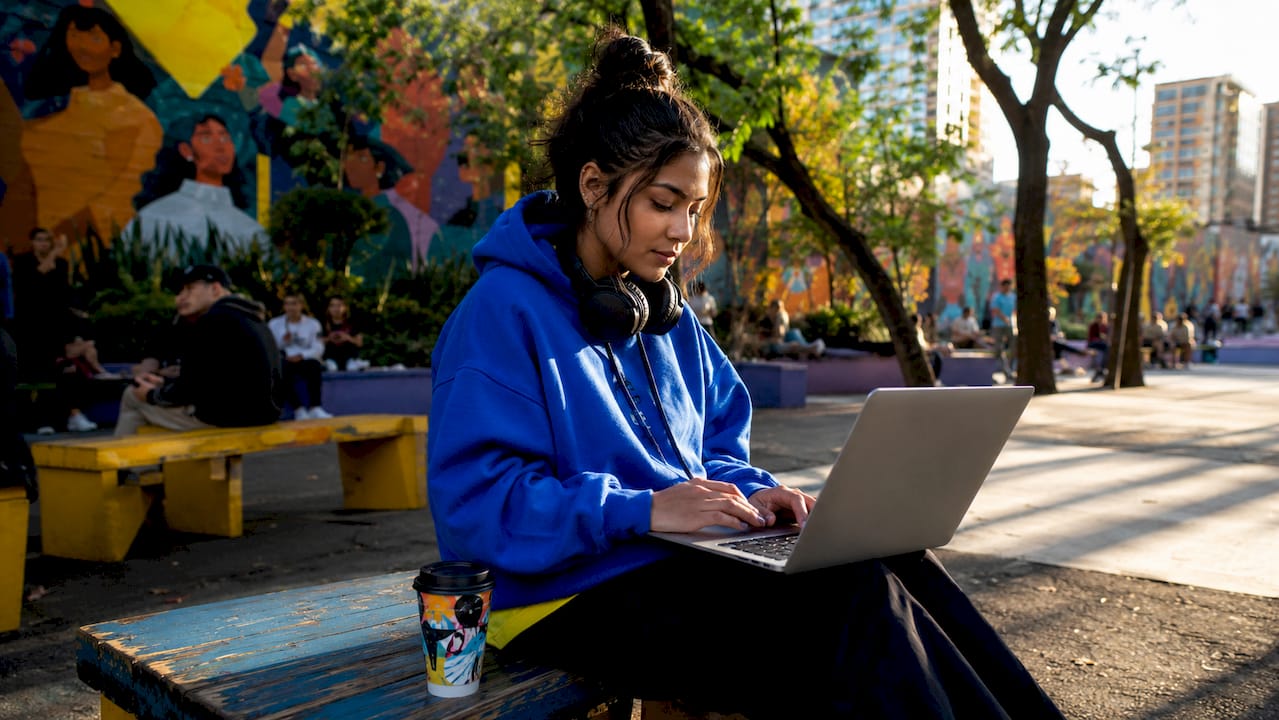
New York City is the world’s most powerful content incubator because its unmatched cultural density, immigrant heritage, and media infrastructure compress global influences into trends that spread digitally within days. Understanding why NYC culture influences content trends is not an academic exercise. For content creators, marketers, and cultural analysts, it is a practical map to where the next wave originates. NYC’s cultural compression machine imports raw cultural signals, mutates them through neighborhood friction, and exports them globally before most cities have even registered the original signal.
Why NYC culture influences content trends so powerfully
New York City’s content influence is rooted in its multicultural demographic structure. No other American city concentrates so many distinct immigrant communities in such close physical proximity. That proximity creates constant cultural cross-pollination, and cross-pollination is the engine of original content.
The Puerto Rican community offers one of the clearest examples. By 1970, Puerto Ricans accounted for over 10% of NYC’s total population. That demographic weight built institutions, parades, and a distinct urban identity that now shapes global music, fashion, and language. The Puerto Rican Day Parade draws over 1 million attendees annually. That is not just a celebration. It is a live content event that generates millions of organic social posts, brand activations, and cultural reference points.
NYC also functions as what researchers describe as a cultural amplifier. Black American culture, Caribbean influences, South Asian communities, and East Asian neighborhoods all operate within blocks of each other. The result is hybrid content forms that feel simultaneously local and universal. Spanglish captions, Afrobeats-influenced fashion reels, and Korean-American food content all originate from this friction.
Here is what makes NYC’s multicultural mix uniquely powerful for content:
Dialect and slang as content currency. NYC street language, from AAVE to Nuyorican slang, travels from neighborhood corners to TikTok captions to global brand copy within months.
Food as cultural storytelling. Neighborhoods like Flushing, Jackson Heights, and the South Bronx produce food content that blends authenticity with accessibility, a combination that consistently outperforms polished studio food photography.
Fashion as neighborhood identity. Streetwear aesthetics from Harlem, Bed-Stuy, and the Lower East Side regularly appear in global brand campaigns months after they debut on local creators’ feeds.
Community events as content calendars. NYC’s parade culture, block parties, and cultural festivals give creators a recurring content structure that audiences recognize and anticipate.
Pro Tip: Map your content calendar to NYC’s cultural event cycle. The West Indian American Day Carnival, the Lunar New Year parade in Flushing, and the Bronx Week celebration each generate authentic content opportunities that resonate far beyond the five boroughs.
How does nyc’s media ecosystem speed up trend cycles?
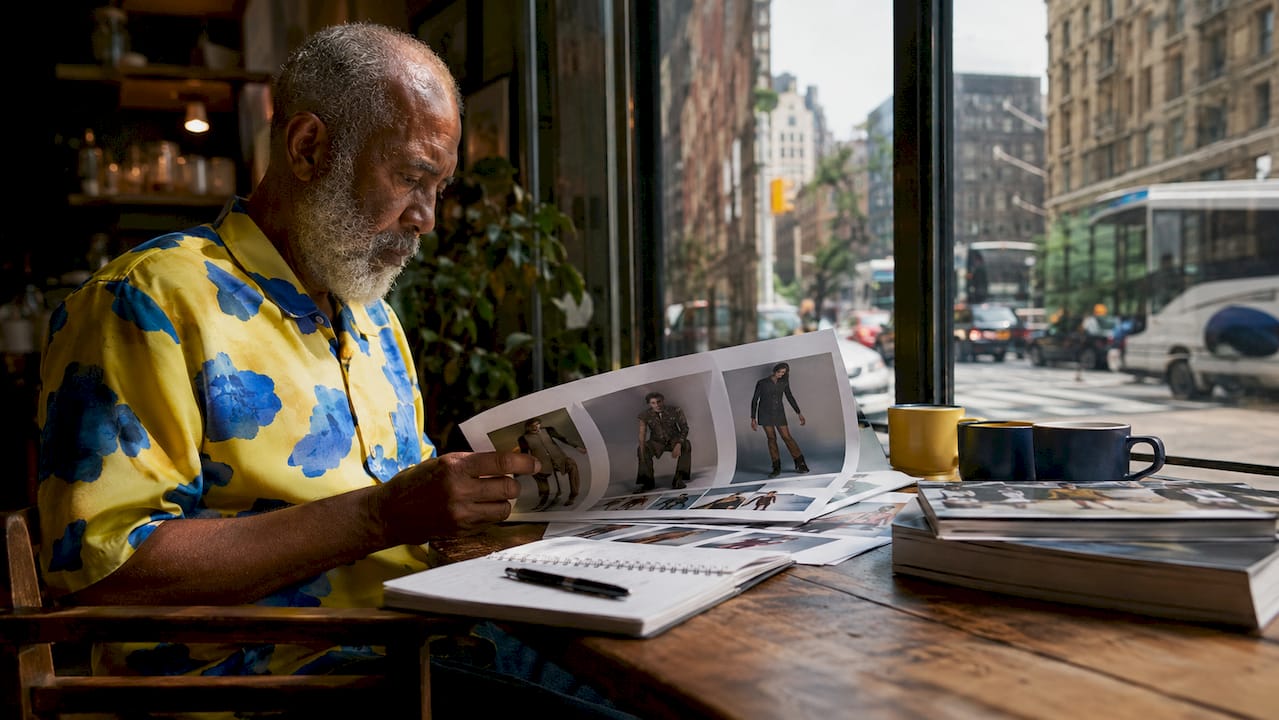
NYC’s trend velocity comes from its dense concentration of gatekeepers. Editors at Vogue, The New York Times, and New York Magazine sit within miles of the buyers at Bergdorf Goodman, the talent agents at WME, and the brand strategists at agencies like Droga5. When all of these decision-makers occupy the same physical and social space, trend validation happens at a speed that decentralized markets simply cannot match.
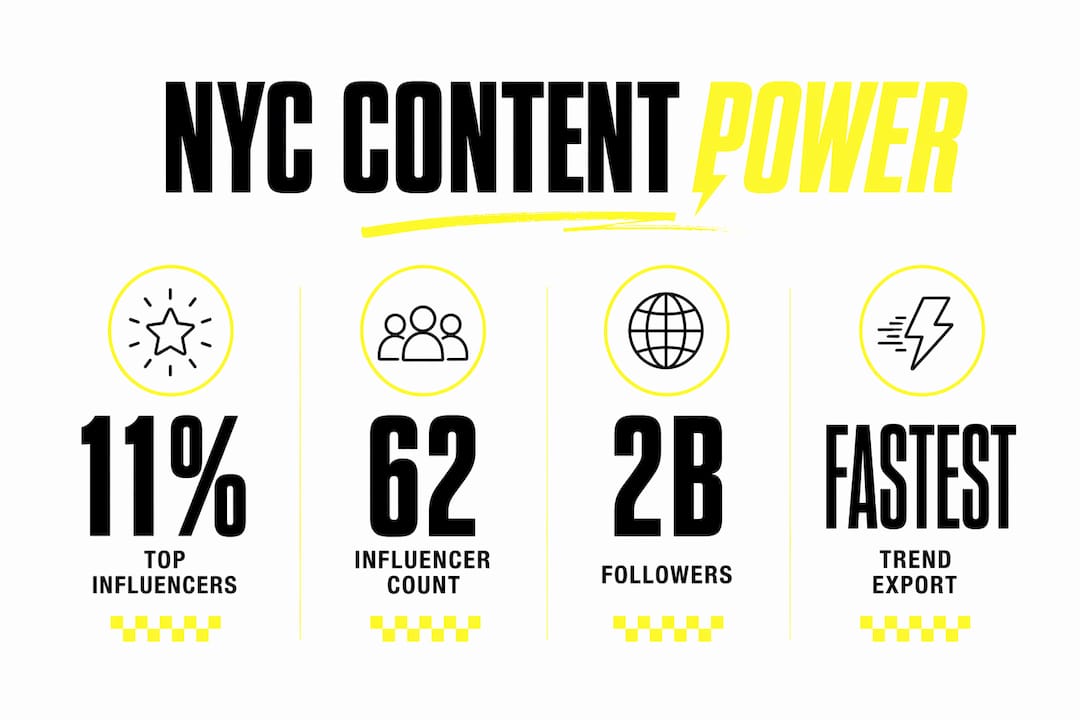
New York State produces 11% of the top U.S. influencers, a group of 62 individuals with a combined 2 billion followers. That number tells you something critical. Influencers are now a top New York export, sitting alongside finance and fashion as industries where the city maintains a structural advantage.
The media infrastructure spans every format. Print institutions like The New Yorker and Harper’s Bazaar still set cultural agendas. Digital-first outlets like The Cut and Hypebeast translate those agendas for younger audiences. Independent creators on YouTube, Instagram, and TikTok then carry those signals into niche communities worldwide. NYC is the only city where all three layers operate simultaneously and in constant dialogue.
City | Media Gatekeeper Density | Cultural Diversity Index | Trend Export Speed |
New York City | Very High | Very High | Fastest |
Los Angeles | High | High | Fast |
London | High | High | Fast |
Chicago | Medium | Medium | Moderate |
Miami | Medium | High | Moderate |
Brands that build following in NYC demonstrate appeal across diverse demographics and retail formats. Investors and retail buyers treat NYC market success as proof of concept before committing to national rollouts. That dynamic makes the city a proving ground, not just a market.
Pro Tip: If you are pitching a content series or brand campaign, lead with NYC traction. A strong performance in Brooklyn or Manhattan carries more weight in a media deck than equivalent numbers from most other U.S. cities.
What makes nyc’s street culture so viral?
Authentic urbanism is the defining content aesthetic of the post-pandemic era. Creators shifted toward unscripted urban content after 2020, prioritizing human density, street friction, and spontaneous interactions over polished studio production. NYC provides all three in abundance, on every block, at every hour.
The city’s content power does not come from the Statue of Liberty or Times Square. It comes from the subway platform at 125th Street, the corner bodega in Bushwick, and the pickup basketball game in Rucker Park. These unscripted environments generate the kind of raw, specific content that audiences now reward with attention and shares.
Consider how this plays out for brands:
Streetwear brands like Supreme built their entire content identity around the Lafayette Street drop line. The queue itself became the content, long before the product was ever shown.
Food brands that film in actual NYC bodegas or delis consistently outperform those that recreate the aesthetic in a studio. Audiences recognize the difference immediately.
Fitness and wellness creators who film in Central Park or along the Hudson River Greenway tap into a visual shorthand that communicates energy, community, and aspiration without a single word of copy.
Music and culture accounts that document live performances at venues like SOBs or the Apollo Theater carry an authority that no algorithm-optimized content can replicate.
The cross-contamination of cultures in adjacent neighborhoods is itself a source of viral content. When a Dominican barbershop sits next to a Yemeni deli next to a Nigerian hair salon, the resulting street-level content reflects a complexity that audiences find genuinely compelling. That complexity is not manufactured. It cannot be replicated in a content studio in suburban New Jersey.
How does NYC compare to other cities for content influence?
NYC’s cultural density and media infrastructure surpass those of every other city in the United States, and most cities globally. That is not a boast. It is a structural reality with measurable consequences for content creators and marketers.
Los Angeles is the closest competitor. LA dominates entertainment production, with Hollywood studios, major talent agencies, and a creator economy centered on YouTube and podcast culture. But LA’s cultural geography is sprawling and car-dependent. That physical spread slows the kind of spontaneous cultural collision that NYC generates daily. LA trends often feel curated. NYC trends feel discovered.
London offers a comparable level of cultural diversity and media infrastructure, but its content export speed is constrained by time zones and a media ecosystem that still leans heavily on traditional broadcast formats. London sets trends within Europe effectively. NYC sets them globally.
The affordability crisis adds a genuine complication to NYC’s content dominance. The artist population in New York City has declined by 4.4% since 2019. That decline signals a real risk. The cultural vitality that makes NYC a content powerhouse depends on working artists, musicians, and creators being able to afford to live and work in the city. If that population continues to shrink, the authentic cultural friction that drives trend creation shrinks with it.
For now, NYC retains its position as the fastest incubator and global exporter of digital content trends. The NYC Fashion District alone demonstrates how concentrated creative infrastructure accelerates both production and trend diffusion across global markets. Creators and marketers who understand this structural advantage can position their work to ride those export cycles rather than chase them.
Key takeaways
NYC drives global content trends because its multicultural density, gatekeeper concentration, and unscripted street culture create a compression system that no other city can replicate at the same speed or scale.
Point | Details |
Multicultural density fuels originality | NYC’s immigrant communities generate hybrid content forms that resonate locally and globally. |
Gatekeeper concentration speeds trends | Editors, buyers, and creators in close proximity validate and export trends faster than any decentralized market. |
Authentic urbanism outperforms polish | Unscripted street content from NYC consistently outperforms studio-produced alternatives in engagement and shareability. |
NYC is the global proving ground | Brands and creators who build traction in NYC signal credibility to investors, buyers, and audiences worldwide. |
Affordability threatens long-term vitality | A 4.4% decline in NYC’s artist population since 2019 poses a real risk to the cultural engine that powers trend creation. |
NYC content culture: what i’ve learned after years in this city
I have spent years watching content trends emerge from NYC neighborhoods before they ever appeared on a brand mood board or a trend report. My honest observation is this: most content creators and marketers who try to “use NYC” as a backdrop get it wrong in the same way. They film the skyline. They shoot in Times Square. They recreate the aesthetic without ever touching the actual culture.
The creators who win are the ones who go to the block. They sit in the barbershop. They film the parade from inside the crowd, not from a rooftop with a drone. They let the city’s noise, friction, and density become part of the content rather than something to be edited out in post.
Post-pandemic NYC has changed in ways that matter for content strategy. The city is louder, more expressive, and more willing to perform for a camera than it was before 2020. There is a collective energy that reads beautifully on video. But there is also a fatigue with content that feels extractive, where a creator parachutes in, grabs footage, and leaves without contributing anything to the community they filmed.
The creators I respect most treat NYC neighborhoods as collaborators, not locations. They credit the people in their content. They return. They build relationships with local businesses and cultural institutions. That approach produces content that audiences can feel is real, and real content is the only kind that builds lasting audiences. The Vain Blog’s perspective on NYC’s artistic identity captures exactly this spirit: the city rewards those who show up with genuine curiosity and respect.
— Neville
How Vainnewyork brings NYC culture to life in content
Vainnewyork was built on the same creative energy this article describes. As a creative media and technology company rooted in New York City, Vainnewyork translates the city’s cultural pulse into content, brand development, and audience growth strategies for creators and marketers who want to do more than observe the trend cycle. We help you participate in it.
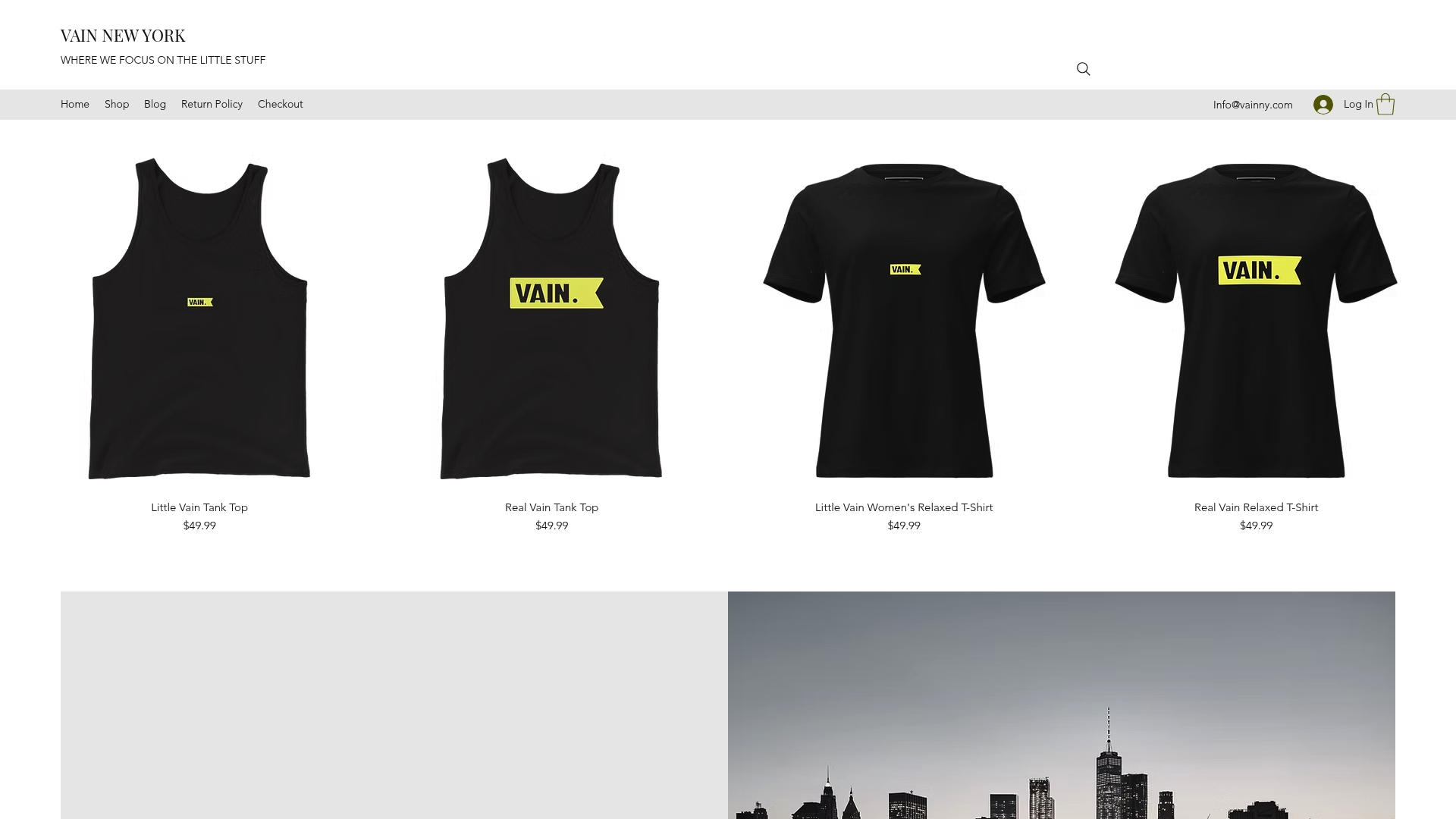
Whether you are looking for content strategy grounded in authentic NYC culture, or you want to carry a piece of that energy with you, Vainnewyork’s NYC-inspired collection reflects the same creative values that make this city the world’s content capital. From the Little Vain Auburn one-piece swimsuit to our full range of culturally rooted designs, every product is an expression of the city we love and the creative community we serve.
FAQ
Why does NYC set content trends faster than other cities?
NYC’s dense concentration of media gatekeepers, including editors, buyers, and creators, validates and distributes trends from niche to mainstream faster than any decentralized market. That speed is structural, not accidental.
How does nyc’s multicultural population shape content?
NYC’s immigrant communities create hybrid content forms by blending dialects, food traditions, fashion aesthetics, and cultural events. These outputs feel both specific and universal, which is why they travel globally.
What is “authentic urbanism” in content creation?
Authentic urbanism refers to unscripted urban content that captures real street interactions, human density, and spontaneous moments rather than polished or staged production. Post-pandemic audiences consistently reward this style with higher engagement.
Is nyc’s content influence at risk?
The artist population in NYC has declined by 4.4% since 2019 due to the affordability crisis. If working creators can no longer afford to live in the city, the cultural friction that generates original content trends will weaken over time.
How can marketers use NYC culture without being inauthentic?
Marketers should engage with specific neighborhoods, communities, and cultural events rather than using generic NYC imagery. Crediting local creators and building ongoing relationships with cultural institutions produces content that audiences recognize as genuine. For a deeper look at how cultural news stories are structured, that framework applies directly to brand storytelling rooted in place.
Recommended
Comments