What Does Media Production Mean? A Student's Guide


Media production is defined as the structured process of transforming creative ideas into finalized media content through three primary phases: pre-production, production, and post-production. Whether you are studying film at a university, building a brand on social media, or working toward a career in advertising, understanding what does media production mean gives you a foundation that applies across every creative industry. From a 30-second commercial to a feature-length documentary, every piece of polished media you have ever watched passed through this same disciplined process. At Vainnewyork, we see media production not as a technical checklist but as a craft that turns vision into something the world can experience.
What does media production mean and why does it matter?
Media production is a structured process that converts raw ideas into finished media products. It is the backbone of film, television, advertising, journalism, and digital content creation. Without it, creative concepts remain ideas. With it, they become films, campaigns, podcasts, and branded content that move audiences.
The definition of media production extends beyond simply pressing record. It covers every decision made before a camera rolls, every frame captured during filming, and every edit, color grade, and sound mix applied afterward. Producers, directors, editors, and sound engineers all contribute to a single output. That collective effort is what separates professional media from a casual phone video.
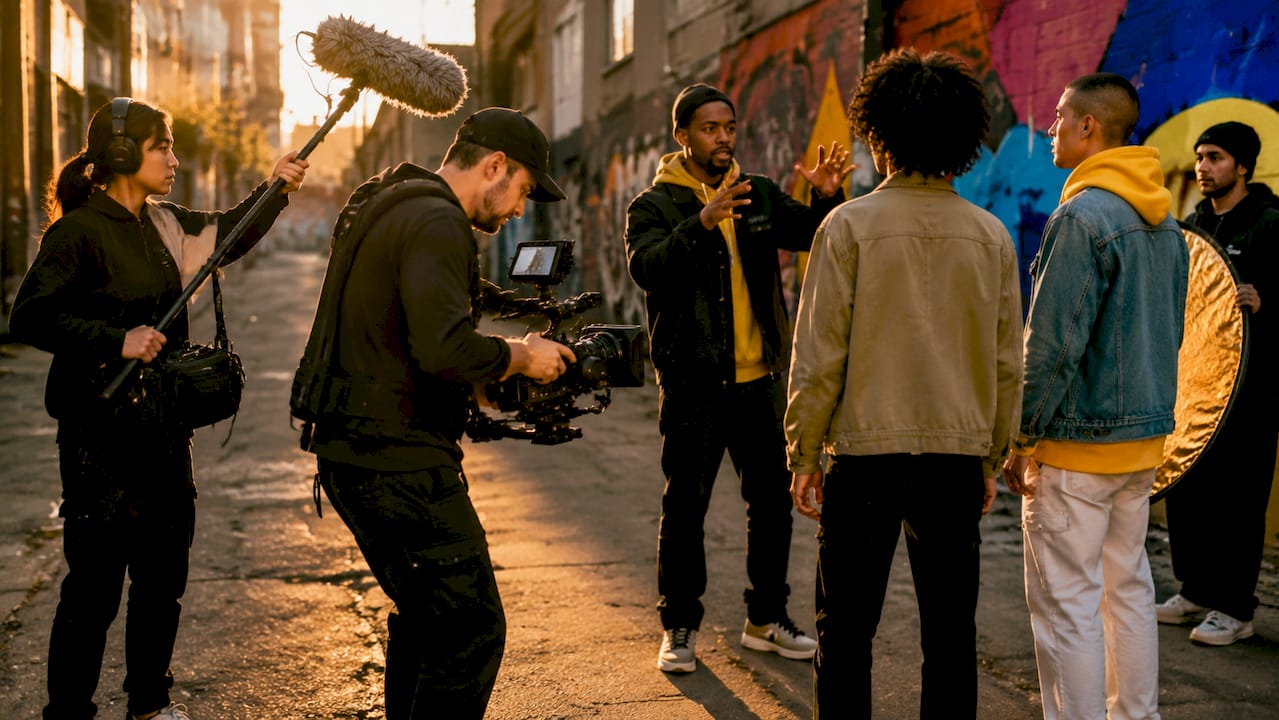
Media production matters because it sets the standard for quality and impact. Content built on a proper production process holds audience attention longer, communicates messages more clearly, and carries greater credibility. Brands like Nike, Apple, and the BBC invest heavily in structured production because they understand that the process directly shapes the result.
What are the main stages of media production?
The three stages of media production are pre-production, production, and post-production. Each stage has a distinct purpose, and skipping or rushing pre-production consistently leads to poor project outcomes and unusable footage. Understanding what happens in each phase is the clearest way to understand how media production works.
Pre-production: where everything begins
Pre-production covers all planning and preparation before any content is captured. This includes:
Scripting and storyboarding: Writing dialogue, narration, and visual sequences
Location scouting: Identifying and securing filming environments
Casting: Selecting on-screen talent or voice performers
Scheduling: Building a production timeline and call sheets
Budget planning: Allocating resources across departments
Pre-production is the intellectual and organizational engine of any project. A film crew that arrives on set without a locked script, a confirmed location, or a clear shot list will waste time and money. The planning phase is not glamorous, but it is where professional productions are won or lost.
Pro Tip: Treat pre-production as at least one-third of your total project timeline. Every hour spent planning saves three hours of costly fixes during filming or editing.
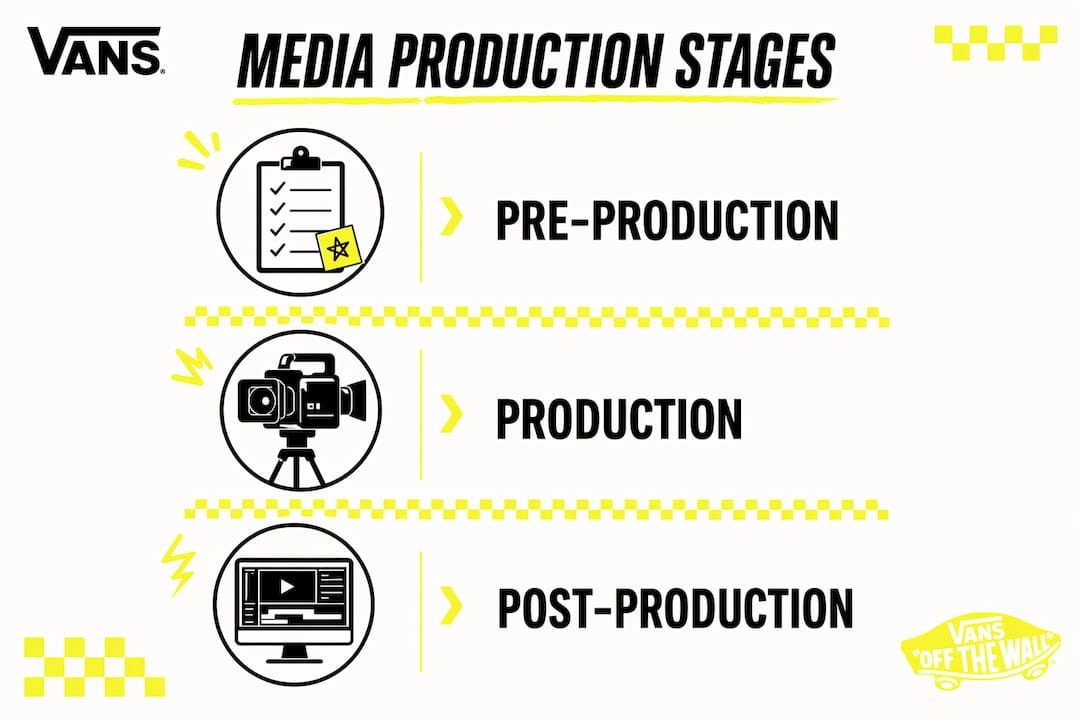
Production: capturing the work
Production is the execution phase, where the actual content is captured. A film crew shoots scenes. A podcast team records interviews. A graphic designer builds visual assets. This is the stage most people picture when they think about media creation, but it is only possible because pre-production laid the groundwork.
Production demands coordination between every department simultaneously. A director of photography manages camera angles and lighting while a sound recordist monitors audio levels and a director guides performance. Each role depends on the others. When pre-production has been thorough, production runs with focus and efficiency.
Post-production: where raw material becomes art
Post-production transforms raw footage and assets into a polished final product. Post-production generally requires two to three times more hours than filming to achieve professional results. That ratio surprises most beginners. It reflects how much craft goes into editing, color grading, sound mixing, visual effects, and final delivery.
Key post-production tasks include:
Video editing: Assembling footage into a coherent sequence
Color grading: Adjusting the visual tone and mood of the image
Sound design and mixing: Balancing dialogue, music, and ambient audio
Motion graphics: Adding titles, lower thirds, and animated elements
Export and delivery: Formatting the final file for its intended platform
Media production is rarely linear. Post-production tasks often begin during pre-production when technical choices are made to avoid future issues. A colorist may be consulted before a single frame is shot to ensure the camera settings will support the intended grade.
How do modern media production workflows function?
A media production workflow is the operational system that moves a project from concept to published content. Modern media production workflows include at least eight key elements: planning, writing, design, editing, review and approval, asset management, publishing, and content measurement. Each element connects to the next, and a breakdown at any point creates delays across the entire chain.
Here is how those eight elements function in sequence:
Planning: Define the project scope, audience, format, and deadlines
Writing: Develop scripts, briefs, or content outlines
Design: Create visual concepts, mood boards, and graphic assets
Editing: Assemble and refine all captured content
Review and approval: Circulate drafts to stakeholders for feedback
Asset management: Organize and store all files in a structured system
Publishing: Distribute the finished content to its intended platform
Measurement: Track performance data to inform future productions
The review and approval stage is the most common bottleneck in media production workflows. Unclear feedback, missing decision-makers, and undefined approval authority all cause projects to stall. Productions that define who has final sign-off authority before work begins move significantly faster through this stage.
Workflow Element | Primary Purpose | Common Risk |
Planning | Align team on scope and goals | Vague briefs lead to rework |
Review and approval | Validate quality before publishing | Unclear authority causes delays |
Asset management | Organize files for fast retrieval | Poor naming causes lost files |
Publishing | Deliver content to the audience | Wrong format for platform |
Measurement | Evaluate content performance | Skipped entirely by beginners |
Pro Tip: Standardized file-naming and folder-structure protocols set up before production starts are what separate projects that meet deadlines from those that miss them. Build your folder structure on day one.
Professional media production vs. spontaneous content creation
Professional media production requires specialized teams, higher standards, and professional equipment, producing content with lasting impact and stronger audience influence. Spontaneous content creation, such as a quick Instagram Reel or a casual YouTube vlog, operates without those formal structures. Both have value, but they serve different purposes and produce different results.
Factor | Professional media production | Spontaneous digital content |
Planning | Detailed pre-production phase | Minimal or none |
Budget | Significant investment | Low to zero cost |
Team size | Multiple specialized roles | One to two people |
Quality standard | Broadcast or commercial grade | Variable |
Shelf life | Long-term asset | Short-term engagement |
Professional media carries greater credibility because audiences can feel the craft behind it. A well-lit interview with clean audio and precise editing signals authority. That signal is why brands, news organizations, and entertainment studios continue to invest in formal production processes even as casual content floods social platforms.
The distinction also matters for students. Learning the principles of professional media production gives you a transferable skill set. You can apply those principles whether you are producing a short film, a brand documentary, or a social media campaign.
What roles and elements shape a media production team?
A media production team is built from specialized departments, each contributing a distinct craft to the final product. Understanding the diverse departments of film production reveals how many skilled professionals collaborate to create a single piece of content.
Core roles in a production team include:
Producer: Manages budget, schedule, and overall project delivery
Director: Guides the creative vision and performance on set
Director of photography (DP): Controls camera work, framing, and lighting
Sound engineer: Captures and manages audio during production
Editor: Assembles and shapes the final cut in post-production
Colorist: Applies the visual grade that defines the film’s mood
Motion graphics designer: Creates animated titles and visual elements
Coordination between these roles is not optional. A director who does not communicate with the DP produces visually inconsistent footage. A producer who does not brief the editor creates confusion in post. The quality of a finished production reflects the quality of the collaboration behind it.
Emerging technologies are reshaping how these roles function. AI-assisted editing tools, real-time color grading software, and live streaming production platforms have expanded what small teams can achieve. Adaptability to constantly evolving technologies is more valuable than mastering any single tool. The media professionals who thrive are those who learn new systems quickly and apply them with creative judgment.
A video production process guide built for creators and marketers reinforces this point. The most effective producers treat technical tools as instruments, not identities. The craft is the constant. The tools change.
Key Takeaways
Media production is a structured, multi-stage process that transforms creative ideas into professional content through defined workflows, specialized roles, and disciplined execution.
Point | Details |
Three core stages | Pre-production, production, and post-production each serve a distinct and non-skippable purpose. |
Pre-production is critical | Rushing the planning phase causes chaos on set and unusable footage in post. |
Workflows have eight elements | From planning to measurement, each element must function to keep a project on schedule. |
Approval is the top bottleneck | Defining clear feedback authority before production starts prevents the most common project delays. |
Adaptability beats tool mastery | Learning new technologies quickly is more valuable than deep expertise in any single software. |
Why pre-production deserves more respect than it gets
Most aspiring producers I have worked with share the same blind spot. They are eager to shoot. They want to be on set with a camera in hand, not sitting at a desk writing shot lists or building folder structures. That impulse is understandable. Production feels like the real work. Pre-production feels like homework.
That thinking is exactly what causes projects to fall apart. When you arrive on a shoot without a locked script, a confirmed location, or a clear understanding of what the editor will need, you are not being spontaneous. You are being unprepared. The footage you capture will reflect that. Editors cannot fix a scene that was never properly planned. Colorists cannot save footage shot in the wrong format.
The productions I have seen succeed consistently are the ones where the producer treated pre-production as the most creative phase, not the most administrative one. Storyboarding forces you to visualize the edit before you shoot a single frame. Scheduling forces you to think about what is actually achievable. Budget planning forces you to make creative decisions early, before those decisions become expensive problems.
My honest advice to any student entering this field: spend twice as long in pre-production as you think you need. Build your folder structure before you capture a single file. Define who approves what before anyone picks up a camera. The craft of media production lives in that preparation.
— Neville
How Vainnewyork supports your media production work
Vainnewyork is a creative media and technology company built for people who take content seriously. We work with creators, brands, and students who want to move from ideas to finished media with intention and craft. Our network of collaborators covers content creation, brand development, and audience growth, giving you access to the kind of production thinking that turns ordinary concepts into extraordinary work. Whether you are just learning the fundamentals or ready to build something real, explore what we offer at the Vainnewyork creative hub and find the tools and resources that match where you are in your production journey. Visit our shop to see what we have built for creators like you.
FAQ
What does media production mean in simple terms?
Media production is the structured process of turning a creative idea into a finished piece of content, such as a video, podcast, or advertisement, through three defined phases: pre-production, production, and post-production.
What are the three stages of media production?
The three stages are pre-production (planning and scripting), production (capturing content), and post-production (editing and finishing). Each stage builds directly on the one before it.
How long does post-production take compared to filming?
Post-production typically requires two to three times more hours than the actual filming phase. Editing, color grading, sound mixing, and delivery all contribute to that extended timeline.
What is the biggest mistake beginners make in media production?
Skipping or rushing pre-production is the most common and costly mistake. Without thorough planning, productions generate unusable footage and face expensive delays during editing.
What skills matter most for a career in media production?
Adaptability to new technologies matters more than mastery of any single tool. Strong organizational skills, clear communication, and the ability to collaborate across departments are equally critical to long-term success.
Recommended
Comments