Why Community Merchandise Builds Culture and Belonging

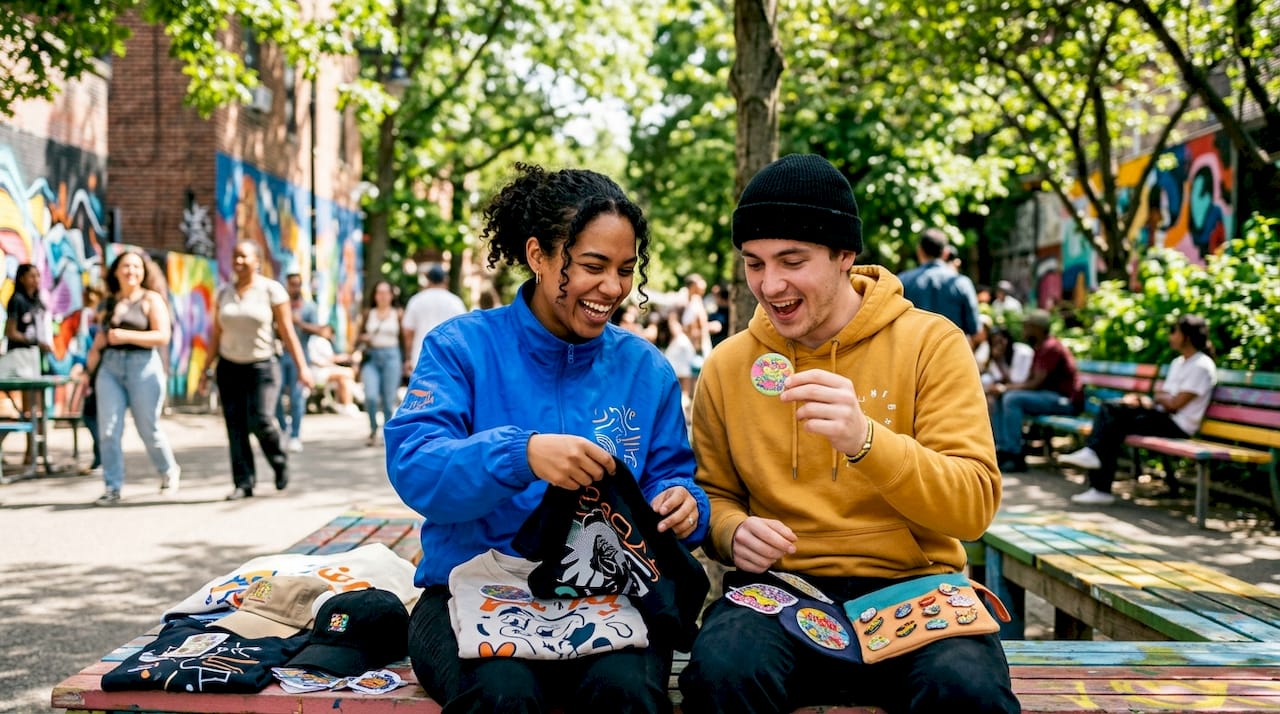
Community merchandise is defined as any branded or locally symbolic object that transforms abstract group identity into a visible, wearable sign of belonging. This is exactly why community merchandise builds culture: it compresses shared values, history, and pride into a single physical object that others can read in an instant. A sports fan’s jersey, a neighborhood brand’s tote bag, or a festival T-shirt all do the same work. They signal membership before a single word is spoken. At Vainnewyork, we study how objects like these move from products into cultural artifacts, and the mechanics behind that shift are worth understanding deeply.
Why community merchandise builds culture through identity shorthand
Community merchandise acts as identity shorthand, a portable, physical symbol that compresses values and cultural cues into instantly readable signs. People can identify others who share their community in a moment, based on nothing more than a logo, a color, or a phrase printed on a shirt. That speed matters. It removes the friction of explanation and creates immediate recognition between strangers.
Not all merchandise achieves this equally. Analysts draw a clear line between two categories:
Endorsement merch: Items bought out of obligation, trend, or brand loyalty. Think branded pens at a conference or a logo tee given away at a trade show. These items signal awareness, not belonging.
Belonging merch: Items worn casually as part of daily life because they express who you are. A neighborhood brand hoodie worn on a Saturday morning run. A local music venue’s shirt worn to a dinner party. These items signal identity, not just endorsement.
The difference is not price or quality alone. It lives in the design details. Cultural fluency, local symbolism, and insider references are what separate a piece of belonging merch from a commodity. A shirt referencing a specific street corner, a local saying, or a community event carries meaning that outsiders may not fully decode. That partial opacity is intentional. It rewards insiders and creates curiosity in those who want to belong.
Pro Tip: When designing community merchandise, include at least one design element that only insiders will fully recognize. That insider reference is the cultural signal that separates belonging merch from generic branded goods.
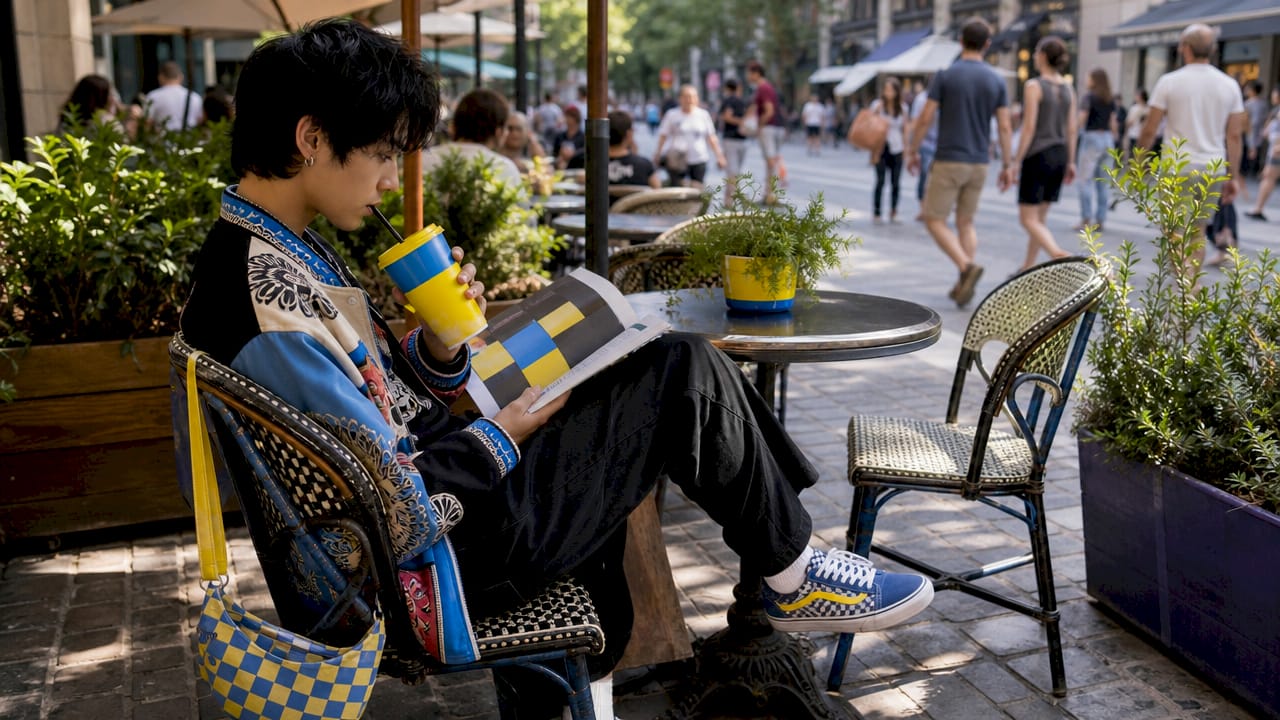
Merchandise that reflects community lore over pure marketing drives both uptake and belonging. The object becomes a semiotic bridge, connecting the wearer to a shared story rather than simply advertising a name.
How does merchandise create psychological belonging?
The psychological mechanism behind community merchandise is social identification. When people wear or carry objects that represent their group, they activate a sense of shared identity that produces measurable emotional benefits.
A 2026 study published in Frontiers in Psychology found that uniform aesthetics strengthen psychological capital through social identification processes, specifically linking visual group cues to hope, resilience, and optimism. That finding extends directly to community merchandise. When a piece of clothing visually connects you to a group you value, it does not just signal membership. It actively reinforces your sense of self and your belief in the group’s future.
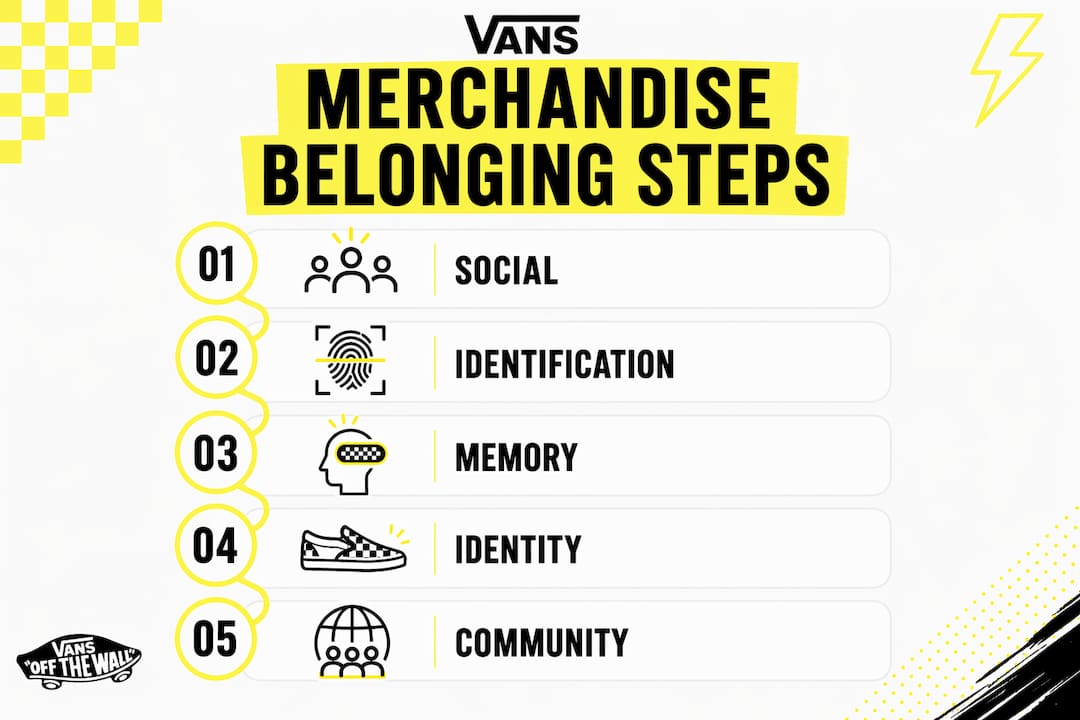
The same research clarifies a critical design principle: visual cues strengthen belonging only when they align with perceived shared group values. Superficial aesthetics alone do not produce psychological benefits. A shirt with a logo means little if the wearer does not feel the values behind that logo reflect their own. This is why merchandise tied to genuine community values, such as inclusivity, local pride, or shared struggle, produces stronger emotional responses than generic branded apparel.
A 2026 study of volleyball fans (n=384) produced equally clear findings:
Satisfaction with team merchandise increases how often fans use that merchandise.
Increased use of merchandise strengthens team identity.
Stronger team identity directly boosts fan loyalty and event attendance.
Each step in that chain reinforces the next. The merchandise is not a passive object. It is an active participant in a feedback loop that deepens community bonds over time.
“Merch tied to identity and participation loops drives use and reinforces community ties. It should be integrated with rituals, not isolated as giveaways.”
This is the core insight that most organizations miss. Merchandise handed out once at an event and never referenced again breaks the loop. Merchandise woven into ongoing rituals, worn at recurring gatherings, and connected to shared milestones keeps the loop running.
Can merchandise serve as a memory anchor for communities?
Merchandise creates durable memory anchors that extend community narratives well beyond the moments that inspired them. A concert T-shirt is not just fabric. It is a physical record of a shared night, a conversation starter, and a daily reminder of the people you experienced it with. That is merch as cultural glue, connecting people to what they love through objects that persist long after the event ends.
This function becomes especially powerful in communities facing social disruption. UNESCO’s Community Culture Programme engaged more than 2 million people across 701 municipalities, using cultural activities to restore social fabric and strengthen local identity. Physical cultural objects, including community merchandise, played a role in anchoring those shared experiences to something tangible and lasting.
Merchandise type | Memory function | Cultural impact |
Event T-shirts | Records shared participation | Keeps community narrative alive |
Neighborhood brand apparel | Signals local pride daily | Builds ongoing cultural visibility |
Collaborative limited drops | Marks a specific cultural moment | Creates collectible community artifacts |
Uniform or team gear | Reinforces group identity repeatedly | Strengthens loyalty and attendance |
The table above shows how different merchandise types serve different memory functions. Each type contributes to community culture development in a distinct way, but all share one quality: they make the invisible visible. Shared values, shared history, and shared pride become objects you can hold.
Pro Tip: Tie merchandise releases to specific community rituals or milestones rather than general brand awareness campaigns. A shirt released at a neighborhood anniversary celebration carries far more cultural weight than the same shirt sold in a general online store.
What makes community merchandise design effective?
Effective community merchandise design reflects the group’s actual values, not a brand manager’s interpretation of them. The gap between those two things is where most merchandise fails. When organizations design merch from the outside in, they produce objects that look like community merchandise but feel like corporate swag.
The most effective design practices include:
Embed cultural fluency: Use references, symbols, and language that the community already uses internally. A neighborhood’s nickname, a local landmark rendered as an illustration, or a phrase from a shared history all carry weight that a generic logo cannot.
Prioritize wearability over visibility: Belonging merch gets worn because it feels right, not because it is loud. Subtle design often outperforms bold branding in daily use.
Avoid logo-only merchandise: A shirt that is nothing but a logo is endorsement merch by default. Add context, story, or symbolism to move it into belonging territory.
Integrate merch into rituals: Merchandise released alongside a recurring event, a community gathering, or a shared milestone becomes part of the ritual itself. Isolated product drops rarely achieve the same cultural resonance.
Consider longevity: Quality materials and timeless design extend the life of a piece. A well-made item worn for years does more cultural work than a cheap item discarded after one season.
Meaningful merchandise design reflects social identity mechanisms and group psychology rather than simple branding logic. The best community merchandise feels like it was made by someone who is already inside the community, not someone studying it from the outside. You can see strong examples of this approach in brand identity merchandise that ties audience rituals directly to physical objects. The role of graphic design in merchandise is equally worth studying for anyone serious about getting this right.
Key Takeaways
Community merchandise builds culture by converting shared values into physical objects that activate social identification, reinforce belonging, and create lasting memory anchors within communities.
Point | Details |
Merchandise signals identity instantly | Belonging merch compresses cultural values into readable signs that create immediate group recognition. |
Social identification drives belonging | Merchandise aligned with group values activates hope, resilience, and loyalty through psychological identification. |
Memory anchors extend culture | Objects tied to shared moments keep community narratives alive long after events end. |
Design must reflect real values | Logo-only merch produces endorsement, not belonging. Cultural fluency and insider references are required. |
Ritual integration multiplies impact | Merchandise woven into recurring community events builds stronger bonds than isolated product releases. |
Merchandise is a mirror, not a megaphone
I have spent years watching organizations approach merchandise as a broadcast tool. They design something with their logo, produce it in bulk, and hand it out hoping it will spread awareness. It rarely builds culture. The objects that actually shape communities are the ones that reflect the community back to itself.
The most powerful piece of community merchandise I have ever seen was a simple black T-shirt from a small neighborhood arts collective. It had no logo. It had a hand-drawn map of six blocks in their city, with tiny illustrations of the businesses, murals, and gathering spots that mattered to the people who lived there. Outsiders thought it was decorative. Insiders knew exactly what every mark meant. That shirt did not advertise the collective. It proved you were part of it.
That is the distinction that most organizations miss. Merchandise becomes culture when it stops trying to convert people and starts trying to recognize them. The moment a piece of merch makes someone feel seen rather than sold to, it crosses from product into artifact. At Vainnewyork, we believe the role of merchandise in communities is not to promote. It is to witness. Design with that intention, and the cultural impact follows naturally. Commodification kills that effect immediately. The second a community object feels like it was made to sell rather than to belong, it loses its power.
— Neville
Vainnewyork merchandise built for culture, not just commerce
At Vainnewyork, we design merchandise that reflects real creative communities, not generic brand aesthetics. Every piece in our collection is built around the idea that clothing should say something true about the people who wear it.
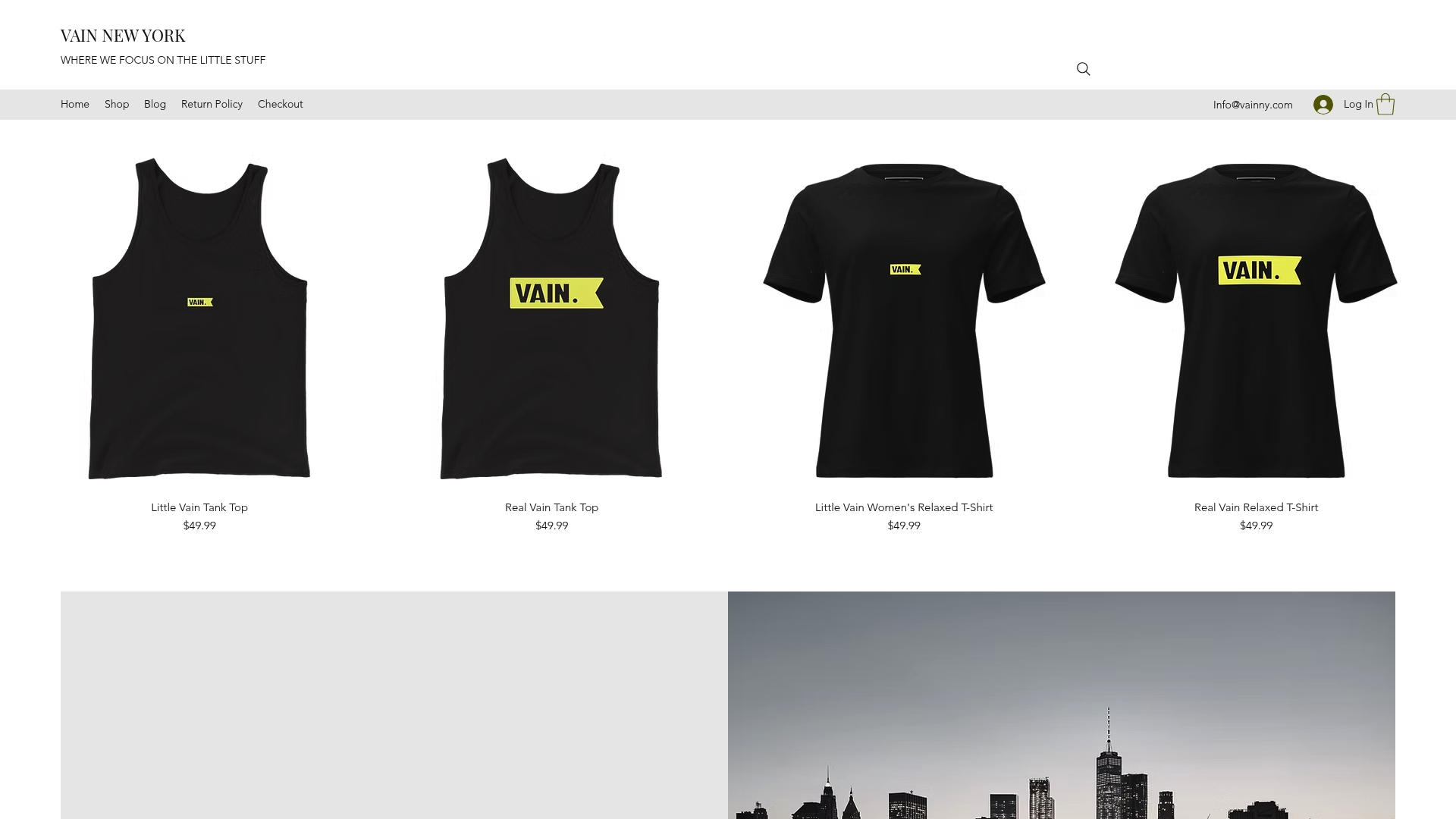
We approach each drop as a cultural artifact first and a product second. If you are looking for merchandise that carries genuine meaning and connects people to something larger than a logo, our shop is the place to start. Each piece reflects the values, aesthetics, and stories that define creative culture in New York and beyond. Wear what you actually believe in.
FAQ
What is community merchandise?
Community merchandise is any branded or symbolic object that represents a shared group identity, such as a neighborhood brand’s apparel, a sports team’s gear, or a local event’s T-shirt. Its primary function is to signal belonging and compress shared cultural values into a wearable form.
How does merchandise build community culture?
Merchandise builds culture by activating social identification, creating memory anchors tied to shared experiences, and giving communities a visible, daily symbol of their values. Research shows that merchandise satisfaction increases use, which strengthens group identity and loyalty over time.
What is the difference between belonging merch and endorsement merch?
Belonging merch is worn casually as a daily expression of identity, while endorsement merch is purchased out of obligation or trend and rarely used beyond the initial context. Belonging merch carries insider cultural references that create recognition within the community.
Why do design details matter in community merchandise?
Design details determine whether merchandise signals genuine group values or simply advertises a name. Visual cues strengthen belonging only when they align with the community’s actual shared values, making cultural fluency and local symbolism critical design requirements.
How should organizations integrate merchandise into community building?
Organizations should tie merchandise releases to recurring rituals, milestones, or shared events rather than standalone product launches. Merchandise woven into community participation loops reinforces identity and deepens bonds far more effectively than isolated giveaways.
Recommended
Comments