NYC Fashion District Advantages for Designers in 2026
- Vain.

- Jun 10
- 8 min read
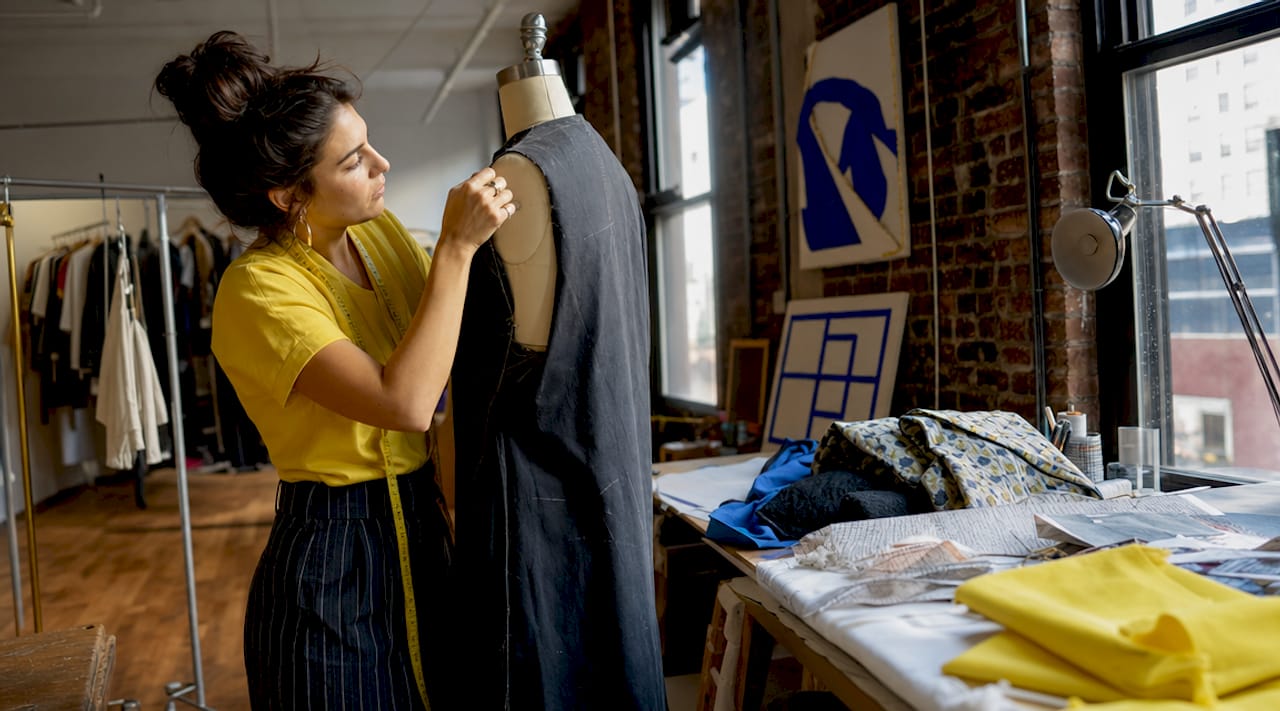
The NYC Fashion District, formally known as the Garment District, is the most concentrated fashion manufacturing and sourcing hub in the United States, occupying less than one square mile between 34th and 42nd Streets from Fifth to Ninth Avenue. For fashion entrepreneurs, the nyc fashion district advantages go far beyond geography. Patternmakers, cut-and-sew specialists, fabric suppliers, trim shops, and showrooms all operate within walking distance of each other, compressing production timelines and reducing costly miscommunication. Initiatives like the 2026 Local Production Fund from NYC EDC and CFDA add financial muscle to an already powerful ecosystem.
1. NYC fashion district advantages start with unmatched proximity
The Garment District’s defining strength is density. Every key production partner, from patternmakers and garment makers to trim suppliers and fabric wholesalers, sits within a few city blocks. That physical closeness changes how you work at a fundamental level.
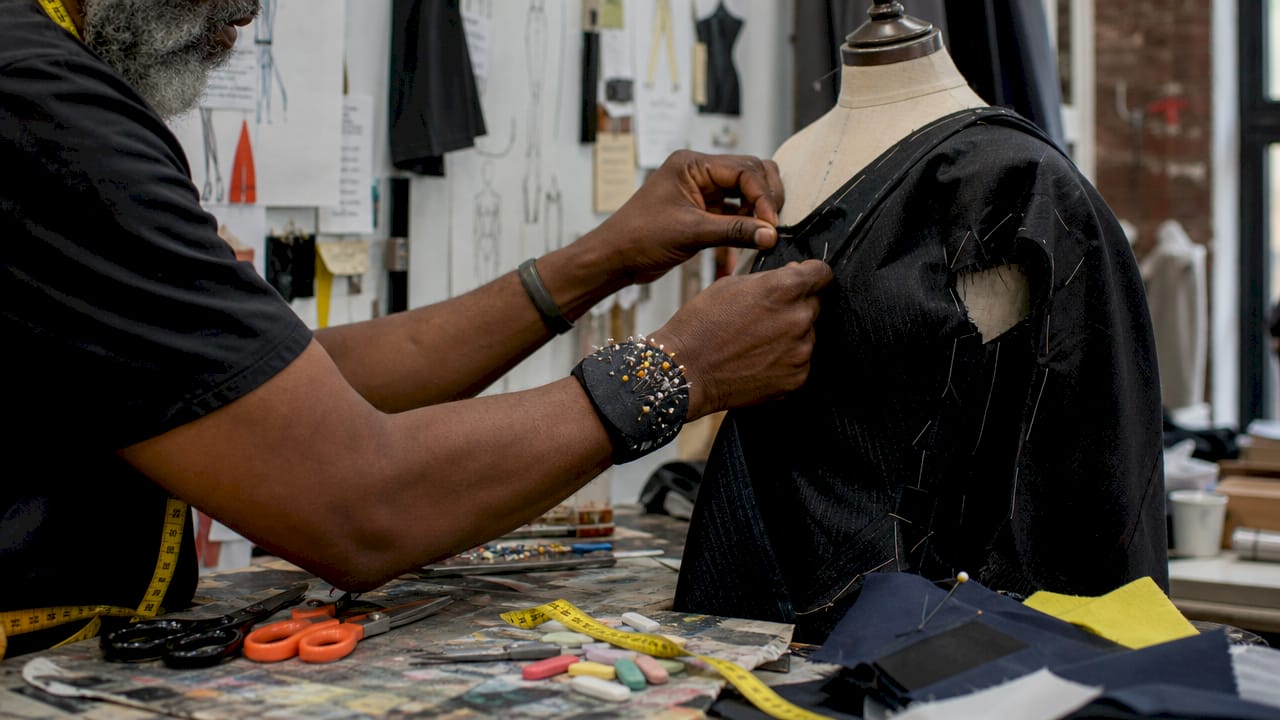
When your manufacturer is three floors up and your trim supplier is across the street, the conversation between design intent and execution stays clear. Overseas production introduces layers of email chains, time zone gaps, and translation errors. Here, you walk over, point at the problem, and fix it on the spot.
The benefits of this proximity include:
Rapid sample corrections without shipping delays or miscommunication
Same-day access to patternmakers, sewers, and finishers
In-person quality checks at every stage of production
Faster iteration cycles that let you test multiple colorways or silhouettes in one week
The sketch-to-sample speed achievable in the district is unmatched globally. Designers regularly complete samples within a single afternoon, a timeline no decentralized manufacturing model can replicate.
Pro Tip: When you need a sample corrected, bring a physical reference, a fabric swatch, a photo, or a marked-up sketch. In-person visits with clear visual references cut revision rounds in half.
2. the $1.7 million local production fund changes the math
Financial barriers are the most common reason emerging designers delay domestic production. The 2026 Local Production Fund from the NYC Economic Development Corporation and the Council of Fashion Designers of America addresses that directly. The fund provides $1.7 million in financial credits to designers committed to local garment production. That figure represents a serious institutional commitment to keeping manufacturing in New York.
Here is how to make the most of the available financial support:
Check CFDA eligibility requirements before applying. The fund prioritizes designers actively producing within the Garment District ecosystem.
Document your local production relationships. Manufacturers, patternmakers, and suppliers you already work with strengthen your application.
Apply early in the production cycle. Credits are designed to offset costs at the sampling and small-batch stage, not after full production runs.
Connect with NYC EDC’s fashion industry liaisons. They provide guidance on combining fund credits with other city-backed programs.
The fund reflects a broader truth: local government and fashion alliances like CFDA recognize that domestic production is infrastructure, not just preference. Supporting it financially keeps the entire ecosystem viable for the next generation of designers.
Pro Tip: Attend CFDA-hosted events and open office hours to build direct relationships with program administrators. Personal connections accelerate application reviews and open doors to additional resources.
3. short-term showroom rentals give you professional market presence
One of the most underused benefits of NYC fashion district access is the availability of flexible showroom spaces. Bookable showroom spaces in the district are designed specifically for industry-facing appointments, wholesale presentations, and fashion week buyer meetings. You can rent for a day, a week, or a full season without committing to a traditional commercial lease.
Feature | Short-Term Showroom Rental | Traditional Commercial Lease |
Commitment length | Days to months | 1–5 years minimum |
Upfront cost | Low, pay-as-you-go | High deposit and buildout costs |
Flexibility | Book around market weeks | Fixed regardless of activity |
Industry positioning | Buyer-ready, professional | Requires additional setup |
The distinction matters for emerging designers. A professional showroom signals credibility to wholesale buyers and press contacts in a way that a studio or pop-up cannot. Buyers expect a polished environment for appointments, and the district delivers that without the overhead of a permanent space.
Key use cases for short-term showrooms include:
New York Fashion Week presentations for press and buyers
Wholesale market appointments with department store buyers
Private collection previews for retail partners and stylists
Streets like 39th Street concentrate the highest density of showroom activity in the district. Positioning your presentation there places you in the natural flow of buyer foot traffic during market weeks.
Pro Tip: Book showroom space at least six weeks before New York Fashion Week. Prime dates and locations fill quickly, and last-minute bookings often mean less desirable floors or layouts.
4. sourcing diversity covers every budget and project scale
Fashion district shopping in NYC offers a sourcing range that no trade show or online marketplace can replicate. Within a few blocks, you find fabric stores carrying silks, cottons, wools, lace, sequins, bridal fabrics, and specialty synthetics. Trim and notion shops stock buttons, zippers, ribbons, elastic, interfacing, and hardware in quantities from one yard to full bolt.
The variety of materials available in the district serves designers at every stage, from a student sourcing for a thesis collection to an established brand building a 500-unit run. Many vendors offer wholesale pricing to trade buyers while remaining accessible to smaller accounts.
Material Category | What You Find | Best For |
Silks and satins | Charmeuse, dupioni, crepe de chine | Eveningwear, bridal |
Wools and tweeds | Melton, bouclé, flannel | Outerwear, tailoring |
Specialty fabrics | Sequin mesh, lace, stretch velvet | Statement pieces, runway |
Trims and notions | Buttons, zippers, ribbons, hardware | Finishing and detailing |
Small-batch and sampling production options are another major advantage. Many district manufacturers deliberately run below full capacity to support emerging designers with low minimum order quantities. Overseas factories typically require 300 to 500 units per style. Local manufacturers often work with runs as small as 12 to 24 pieces, letting you test market response before committing to scale.
5. the district’s evolving neighborhood strengthens your network
The Garment District is not static. Rezoning efforts like the Midtown South Mixed-Use plan are reshaping the neighborhood into a mixed residential and commercial community. That shift creates a more active, 24/7 environment that benefits designers through increased foot traffic, more dining and meeting options, and a stronger sense of creative community.
The revitalization of the district also attracts new businesses, studios, and creative agencies to the area. That concentration of creative energy produces organic networking opportunities that structured events cannot manufacture. You run into a photographer, a stylist, or a production manager in the elevator and a collaboration begins.
Local events organized by district alliances and industry groups add another layer of connection. Trunk shows, open studio days, and sourcing fairs bring buyers, press, and fellow designers into the same space. These touchpoints build the referral networks that actually move careers forward.
Pro Tip: Walk 39th Street and the surrounding blocks during business hours at least once a month. Many top vendors do not maintain strong online presences and are only discoverable through physical visits and word-of-mouth referrals.
6. domestic production as a brand differentiator
Made in New York is a marketing statement with real weight. Consumers and wholesale buyers increasingly scrutinize supply chain transparency, and domestic production provides a clear, verifiable answer to where and how a garment was made. That story is worth telling across every channel, from your apparel product photography to your wholesale pitch deck.
Domestic production also supports brand differentiation in a market crowded with offshore-produced goods. When your collection is made blocks away from where it is sold, that proximity becomes part of the brand identity. Buyers at independent boutiques and department stores respond to that narrative because their own customers ask for it.
The operational benefits reinforce the marketing ones. Faster production cycles mean you can respond to trend shifts mid-season. Lower minimum order quantities mean you can test new styles without overcommitting inventory. Both advantages compound over time, building a more agile and financially sound business.
Key takeaways
The NYC Fashion District’s greatest competitive advantage is its density: proximity to manufacturers, suppliers, and showrooms compresses timelines, reduces errors, and builds the networks that grow fashion businesses.
Point | Details |
Proximity drives speed | Sketch-to-sample production in one afternoon is achievable only in a tightly clustered district. |
Financial support exists | The $1.7 million Local Production Fund from NYC EDC and CFDA directly offsets domestic production costs. |
Showrooms flex with your calendar | Short-term rentals on streets like 39th Street give you buyer-ready space without long-term lease risk. |
Sourcing range is unmatched | From silks to sequins, the district covers every material category with wholesale access and low minimums. |
The neighborhood is growing | Midtown South rezoning is building a more vibrant, 24/7 community that strengthens creative networking. |
Why the district rewards the designers who show up
I have watched designers try to replicate the Garment District experience remotely, sourcing fabrics online, emailing manufacturers overseas, booking showrooms in other cities. The results are always slower, more expensive, and more frustrating than they expected. The district’s advantages are not abstract. They are physical, relational, and immediate.
The speed-to-market benefit alone changes how you think about your creative process. When a sample can be corrected and remade in an afternoon, you stop treating each iteration as a precious, costly event. You experiment more. You catch problems earlier. You arrive at market with a cleaner collection.
The financial and showroom resources available in 2026 are genuinely better than they were five years ago. The Local Production Fund is a meaningful signal that the city is investing in this ecosystem, not just preserving it. Flexible showroom rentals have made professional buyer presentations accessible to designers at every revenue level.
My honest advice: treat the district as a community, not just a supply chain. Walk the streets. Attend the events. Build relationships with your patternmaker, your trim supplier, and the showroom manager on your floor. The referrals and collaborations that come from those relationships are worth more than any single production run.
— Neville
Explore what Vainnewyork creates in new york’s fashion world
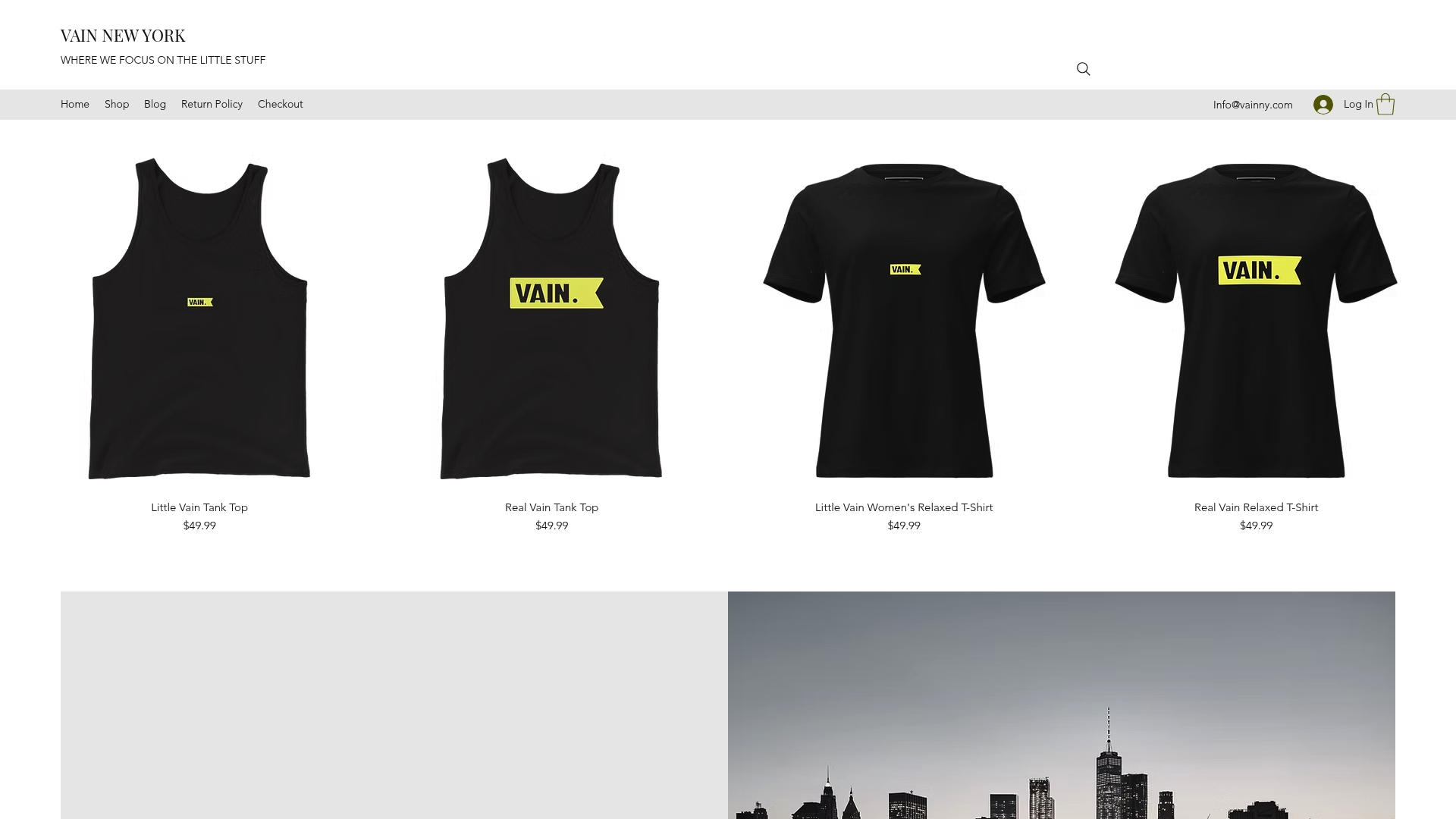
Vainnewyork operates at the intersection of creative media, brand development, and fashion culture in New York City. We understand the energy and craft that go into building a fashion brand from the ground up, because we work alongside the designers, photographers, and storytellers who do it every day. Whether you are sourcing your first collection or preparing for a wholesale presentation, the right creative support makes every step sharper. Browse the Vainnewyork shop to see how we translate New York’s fashion energy into products and creative work that reflect the city’s standard of craft. The Little Vain Auburn One-Piece is one example of what happens when design intention meets New York-level execution.
FAQ
What makes the NYC garment district unique for designers?
The Garment District occupies less than one square mile and places patternmakers, manufacturers, fabric suppliers, and showrooms within walking distance of each other. That density creates a production speed and collaborative access no other city in the world currently matches.
How do i access the 2026 local production fund?
The fund is administered by NYC EDC in partnership with CFDA and provides $1.7 million in financial credits to designers producing locally. Check CFDA’s website for current eligibility requirements and application windows.
Are showroom rentals in the district open to emerging designers?
Short-term showroom spaces are available to designers at all career stages, with booking options ranging from a single day to a full season. Platforms like Storefront list available spaces in the Garment District specifically suited for wholesale presentations and buyer appointments.
What types of fabrics can i source in the fashion district?
The district carries silks, cottons, wools, lace, sequins, bridal fabrics, stretch textiles, and a full range of trims and notions. Many vendors offer wholesale pricing and work with small-batch orders, making them accessible for sampling and limited production runs.
Why do top vendors in the district lack strong online presences?
Many of the best suppliers in the Garment District built their businesses on local reputation and direct referrals rather than digital marketing. Walking key streets like 39th Street and asking for recommendations from other designers remains the most reliable way to find them.
Recommended
Comments