Lead Generation for Marketers: A Practical Playbook


Lead generation is the process of turning anonymous interest into a contactable prospect your sales team can actually work with. The first move is not building a funnel or buying software. It’s picking one high-intent channel, one clear offer, and one narrow ideal customer profile (ICP), then testing that combination before you spend another dollar on anything broader.
Every lead generation program, no matter the industry, runs through the same five stages:
Traffic: a channel brings the right person to your door (organic search, a LinkedIn post, a paid ad).
Capture: that person trades contact information for something of value.
Qualify: you score and sort the lead by fit and intent.
Nurture: automated or human follow-up builds trust until they’re ready to buy.
Convert: sales closes the deal, or the purchase happens on-site.
Pro Tip: Before you touch a single tool, write your ICP in one sentence: “We sell to [role] at [company type] who struggles with [problem].” If you can’t finish that sentence, no amount of ad spend will fix your lead quality.
Key Takeaways
Lead generation succeeds when a defined ICP, one clear offer, disciplined fit-times-intent scoring, and fast, context-rich sales handoffs work together as a single system.
Point | Details |
Start narrow | Define one ICP and one high-intent channel before testing anything broader. |
Score fit times intent | Combine profile match with behavioral signals to route hot leads within an hour. |
Time your capture surfaces | Delay popups and use page-level targeting; second-page triggers convert notably better than first-page prompts. |
Automate the nurture, not just the reminder | Use interest-aligned sequences to keep undecided prospects engaged until intent rises. |
Pair strategy with production | Vainnewyork builds the creative assets, video, interactive tools, campaign content, that make offers worth converting on. |
Table of Contents
What Counts as a Lead, and Why Lead Generation Matters?
A lead is anyone who has given you a way to reach them again, usually an email address, phone number, or verified account, and has shown some signal of interest in what you sell. Not every lead is equal, and treating them as if they are is the single most common reason marketing and sales teams end up blaming each other.
Marketers typically sort leads into three buckets. A cold lead has minimal signal, maybe they downloaded a generic report. A warm lead has engaged more than once, opened emails, visited pricing pages, attended a webinar. A hot lead is actively evaluating, requesting a demo, or asking about pricing directly. Layered on top of this temperature scale are two standard classifications: the Marketing Qualified Lead (MQL), someone who fits your target profile and has engaged enough to warrant marketing’s continued attention, and the Sales Qualified Lead (SQL), someone marketing and sales agree is ready for a direct sales conversation.
This matters because lead generation isn’t a vanity exercise in traffic volume. It’s the mechanism that builds a predictable revenue pipeline. Wikipedia’s own overview of the field notes that lead generation includes capturing contact details, scoring those contacts, and connecting marketing output directly to the sales pipeline, and that regulatory bodies like the Consumer Financial Protection Bureau have weighed in on how comparison-shopping and lead-selling practices affect consumers. That regulatory attention alone tells you lead generation is treated as a serious commercial function, not a marketing side project.
A lead generation system that can’t tell the difference between a cold download and a hot demo request isn’t a system. It’s a spreadsheet with extra steps.
Where does lead generation sit relative to your CRM? Think of it as the intake valve. Your CRM (Salesforce Sales Cloud, HubSpot, or similar) is the storage and workflow engine; lead generation is everything upstream that decides what flows into it and how clean that data is when it arrives.
How Does Lead Generation Work From Traffic to Conversion?
The mechanics are consistent whether you’re running a B2B software campaign or a direct-to-consumer merchandise push. Coursera’s breakdown of the process frames it as discovery through a channel, response to a clear call-to-action, capture through a gated offer, and a nurture sequence that guides the prospect toward purchase, all built on top of a clearly defined ICP established before you test any tactics.
Attract. A channel, organic search, a LinkedIn post, a paid campaign, an event, brings a qualified visitor to a landing page or profile.
Capture. The visitor exchanges contact information for a lead magnet, demo request, or newsletter signup, using a form, chatbot, or embedded widget.
Qualify. Marketing automation or a sales development rep (SDR) scores the lead against fit and intent criteria.
Nurture. Email sequences, retargeting ads, and content drips keep the lead engaged until they show buying signals.
Convert. Sales takes over for high-intent leads, or the lead completes a self-serve purchase.
Ownership matters more than most teams admit. Marketing typically owns attract, capture, and early nurture. Sales owns qualification confirmation and the final convert stage. The handoff between them needs a service-level agreement (SLA), and speed matters enormously here: research on B2B lead engines consistently shows that treating lead generation as one continuous engine, sourcing, enriching, scoring, routing, and refreshing leads, outperforms siloing inbound and outbound into separate motions.
Cost drivers break down into four buckets: paid media spend, content production (video, copy, design), software licensing (CRM, automation, enrichment tools), and headcount (SDRs, marketing ops, campaign managers). A lean small-business team might run the entire loop on a single automation platform and one paid channel. An enterprise team might layer five tools and a dedicated ops function on top of the same five stages.
Should You Use Inbound or Outbound Lead Generation?
The honest answer is both, matched to where your buyer already is. Inbound and outbound aren’t competing philosophies. They’re different entry points into the same pipeline.
Inbound channels pull prospects toward you because they’re already searching or browsing.
SEO and content marketing work best for buyers early in a research cycle who are Googling their problem before they know your product exists.
Email is strongest with an existing list. It’s low-cost per send and excellent for nurture, weaker for cold acquisition.
Organic social builds trust over months, not days. It rewards consistency more than any single viral post.
Webinars convert well for complex or high-consideration purchases where buyers need to see the product in action before committing.
Outbound channels push your message toward a specific, chosen audience.
Account-based outreach works when you have a short list of high-fit target accounts and a clear buying signal to act on.
Targeted ads (Google Search, Meta, LinkedIn, TikTok) work when you can define audience parameters precisely enough to avoid wasted spend.
SDR outreach, cold email and calls, still works for B2B when it’s paired with real intent data rather than a generic contact list.
A focused list of high-fit accounts with live buying signals outperforms a large generic list every time. Targeting and signal-based sourcing are the real multiplier behind outbound return on investment.
That principle, backed by the Clay playbook on B2B lead generation, explains why so many outbound programs fail: teams buy volume when they should be buying precision.
Channel fit also depends on buyer stage and budget shape. LinkedIn tends to deliver higher cost-per-lead but stronger B2B fit. Google Search captures existing demand efficiently but does nothing to create new demand. Meta and TikTok excel at top-of-funnel awareness and visual storytelling but need a longer nurture runway before they produce a sales-ready lead. Events, whether virtual or in-person, generate fewer but often higher-intent leads because attendance itself is a signal. Our guide on event marketing strategy covers how to structure these for maximum lead capture.
What Lead Magnets and Capture Tactics Actually Convert?
The offer determines whether a visitor becomes a lead, and generic offers produce generic results. Strong lead magnets solve one specific, immediate problem: interactive tools (calculators, assessments), checklists, templates, free trials, and live demos consistently outperform vague “download our guide” offers because they deliver value the reader can use in minutes.
Where you place the capture form matters as much as what you’re offering. Common surfaces include:
Exit-intent and timed popups on high-traffic blog pages.
Embedded forms within gated content or resource pages.
Chatbots on pricing or product pages, where visitors have high intent but specific questions.
Standalone landing pages built for a single campaign or ad set.
Interactive quizzes that segment visitors while collecting contact data.
Match the surface to the page’s intent. A visitor reading a blog post is in research mode; a visitor on your pricing page is in decision mode. A chatbot fits the second scenario far better than the first.
Form design has an outsized effect on conversion rate. Keep fields minimal on the first ask, name and email are often enough, and use progressive profiling to collect more detail on return visits. Conditional logic (showing different follow-up questions based on an earlier answer) keeps the form feeling relevant instead of like an interrogation.

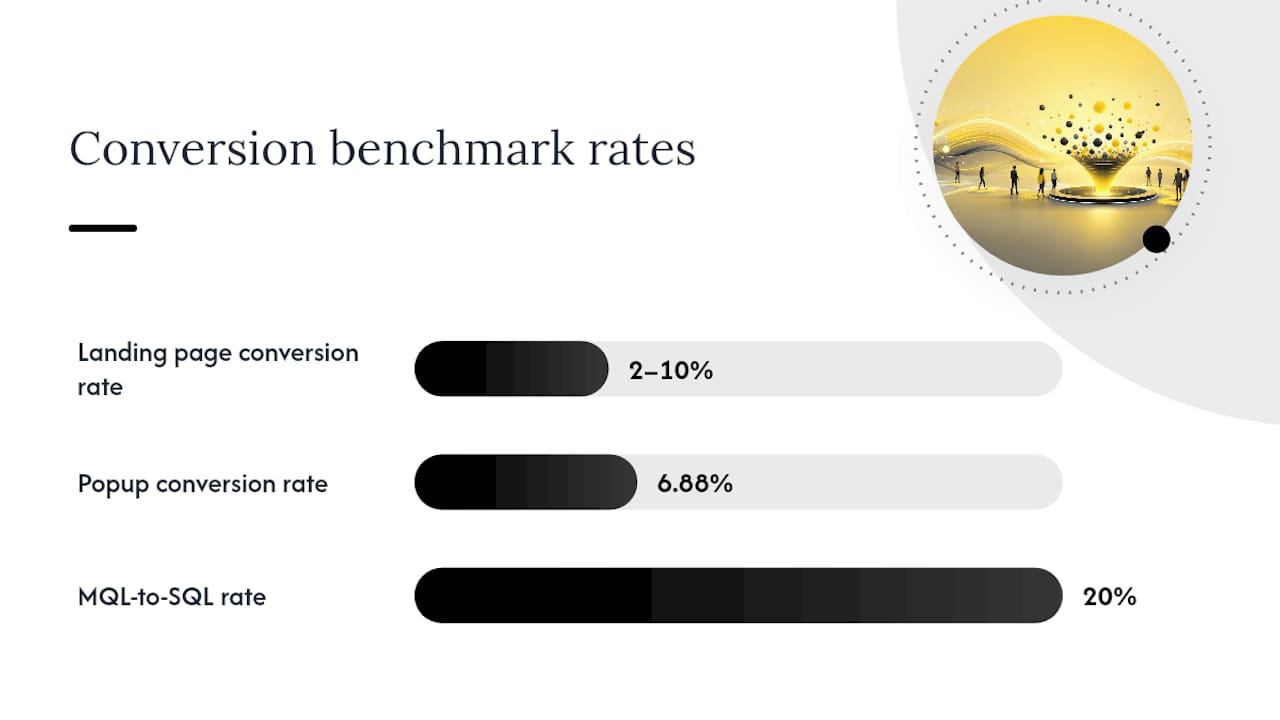
Timing rules matter more than most marketers assume. Research on onsite capture formats found that popups converted at an average of 6.88% across ecommerce sites, but delaying the popup by 11 to 15 seconds raised conversion from roughly 4.16% to 6.45%, and triggering on a second page view converted at nearly 9.84% versus 7.87% on the first page. The lesson is straightforward: a popup that interrupts someone the instant they land converts worse than one that waits until they’ve shown real interest.
Pro Tip: Run your capture forms through a “thumb test.” If you can’t fill it out one-handed on a phone in under 20 seconds, it’s too long. Cut fields until it passes.
How Should You Qualify and Score Leads?
Scoring exists to answer one question fast: does this lead deserve a phone call today, or a nurture email next week? The most reliable models score on two axes multiplied together, fit and intent, rather than either alone.
Fit measures how closely the lead matches your ICP: job title, company size, industry, budget range. Intent measures behavior: pages visited, emails opened, demo requests, time spent on pricing pages. A lead can score high on fit but low on intent (a perfect-profile prospect who’s just browsing) or high on intent but low on fit (an enthusiastic visitor who will never buy). Multiplying the two, rather than adding them, prevents either extreme from producing a false positive.
A simple numeric model might look like this:
A lead scoring 70 or higher routes directly to a sales rep within a defined SLA, often one hour for inbound demo requests. A lead scoring 30 to 69 enters an active nurture track. Anything below 30 goes into a long-term drip campaign or gets deprioritized entirely.
Set your initial scoring thresholds based on your best historical customers, not guesswork.
Route hot leads to sales immediately, with a documented response-time SLA your team actually honors.
Send warm leads into segmented nurture sequences matched to their stated interest.
Review closed-won and closed-lost deals quarterly to see which signals actually predicted revenue.
Adjust point values based on that feedback loop. Signals that didn’t predict a sale should carry less weight next quarter.
This audit cycle is the piece most teams skip. A scoring model built once and never revisited drifts out of sync with reality within two or three sales cycles.
How Do You Nurture Leads Until They’re Ready to Buy?
Capturing a lead is the easy part. Salesforce’s research on nurture programs makes the point plainly: top-performing teams treat automated lead nurturing, sending interest-aligned content to undecided prospects, as the mechanism that keeps a brand top-of-mind until purchase intent actually rises. Without that mechanism, most captured leads simply go cold.
A practical cadence maps to three buying stages:
Awareness (days 1 to 7): educational content, a welcome email, a relevant blog post, a short explainer video. No sales pitch yet.
Consideration (days 8 to 21): comparison content, case studies, a webinar invite, content that addresses specific objections.
Decision (days 22 to 30+): a direct offer, a demo invitation, a limited-time incentive, or direct outreach from sales if intent signals spike.
Personalization inside these sequences comes from behavioral triggers, not just first-name merge fields. If a lead visits your pricing page twice in one week, that should trigger an earlier move into the decision-stage sequence, regardless of where they sit on the calendar timeline.
Segment nurture tracks by declared interest (which lead magnet they downloaded) and inferred interest (which pages they revisit).
Use dynamic content blocks so the same email template can surface different case studies to different segments.
Trigger a sales alert the moment a nurtured lead crosses back into hot-lead scoring territory.
The handoff to sales needs context, not just a name and email. A rep who receives a lead with full activity history, pages viewed, emails opened, lead score, and a suggested next step converts at a meaningfully higher rate than one working from a bare contact record.
What Metrics Actually Prove Lead Generation Is Working?
Total leads captured is the least useful number on your dashboard. It tells you nothing about whether those leads turn into revenue. The metrics that matter split into two categories: quality and velocity.
Quality metrics include conversion rate (visitors to leads), MQL-to-SQL rate (how many marketing-qualified leads survive sales qualification), and lead-to-opportunity rate. Velocity metrics include speed-to-lead (how fast a rep follows up after capture) and pipeline velocity (how quickly a lead moves through each stage). The Sender makes this distinction explicit: measurement should focus on these quality and velocity signals, not raw totals that look impressive in a monthly report but say nothing about revenue.
Cost per lead (CPL) is simple to calculate: total campaign spend divided by leads generated. A $5,000 campaign that generates 250 leads has a $20 CPL. But CPL alone is misleading without a quality filter. Ten leads at $50 CPL that convert to customers beat a hundred leads at $10 CPL that never convert.
Metric | What it tells you | Rough benchmark range |
Landing page conversion rate | How well your offer and page match visitor intent | 2% to 10%, offer-dependent |
Popup conversion rate | Effectiveness of onsite capture prompts | Averaged 6.88% in ecommerce testing |
MQL to SQL rate | How well marketing and sales agree on lead quality | 20% in most B2B programs |
Speed-to-lead | How fast a hot lead gets a human response | Under 5 minutes is the gold standard |
Attribution gets messy when multiple channels touch the same lead before conversion. Rather than chasing perfect multi-touch attribution modeling, most teams get more value from a simple dashboard that flags underperforming capture points, pages with high traffic but low form completion, or channels with high CPL but low downstream conversion.
Which Tools Should Marketers Evaluate for Lead Generation?
The vendor landscape breaks into functional categories, and most teams need at least one tool from each rather than a single all-in-one platform that does everything adequately and nothing well.
CRM and pipeline management: Salesforce Sales Cloud remains the enterprise standard for complex sales pipelines with heavy customization needs; HubSpot pairs CRM functionality with marketing automation in one system, making it a strong fit for small and mid-size teams that want fewer platforms to manage.
Marketing automation: HubSpot again covers this well, alongside dedicated automation platforms for email sequencing, lead scoring, and nurture workflows.
Paid acquisition channels: Google Ads captures existing search demand; Meta Ads (Facebook and Instagram) targets by interest and behavior for awareness and mid-funnel capture; TikTok ads work best for short-form, visually driven offers aimed at younger or highly engaged social audiences; LinkedIn remains the strongest paid and organic channel specifically for B2B targeting by job title, company, and industry.
Landing pages and testing: Adobe’s experience platforms support enterprise-grade landing page design and personalization at scale; Optimizely specializes in A/B testing and experimentation, letting teams test headlines, form length, and page layout systematically rather than by guesswork.
Integration and workflow automation: Zapier connects tools that don’t natively talk to each other, automatically pushing a new lead from a landing page into your CRM and triggering a Slack alert to sales, without custom development work.
Build a continuous engine that sources, enriches, scores, routes, and refreshes leads. Treating inbound and outbound as separate systems is the single biggest structural mistake in modern lead generation.
Choosing among these comes down to three questions: How fast do you need to see value? What does this tool need to integrate with (your CRM, your analytics stack, your ad accounts)? And does the pricing shape match your volume, per-seat, per-contact, or flat enterprise licensing all behave differently as you scale.
How Do You Design and Launch a Lead Generation Campaign?
A campaign checklist keeps a launch from becoming a scramble. Before you write a single ad, confirm you have: a defined ICP, a specific offer, a chosen capture surface, a scoring model, a nurture sequence ready to trigger, KPIs set in advance, tracking implemented, and a test plan for at least one variable.
Here’s a 90-day sample timeline that assumes a small marketing team running one primary channel and one offer:
Weeks 1 to 2: Finalize ICP, build the offer (ebook, tool, or webinar), draft the landing page and form.
Weeks 3 to 4: Set up tracking, connect the CRM, build the initial nurture sequence, define lead scoring thresholds.
Weeks 5 to 6: Launch the campaign on one channel. Keep budget modest until you have baseline data.
Weeks 7 to 8: Review early conversion data. Test one variable, headline, form length, or popup timing, not five at once.
Weeks 9 to 10: Scale spend on whichever variant is winning. Begin a second channel test if budget allows.
Weeks 11 to 12: Full performance review against your original KPIs. Decide what continues, what gets cut, and what needs a redesign.
Content, ads, analytics, and sales all need a shared view of the campaign’s goals before launch, not after week six when numbers start disappointing someone.
Document who owns each stage of the handoff so a lead never sits untouched because two teams each assumed the other was responsible.
Build in a standing weekly check-in during the first month. Campaigns drift fast without it.
How Do You Vet a Lead Generation Vendor or Agency?
Outsourcing lead generation can work well, but the market is full of vendors selling volume instead of pipeline. Ask any prospective partner for named case studies with real numbers, not just logos on a slide. Ask specifically how their leads are sourced, and insist on a plain answer rather than a vague reference to “proprietary data.”
Questions worth asking directly:
Can you show a case study with before-and-after conversion or pipeline numbers, not just lead counts?
How do your systems integrate with our existing CRM and marketing automation stack?
What’s your data ownership policy? Do we keep the leads and the underlying data if we end the contract?
What service-level agreement do you offer around lead delivery timing and quality?
What does your test plan look like before scaling spend?
The vendors worth hiring can explain exactly where their leads come from and what happens to that data. The ones worth avoiding change the subject when you ask.
Red flags show up quickly in these conversations. A vendor fixated on total lead volume rather than lead-to-opportunity rate is optimizing for a number that makes them look good, not one that grows your revenue. Opaque sourcing, an unwillingness to explain where contacts come from, often signals purchased lists rather than genuinely captured interest. And any vendor with no test plan before committing your full budget hasn’t done this enough times to know it matters.
One brief compliance note belongs here: any vendor or in-house program collecting personal data needs a documented consent process and a clear understanding of how data flows between systems, particularly if you operate under frameworks like GDPR for any international contacts. Confirm this in writing before signing anything.
How Do You Segment Leads for More Targeted Marketing?
Segmentation is what turns a single generic nurture sequence into five sequences that each feel personally relevant. The most useful segments combine firmographic data (industry, company size, role) with behavioral data (which content they engaged with, which pages they revisited).
A software company selling to both small businesses and enterprise accounts, for example, should never send identical nurture content to both segments. The small-business lead cares about price and speed to value. The enterprise lead cares about security, integration depth, and support SLAs. Sending the wrong message to either group reads as tone-deaf and quietly kills trust before a sales conversation even starts.
Practical segmentation axes worth building into your CRM: industry vertical, company size band, stated pain point (often captured at the form stage through a dropdown question), and engagement level (cold, warm, hot). Layering these lets you route a manufacturing-sector, enterprise-size, high-engagement lead into a completely different sequence than a startup-size, low-engagement lead who downloaded the same initial asset.
How Do You Integrate Lead Generation With Your CRM?
A lead generation program that doesn’t feed directly into your CRM is just generating noise. The integration needs to happen at the point of capture, not as a manual weekly export, because delay is where leads go cold and data gets lost.
Most modern capture tools (landing page builders, chat widgets, form plugins) connect natively to platforms like HubSpot or Salesforce Sales Cloud. Where a native integration doesn’t exist, Zapier fills the gap, automatically pushing new form submissions into your CRM, tagging them with source data, and triggering the appropriate nurture sequence or sales alert without manual entry.
The data that transfers matters as much as the transfer itself. A lead record arriving in your CRM should carry source channel, the specific offer they responded to, their initial score, and a timestamp. Without this context, sales reps waste the first call asking questions your marketing system already answered.
What Content Marketing Strategies Actually Generate Leads?
Content marketing generates leads when it’s built around a specific gap in the buyer’s research process, not around what’s easy for your team to produce. Blog posts optimized for search terms your ICP is actually typing into Google form the foundation, but the content that converts best usually sits one layer deeper: comparison guides, calculators, and detailed how-to resources that address a decision point rather than a general topic.
Gating strategy matters here too. Top-of-funnel blog content should stay ungated to maximize search visibility and organic reach; the content marketing strategy guide covers how to structure this balance. Save gating for genuinely high-value assets, in-depth reports, templates, or tools, where the trade of an email address for access feels fair to the reader rather than transactional friction on a free blog post.
Video content deserves particular attention as a lead generation format, since it captures attention faster than text and works across nearly every channel from LinkedIn to landing pages. Our content creation guide breaks down formats that perform well across different funnel stages. Whatever the format, the throughline that separates content that generates leads from content that just generates traffic is specificity: a piece written for “marketers” generates far less qualified interest than one written for “B2B SaaS marketing directors evaluating their first lead scoring model.”
Why Creative Content and Clear Process Both Matter
The two halves of lead generation, creative output and structured process, tend to get treated as separate disciplines. Marketing teams either lean heavily into content and campaigns without disciplined scoring and routing, or they build meticulous scoring models around forgettable offers nobody wants to download. Neither approach produces consistent pipeline on its own.
The offers that actually move the needle, an interactive assessment, a short video series that walks through a real workflow, a live webinar with genuine production value, share one trait: they respect the audience’s time enough to be worth the trade of contact information. A generic PDF checklist competes with a thousand other generic PDF checklists sitting unopened in inboxes. A well-produced video walkthrough or an interactive tool that gives someone a real answer about their own situation stands out precisely because most teams don’t invest the production effort to make it.
Process without craft produces leads nobody wants to talk to. Craft without process produces engagement that never turns into pipeline. The programs that actually compound over time treat the creative brief and the scoring model as one conversation from day one, not two separate workstreams that meet for the first time at launch.
How Vain. Supports Creative-Led Lead Generation
Most lead generation advice assumes you already have production capacity for the offers, videos, interactive tools, and campaign assets, that actually convert. If your team is stretched thin between running the strategy and producing the creative work behind it, that gap is usually where campaigns stall.
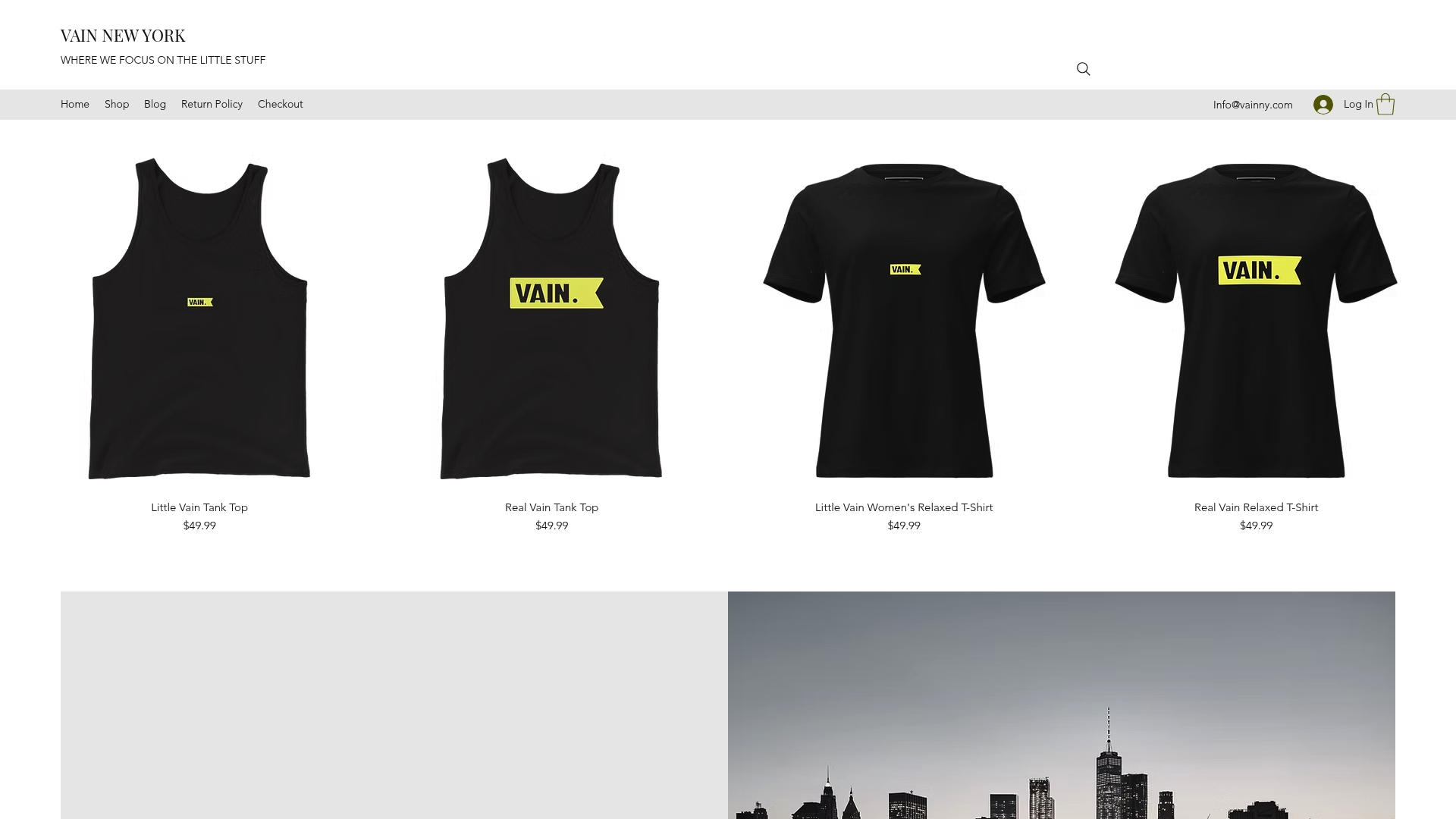
Vainnewyork works as a creative consultancy and production partner for brands, artists, and organizations that need lead generation campaigns built around genuinely well-made content rather than another generic PDF download. That includes video production for webinars and short-form social campaigns, brand development for offer positioning, and audience growth strategy tied directly to the capture and nurture stages covered throughout this guide. Clients can expect scoped deliverables, from a single campaign asset to a full creative-led lead generation launch, built around measurable outcomes rather than vague “brand awareness” promises. If you’re planning a campaign and need the creative execution to match the strategy, start a conversation with Vainnewyork about your project to see what a creative-led approach could look like for your next launch.
Frequently Asked Questions
What is lead generation in simple terms? Lead generation is the process of attracting people to your brand and collecting their contact information so your sales or marketing team can follow up and eventually convert them into customers.
What’s the difference between an MQL and an SQL? An MQL (marketing qualified lead) fits your target profile and has shown enough engagement to warrant continued marketing attention. An SQL (sales qualified lead) has been vetted further and is considered ready for a direct sales conversation.
What are the best lead generation tools for small businesses? Small teams often start with HubSpot for combined CRM and automation, Google Ads or Meta Ads for paid acquisition, and Zapier to connect capture tools to the CRM without custom development.
How long should a lead nurture sequence run? Most effective sequences span 30 days across awareness, consideration, and decision stages, though complex B2B sales cycles often extend nurture over several months with lower-frequency touches.
How do you measure lead generation ROI? Calculate cost per lead by dividing campaign spend by leads generated, then track that figure against downstream quality metrics like MQL-to-SQL rate and lead-to-opportunity rate rather than relying on lead volume alone.
Sources
For teams ready to build out a full lead generation program, a handful of resources are worth bookmarking beyond this guide. Wikipedia’s lead generation overview offers a solid grounding in definitions and regulatory context. The Clay B2B lead generation playbook goes deep on the fit-times-intent engine model for outbound-heavy teams. For onsite capture optimization specifically, the Wisepops lead capture research has the most detailed timing and format data available on popup and form performance.
Treat these as living references, not one-time reads. The channels and benchmarks in lead generation shift often enough that revisiting your sources quarterly is worth the hour it takes.
Recommended
Comments