30 Day Influencer Whitelisting Pilot for Marketers


Influencer whitelisting lets a brand run paid ads through a creator’s own handle, pairing the creator’s built-in trust with the brand’s targeting, budget, and optimization tools. It works best once you already have a proven organic post, a creator willing to grant advertiser access, and a paid social budget large enough to make the setup worth the effort.
TL;DR:
Whitelisting fees are typically added as a percentage of the content creation cost, often ranging up to 50 percent depending on platform, duration, and creator stature.
Campaigns should start with one or two proven organic posts and a strict budget ceiling, avoiding large-scale whitelisting until clear performance and ROI are demonstrated.
Confirm the creator has a supported account type and generate necessary authorization codes or permission links before launching to prevent delays.
Clear contract terms must specify the duration, spend cap, geographic restrictions, permitted edits, and revocation process to mitigate legal and compliance risks.
Whitelisted ads often outperform brand-run posts in engagement and cost efficiency due to the creator’s existing trust and authenticity signals.
Table of Contents
What Is Influencer Whitelisting, Exactly?
Influencer whitelisting, also called allowlisting or creator licensing, means a brand gets permission to publish and boost paid ads from a creator’s social account rather than its own. The ad shows the creator’s name and profile picture, but the brand controls the audience, spend, and placement. On Meta and TikTok, the same mechanic goes by different product names: Partnership Ads on Meta, Spark Ads on TikTok.
Picture a skincare brand whose creator partner posts a five-second “get ready with me” video that organically earns strong watch time. Instead of asking the brand’s own account to repost it, whitelisting lets the brand run that exact post as a paid ad from the creator’s handle, targeting the brand’s audience segments.
A few things to keep straight from day one:
Whitelisting is a usage right for advertising, separate from the fee paid for creating the content itself.
The creator keeps authorship and account ownership; the brand rents access for a defined period.
Nothing about whitelisting changes who owns the underlying video or photo.
Why Marketers Use Whitelisting: Core Benefits
The appeal comes down to trust plus targeting. A creator’s audience already associates that face and voice with credibility, and pairing that social proof with a brand’s paid media muscle tends to lift results beyond what either side gets alone.

Whitelisted ads frequently beat the same creative run from a brand’s own account, because audiences respond to creator-sourced posts with higher engagement and lower cost-per-result than they do to identical content published under a brand logo.
Whitelisting tends to pay off fastest when:
You’re running ecommerce campaigns where conversion lift directly offsets the added fee.
You already have organic posts with proven watch time, saves, or shares.
Your paid social budget is large enough that a percentage point of CTR improvement moves real revenue.
If a post hasn’t proven itself organically first, whitelisting is a gamble on unproven creative rather than a scaling tactic.
Whitelisting vs. Boosting: What Actually Changes?
Boosting a post means the brand publishes from its own account and simply pays to extend reach. Whitelisting means the ad publishes from the creator’s account, with the brand handling targeting and spend behind the scenes. That single difference in publisher identity changes almost everything else downstream.
Control: Brands can typically add CTA buttons, swap tracking links, and adjust captions on whitelisted ads, but they can’t touch the creator’s original video or photo without separate permission.
Authenticity signal: A whitelisted ad still reads as the creator’s own post to the audience, while a boosted brand post reads as brand content no matter how organic it looks.
Use case fit: Boosting suits brand-produced content or UGC the brand already owns outright. Whitelisting suits creator-owned content where the creator’s following is doing real work.
How to Set Up Whitelisting on Meta and TikTok
Each platform has its own mechanics, and getting them wrong is the most common reason whitelisting campaigns stall before launch.
On Meta (Instagram and Facebook):
Confirm the creator has a professional (creator or business) account, not a personal one.
Have the creator link that account to the brand’s Meta Business Manager.
Grant the brand advertiser permissions specifically for Partnership Ads, which controls what the brand can and cannot edit.
In Ads Manager, select the creator’s approved post as the ad creative and build out targeting as usual.
On TikTok:
Ask the creator to generate a Spark Code for the specific video you want to run.
Enter that code into TikTok Ads Manager to authorize the ad.
For multi-creator campaigns, batch code requests early so you’re not chasing creators mid-launch.
YouTube and Google’s creator partnership tools follow a similar logic, linking a channel to a brand’s ad account, though adoption lags behind Meta and TikTok for most consumer brands.
Pro Tip: Build Spark Code generation into your creative approval calendar, not your launch checklist. Asking a creator for a code the day you want to go live is how campaigns get delayed a full week.
Pricing and Contract Terms for Whitelisting Deals
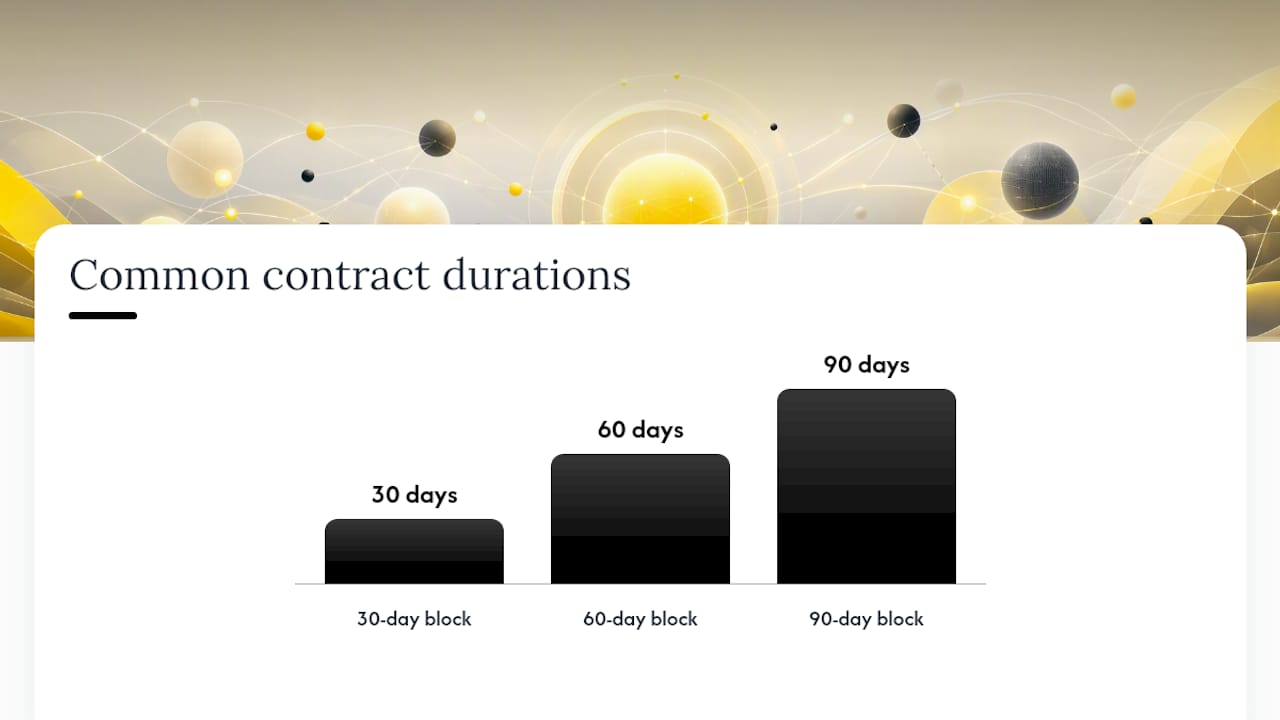
Whitelisting fees run separately from the ad spend you’ll put behind the post, and separately from whatever you already paid for the content itself. Industry norms put whitelisting fees at a commonly recognized percentage on top of the base content rate, though some agreements run as high as 50 percent depending on platform, duration, and how established the creator is.
A solid whitelisting contract should specify:
Which platforms the ad rights cover (Meta, TikTok, YouTube, or all three).
Duration, commonly written in 30, 60, or 90 day blocks.
A spend cap, so the brand can’t run unlimited budget against the creator’s name indefinitely.
Geographic restrictions on where the ad can serve.
Exactly what edits are permitted, such as CTA overlays or new tracking URLs.
A revocation process with a cure period if either side breaches terms.
Treat whitelisting as a paid usage license, not an extension of the content fee. Budget line items and contract clauses need to separate the two clearly, or renewal negotiations get messy fast.
Vainnewyork’s content usage rights breakdown walks through how these usage clauses typically get structured before a campaign launches.
Choosing Creators and Building Whitelist-Ready Creative
Not every creator relationship is worth whitelisting. The strongest candidates already have organic proof behind them and an account setup that supports paid partnership tools.
Prioritize creators whose organic posts already show strong watch time, saves, or comment quality.
Confirm the creator’s account type supports Partnership Ads or Spark Codes before you negotiate anything.
Look for creative that feels native to the platform rather than polished brand-style production, since that’s usually what earned the organic traction in the first place.
Start with one or two proven posts rather than whitelisting an entire content calendar at once. Small test budgets tell you which creators and formats justify scaling before you commit real money.
Pro Tip: If a post performed well organically without a strong CTA, don’t over-engineer the paid version. Small tweaks, like adding a tracking link, usually outperform a full creative overhaul.
Running, Measuring, and Scaling a Whitelisted Campaign
Treat whitelisted ads as their own campaign structure rather than folding them into general brand ad sets, since the attribution and creative rules differ.
Name campaigns clearly by creator and post so performance data doesn’t get muddled with brand-run creative.
Set up dedicated UTM parameters and confirm pixel or conversion event tracking fires correctly on the creator-published post.
Watch engagement rate and CTR early. Whitelisted ads often show engagement lifts tied to the creator’s existing trust with their audience, and a flat CTR relative to brand-run ads is a signal something in the setup is off.
Apply kill or scale rules based on CPA thresholds you’d use for any paid social test, typically giving a whitelisted ad a few days of stable spend before judging it.
Pace budget increases gradually rather than jumping spend caps overnight, since sudden spikes can trigger platform review delays.
Vainnewyork’s creator economy pilot playbook covers how to structure this test-and-scale cadence across a broader campaign calendar, and a QR-based attribution approach can help when you need to track creator-driven sales that happen offline.
Pitfalls and Compliance Issues to Watch
The biggest risks in whitelisting deals are contractual, not creative. FTC disclosure rules still apply to whitelisted ads exactly as they would to organic sponsored posts, and platform-native disclosure labels don’t always satisfy every requirement on their own.
Avoid contracts with open-ended usage rights or no spend cap. That’s the fastest way to lose a creator relationship when they see their face running indefinitely against unlimited budget.
Watch for vague revocation language. A contract without a clear process for pulling access leaves both sides exposed.
Recent changes to Meta’s branded content tagging tools are a reminder to check platform documentation before every launch, not just once at onboarding.
Risk | Mitigation |
Open-ended usage rights | Set a fixed duration (30 to 90 days) with renewal terms |
No spend cap | Write a hard dollar ceiling into the contract |
Unclear revocation | Define a cure period and revocation trigger upfront |
Missing disclosure | Confirm platform tags plus written disclosure language |
How Vainnewyork Approaches Whitelisting Campaigns
Our process starts with permissions before creative: confirm account type, secure Business Manager or Spark Code access, and lock contract terms before a single dollar of spend moves. From there, we build a small test plan against one or two proven organic posts, track CPA against brand-run benchmarks, and only scale winners.
Cross-functional execution matters here. Paid social, legal, and the creator relationship owner all need visibility into the same contract terms. Our monetizing content playbook and social strategy guide go deeper on how we structure fee negotiations and campaign calendars around this checklist.
A Practitioner’s Take on Whitelisting
The teams that win at whitelisting test their best organic posts first and protect creators with real spend caps, not vague promises. The teams that lose sign contracts with open-ended rights and wonder later why creators stop returning calls. Start with one pilot post, a 30 day window, and a hard budget ceiling before you scale anything further.
— Vain.
Sources
For platform mechanics, see Influee’s setup breakdown, Influship’s pricing guide, and Vainnewyork’s creator tools guide.
Recommended
Comments