Why NYC Streetwear Culture Drives Trends Globally
- Vain.

- Jul 3
- 8 min read
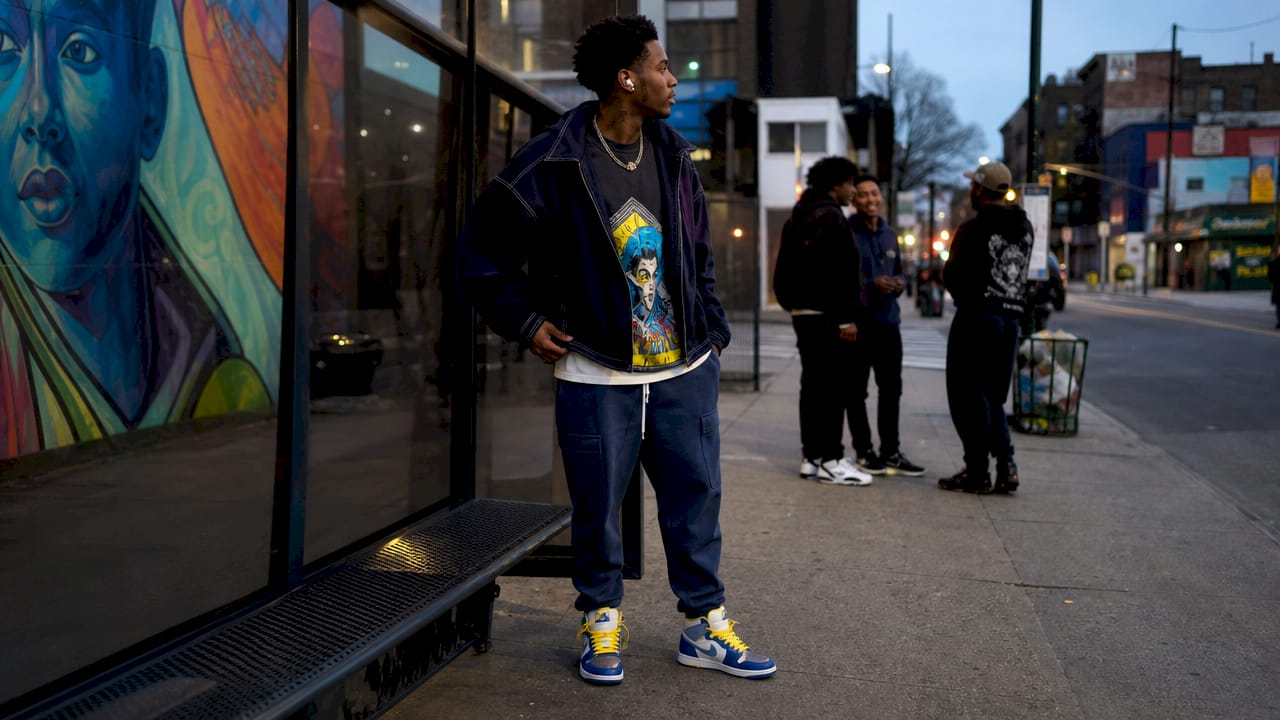
NYC streetwear culture is defined as the primary engine of global fashion trend creation, converting raw subcultural energy from the city’s boroughs into style signals adopted worldwide. Why NYC streetwear culture drives trends comes down to three forces working together: physical density that pressure-tests authenticity daily, retail environments that collapse fashion hierarchies, and local manufacturing infrastructure that keeps creative production close to the source. In 2019, NYC ranked as the world’s leading fashion capital, surpassing Paris, Milan, and London. That ranking reflects not just prestige but structural advantage. The CFDA and organizations like the NYC Economic Development Corporation have invested directly in sustaining the city’s creative ecosystem, making NYC’s influence both cultural and institutional.
Why does NYC streetwear culture drive trends differently than anywhere else?
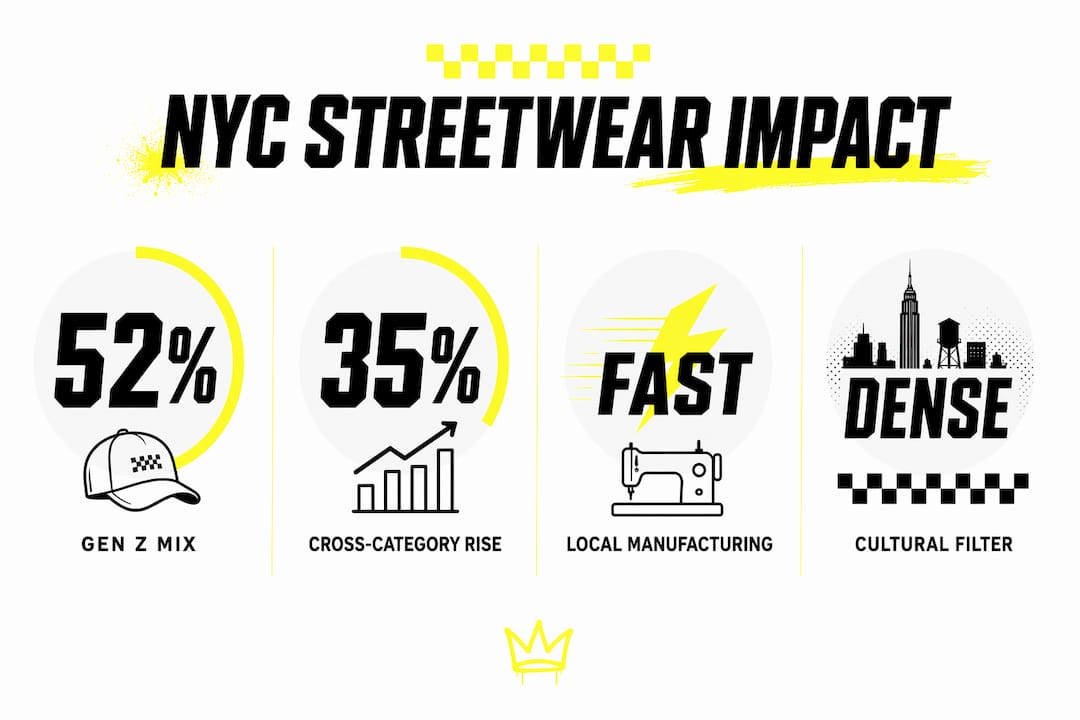
NYC’s trend power comes from its physical density. No other city forces as many distinct style communities into the same subway car, block, or park. NYC’s urban density acts as a high-speed cultural filter where subcultures collide daily, authenticating trends before they scale globally. A look that survives the Bronx, Brooklyn, and Midtown in the same week has already been tested against more diverse audiences than most cities can offer in a year.
Each borough contributes a distinct aesthetic layer. Hip-hop culture in the Bronx built the foundation of American streetwear, from oversized silhouettes to logo-heavy outerwear. Brooklyn’s skate scene introduced a rawer, more utilitarian edge. Harlem added tailored swagger and color confidence that filtered into luxury collaborations. These aesthetics do not stay in their lanes. They collide, remix, and produce something new that no single subculture could generate alone.
Authenticity policing within NYC streetwear is real and relentless. Wearing something that does not fit your actual context gets noticed immediately. That social pressure acts as a quality filter. Trends that feel forced or performative get rejected fast, while looks with genuine cultural roots spread organically. This is why NYC exports credible trends rather than manufactured ones.
Borough diversity: Each of the five boroughs carries a distinct style identity that feeds the broader NYC aesthetic.
Subcultural collision: Hip-hop, skate, punk, and luxury communities share physical space, producing hybrid styles.
Authenticity pressure: Daily public exposure filters out trends that lack genuine cultural grounding.
Speed of validation: A trend can move from street level to editorial coverage within weeks in NYC.
Pro Tip: If you are researching NYC streetwear for trend analysis, track style shifts by borough rather than by brand. Borough-level changes signal what is coming before brands catch up.
How do NYC retail environments accelerate streetwear’s global reach?
Retail spaces in NYC do not just sell clothes. They curate cultural collisions. Dover Street Market New York operates on a philosophy its founder Rei Kawakubo calls “beautiful chaos,” placing luxury houses next to independent streetwear labels with no hierarchy implied. That curatorial choice has a measurable effect on consumer behavior. 68% of visitors to Dover Street Market New York try new brands after a single visit, catalyzing cross-brand experimentation at a rate traditional retail cannot match.
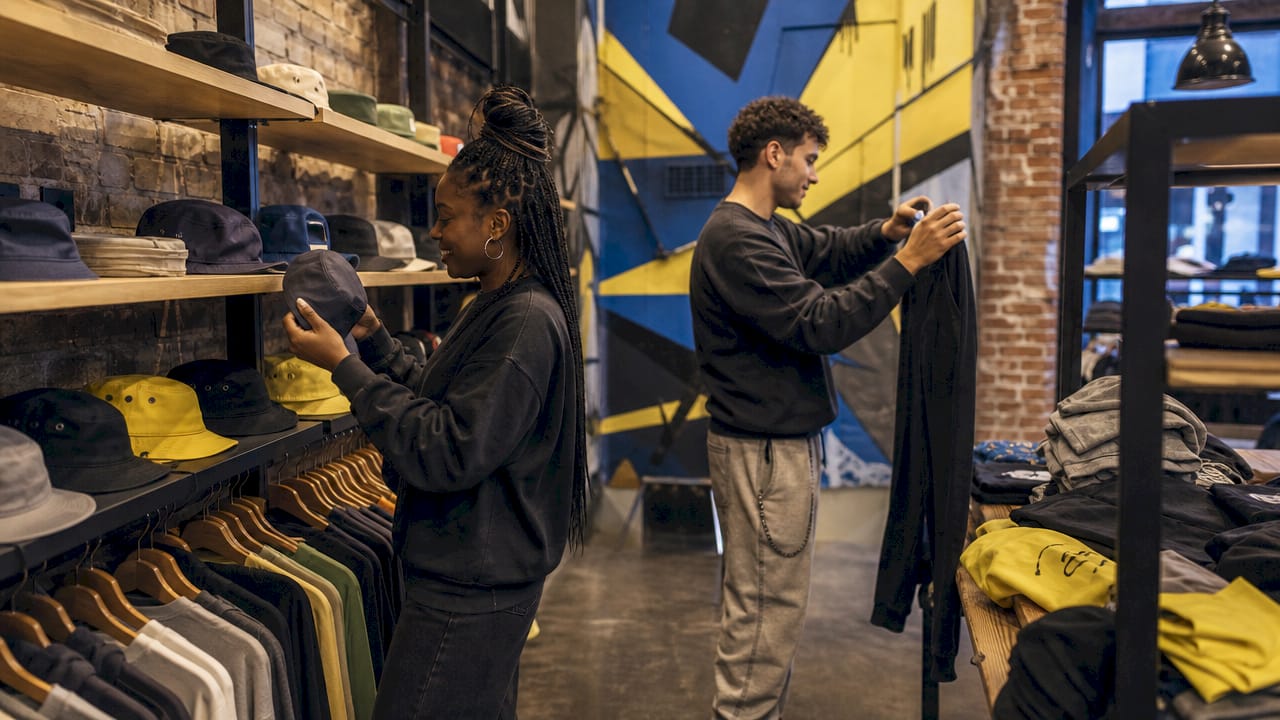
The deeper impact is on how consumers think about getting dressed. Retail spaces like Dover Street Market encourage mix-and-match styling characterized by asymmetry and layering, shifting consumer focus away from seasonal trend cycles toward personal creative expression. That shift is not cosmetic. It represents a fundamental change in how fashion authority works. Consumers stop asking “what is in season” and start asking “what works for me.”
52% of Gen Z consumers in NYC regularly mix streetwear with luxury items, and cross-category styling trends rose 35% between 2015 and 2022. Those numbers show that high-low dressing is not a niche experiment. It is the mainstream default for a generation that grew up inside NYC’s retail culture.
Retail behavior | Impact on fashion trends |
Brand juxtaposition | Consumers normalize mixing luxury and streetwear |
Curatorial “beautiful chaos” | Breaks down seasonal trend dependency |
Cross-brand exposure | 68% of shoppers try unfamiliar labels |
High-low styling normalization | 35% rise in cross-category styling (2015–2022) |
Pro Tip: When launching a brand or collection in NYC, consider placement alongside contrasting aesthetics rather than similar ones. The contrast creates the conversation that drives discovery. Read more about launching a collection in NYC before you plan your retail strategy.
What role does local manufacturing play in NYC’s trend leadership?
NYC’s trend influence depends on more than culture and retail. It depends on the ability to produce quickly and authentically close to the source. The NYC Economic Development Corporation and the CFDA launched a $1.7 million Local Production Fund supporting 21 garment manufacturers and 43 designers over two years. That investment keeps production local, which shortens the time between a creative idea and a finished garment on a rack.
Local manufacturing matters for trend responsiveness. When a designer in Brooklyn can walk to a factory in the Garment District and adjust a sample the same day, the iteration cycle shrinks dramatically. That speed is a competitive advantage no offshore production model can replicate. Trends that emerge from NYC subcultures can reach retail in weeks rather than months.
The workforce behind this infrastructure is substantial. Garment manufacturing modernization programs have supported over 3,500 workers through initiatives including the Fashion Manufacturing Initiative and the MSMX Plan. Those programs build technical capacity and keep specialized skills inside the city. Without them, the creative ecosystem loses its production backbone.
Local Production Fund: $1.7 million supporting 21 manufacturers and 43 designers, preserving NYC’s garment supply chain.
Rapid iteration: Proximity between designers and factories enables same-week sample revisions.
Workforce development: Over 3,500 workers supported through modernization programs.
Cultural authenticity: Locally made garments carry a provenance that resonates with streetwear consumers who value origin.
The NYC Fashion District remains one of the few urban manufacturing zones in the world where high-end design and production infrastructure share the same zip code. That proximity is not accidental. It is the result of deliberate policy and investment, and it directly sustains NYC’s ability to set trends at speed.
How does NYC’s streetwear culture shape global fashion markets?
NYC functions as a global cultural filter. Economic and cultural contradictions mix in NYC to produce cultural alchemy exported worldwide, turning local subcultural expressions into global retail norms. A style born in a Bronx community center or a Bushwick warehouse show does not stay local for long. It moves through media, digital platforms, and international buyers into markets from Tokyo to Lagos within a single season.
The mechanism works in a specific sequence:
A subculture develops a visual language tied to its lived experience.
NYC’s density exposes that language to adjacent communities, refining and amplifying it.
Retail environments like Dover Street Market give it commercial legitimacy without stripping its edge.
Media and digital culture pick up the visual signal and broadcast it globally.
International markets adopt the aesthetic, often before the originating subculture has moved on.
This sequence explains why NYC’s influence on global apparel trends feels both fast and durable. The city does not just export trends. It exports a method of trend creation that other cities try to replicate.
NYC’s dominance in fashion is less about perfection and more about being the place where diverse and contradictory cultural elements combine to produce something genuinely new. That combination is the product no other city can manufacture on demand.
The global influence of NYC culture extends beyond apparel into music, visual art, and digital content, creating a feedback loop where fashion trends reinforce cultural trends and vice versa. Streetwear sits at the center of that loop because it is the most visible and accessible expression of urban identity.
Key Takeaways
NYC streetwear culture drives global fashion trends because it combines authentic subcultural pressure, retail innovation, and local manufacturing speed into a system no other city has replicated.
Point | Details |
Cultural density as filter | NYC’s physical density pressure-tests trends across diverse communities before they scale globally. |
Retail breaks hierarchies | Spaces like Dover Street Market normalize high-low styling, shifting consumer behavior away from seasonal trends. |
Manufacturing proximity | The $1.7M Local Production Fund and 3,500-worker support base keep NYC’s trend cycle fast and authentic. |
Global export mechanism | NYC converts subcultural expression into global retail norms through media, digital culture, and international buyers. |
Gen Z as proof | 52% of NYC Gen Z consumers mix streetwear with luxury, confirming cross-category styling as the new mainstream. |
NYC streetwear’s staying power: what the data misses
The statistics on NYC’s fashion influence are real and worth citing. But they do not capture what actually makes this city’s streetwear culture irreplaceable. I have watched trend cycles come and go, and the cities that try to manufacture the “next NYC” always miss the same thing: you cannot engineer the friction.
NYC’s creative energy comes from genuine tension. Wealth and poverty share a block. High fashion and survival dressing exist in the same visual field. That tension is not a marketing angle. It is the actual condition that forces creative people to make something meaningful out of limited resources and maximum visibility. The authenticity that streetwear researchers keep measuring is a byproduct of that pressure, not a style choice.
What I find most underreported is the role of local manufacturing in keeping that authenticity intact. When production moves offshore, the feedback loop between designer and community breaks. The garment loses its connection to the place it claims to represent. The CFDA and NYC Economic Development Corporation’s investment in local production is not just economic policy. It is cultural preservation.
For anyone trying to engage meaningfully with the NYC streetwear scene, my advice is direct: stop treating it as a trend source and start treating it as a living creative community. The brands and creatives who build real relationships with specific boroughs and subcultures produce work that lasts. The ones who mine it for aesthetics without reciprocity get called out fast. NYC has always been good at that.
— Neville
Vainnewyork and the NYC streetwear story
NYC streetwear is not a trend to observe from a distance. It is a creative culture to participate in. Vainnewyork was built inside that culture, with a commitment to authentic design that reflects the city’s layered identity and creative energy.
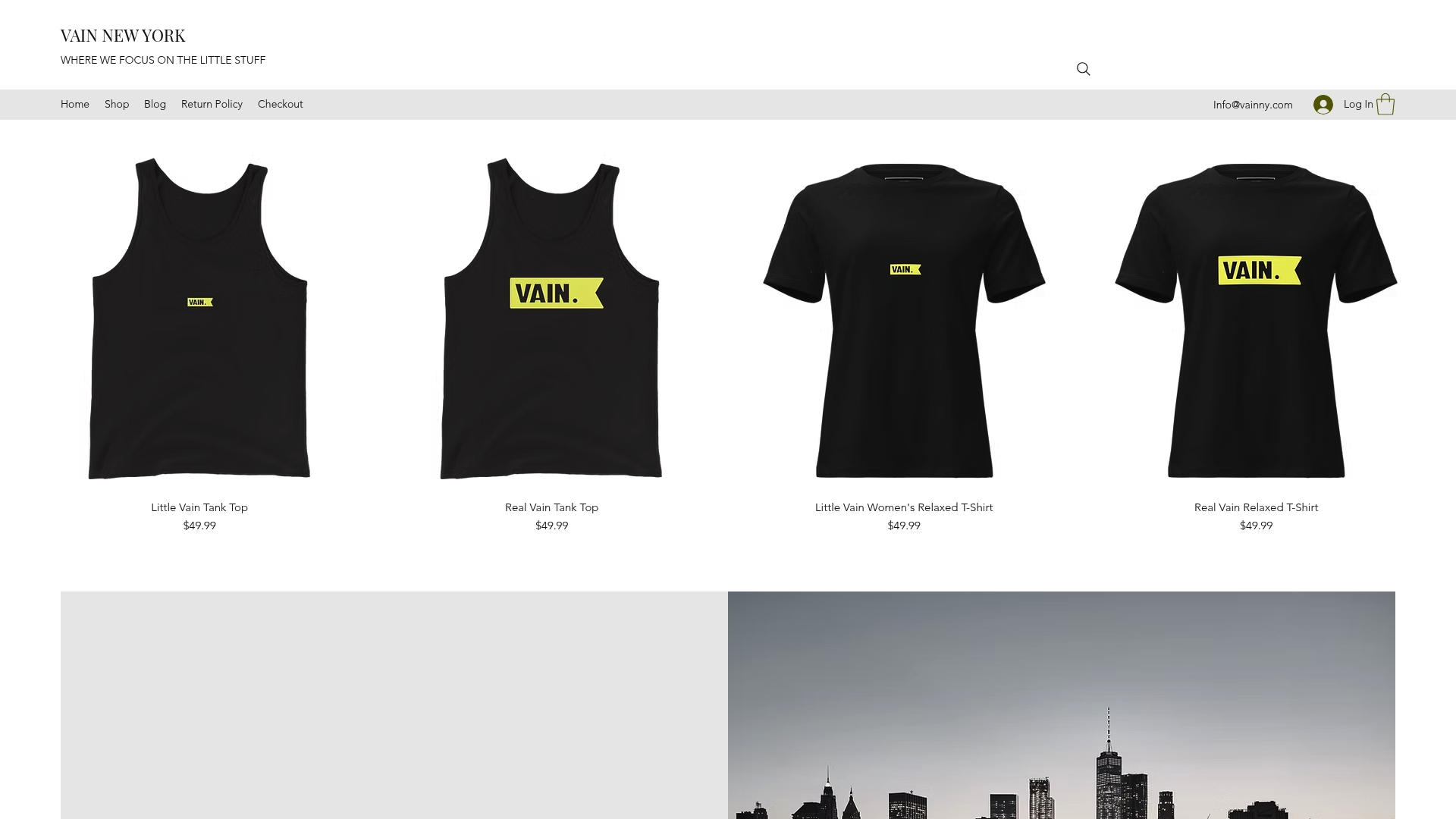
The Vainnewyork shop carries apparel that speaks to the same values this article covers: originality, cultural grounding, and the kind of craft that comes from staying close to the source. Whether you are a trend researcher looking to understand what NYC produces or a fashion enthusiast who wants to wear something with real roots, the collection reflects what makes this city’s style worth paying attention to.
FAQ
Why does NYC streetwear influence global fashion trends?
NYC acts as a high-speed cultural filter where diverse subcultures collide daily, pressure-testing trends before they scale. The city’s density, retail innovation, and local manufacturing infrastructure give it a structural advantage no other fashion capital has fully replicated.
What makes NYC streetwear culture authentic?
Authenticity in NYC streetwear comes from social pressure. Looks are tested in shared public spaces across radically different communities, and styles without genuine cultural grounding get rejected quickly at the street level.
How does retail in NYC shape global consumer behavior?
Concept-driven retail spaces normalize high-low styling by placing luxury and streetwear side by side without hierarchy. Cross-category styling rose 35% between 2015 and 2022, driven largely by the consumer experimentation these environments encourage.
What is the role of local manufacturing in NYC’s fashion influence?
Local production keeps the design-to-retail cycle fast and culturally connected. The NYC Economic Development Corporation and CFDA’s $1.7 million fund supports 21 manufacturers and 43 designers, preserving the supply chain that makes rapid, authentic trend production possible.
How does NYC compare to other global fashion capitals?
NYC ranked first among global fashion capitals in 2019, ahead of Paris, Milan, and London. Its lead comes from cultural diversity and subcultural vitality rather than institutional prestige alone.
Recommended
Comments