Why Artist Merchandise Differs from Retail: 2026 Guide

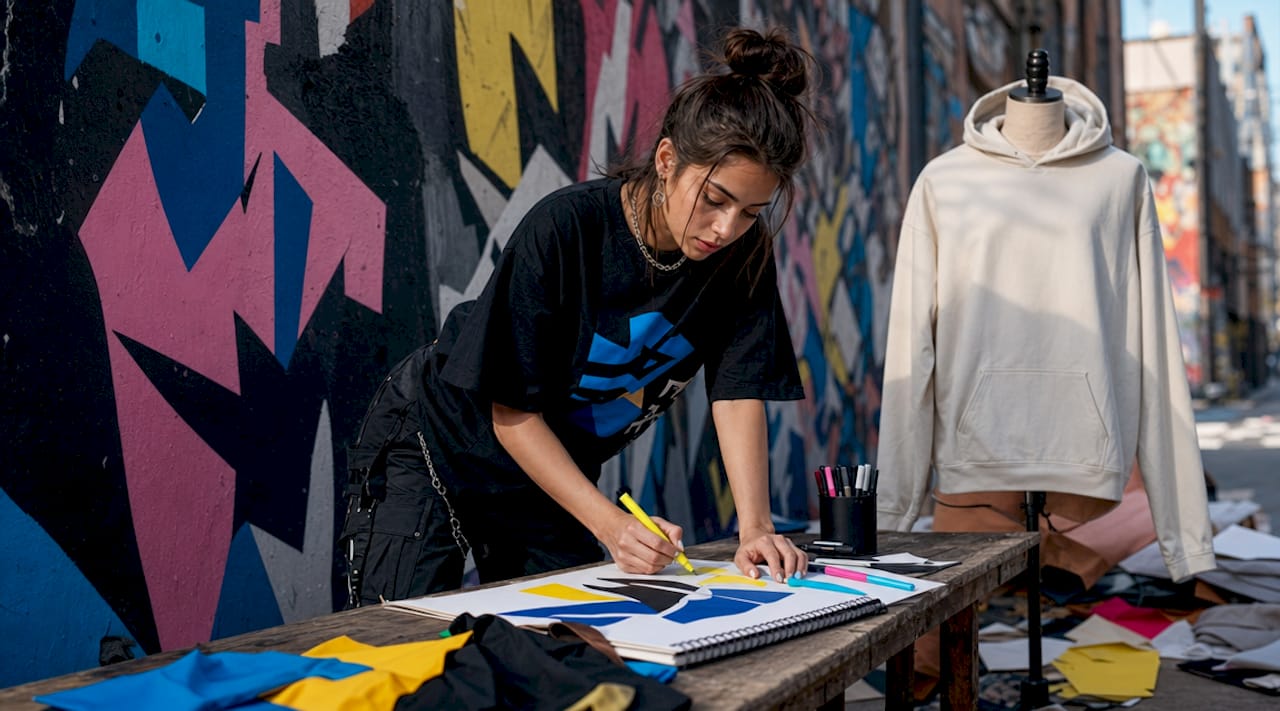
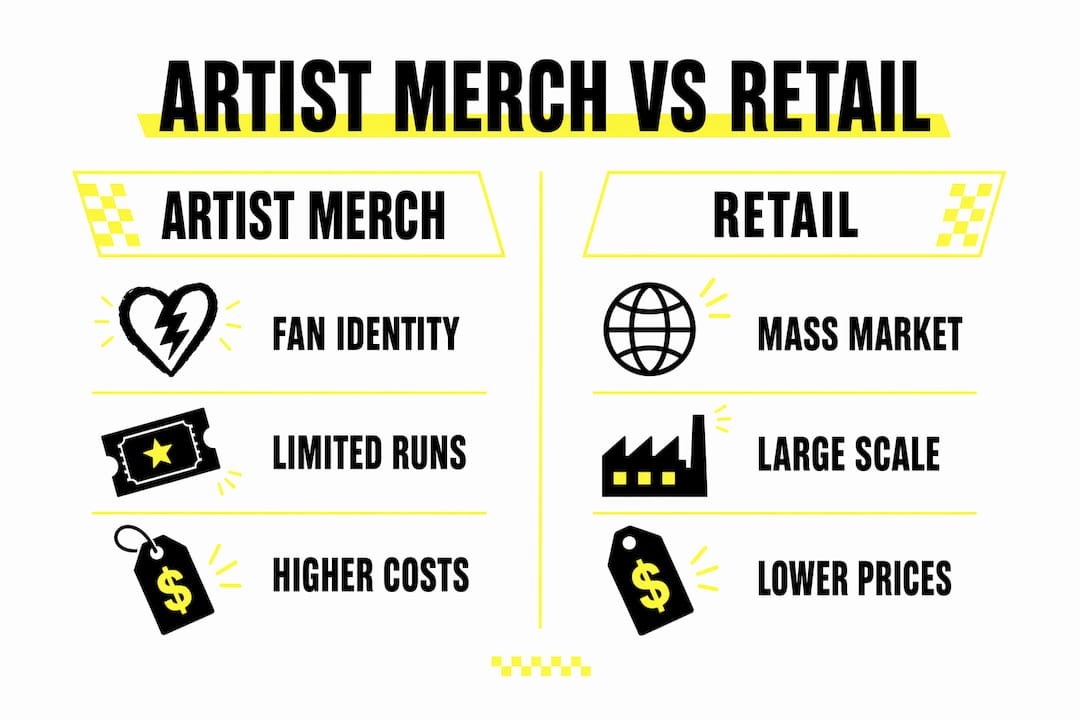
Artist merchandise is defined as a creator-branded product line built around cultural identity, direct fan support, and a specialized economic structure that standard retail apparel never carries. The difference in artist merchandise goes far beyond graphics on a T-shirt. Where retail operates on volume, margin, and mass-market appeal, artist merch functions as a revenue vehicle, a fan relationship tool, and a living extension of an artist’s brand. Understanding why artist merchandise differs from retail shapes every decision you make, from pricing and production to launch timing and long-term brand equity.
Why artist merchandise differs from retail in economics and operations
The most immediate reason artist merch uniqueness exists is economic. Retail brands manufacture at scale, sell through wholesale channels, and price for broad consumer markets. Artists operate inside a completely different financial architecture, one where venue commissions of 20 to 35% are taken off gross merch sales before the artist sees a dollar. That single cost alone forces artists to price products at levels that would look steep in a retail context but are structurally necessary to survive.
Beyond venue cuts, official licensed merchandise pays artists 15 to 30% royalties on top of production costs, licensing fees, and manager or label splits. Fan-made tribute merch pays zero royalties, which is why it can undercut official pricing while using the same Gildan or Bella+Canvas blanks. The garment is identical. The economic obligation is not.
Here is what the cost structure looks like for a touring artist selling a $45 T-shirt at a mid-size venue:
Venue commission (25% of gross): $11.25 taken off the top
Production cost per unit (custom print, quality blank): $12 to $18
Royalty or licensing fee (15 to 30% of net): $5 to $10
Remaining artist margin: $6 to $17 per shirt, before travel, staffing, or unsold inventory
Merchandise accounts for roughly 14% of total creator income globally, rising to 26% for creators earning over $100,000 annually. For mid-level touring artists, that income share is not supplemental. It is structural. The Ticketmaster and Live Nation ecosystem, where venue economics shape artist revenue, makes merch one of the few revenue lines artists control directly.
Inventory risk compounds all of this. A retail brand orders based on demand forecasting and distributor relationships. An artist orders before a tour, guesses at city-by-city demand, and absorbs the cost of unsold stock. That financial overhead is unique to the artist merchandise model and explains why production decisions carry such high stakes.
How design intent separates artist merch from retail apparel
Design intent is the clearest philosophical divide between artist merchandise versus retail. Retail fashion designs for broad market appeal, trend cycles, and garment longevity. Artist merch is designed to represent external culture and fan identity rather than purely functional fashion. A tour date on the back of a hoodie is not a design flaw. It is the point.
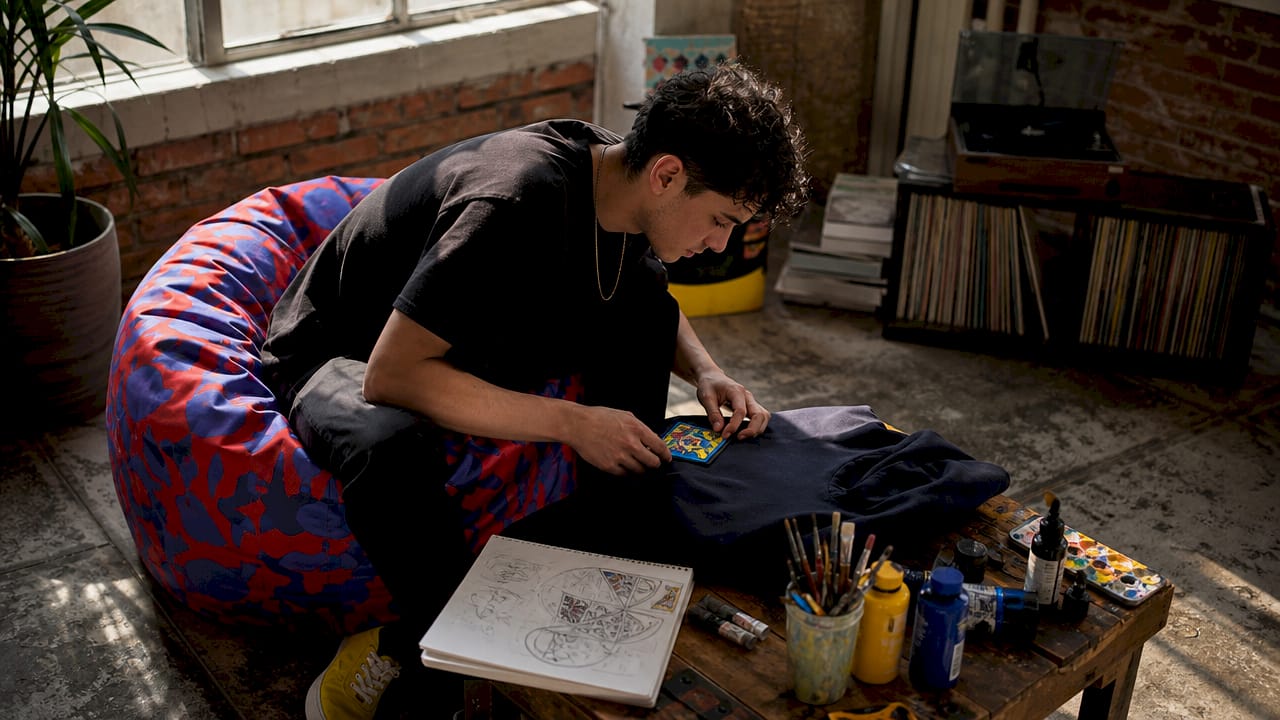
The comparison between artist merch and streetwear is instructive here. Streetwear brands like Supreme or Fear of God invest heavily in garment construction, fit architecture, and fabric weight because the product itself is the statement. Artist merch historically prioritized graphic prominence and cultural reference over structural integrity. That gap is closing, but the intent remains different.
Dimension | Artist merchandise | Retail / streetwear |
Primary purpose | Fan identity and cultural connection | Fashion appeal and garment longevity |
Design focus | Graphics, tour references, slogans | Fit, construction, trend alignment |
Audience | Dedicated fan base | Broad consumer market |
Pricing logic | Cost-plus with venue and royalty overhead | Margin-based wholesale or DTC |
Exclusivity | Often limited or tour-specific | Seasonal or continuous availability |
The cost difference between official and fan-made merch comes almost entirely from licensing and brand premium, not the garment itself. That means the design, the name, and the cultural weight of the artist are the actual product. Retail cannot replicate that. A Walmart rack can stock a graphic tee, but it cannot stock the feeling of buying a shirt at a show you will remember for twenty years.
Pro Tip: When briefing a designer on artist merch, treat the graphic as the hero and the garment as the frame. Choose fabric weight and color that make the print land harder, not just look good on a hanger.
What production models define the artist merchandise versus retail divide
Production model choice is where the retail vs artist merch gap becomes most concrete. Two models dominate the artist merch space: Print-on-Demand and custom manufacturing. Each carries distinct trade-offs for quality, brand perception, and margin.
Print-on-Demand eliminates upfront inventory risk but yields lower perceived value compared to custom-manufactured merchandise. Platforms like Printful or Printify let artists list products without holding stock. The trade-off is real. POD garments typically use lighter fabrics, standard fits, and generic packaging. Fans who receive a POD hoodie in a poly mailer with no branded insert feel that difference immediately.
Custom manufacturing flips the equation. Artists who invest in heavyweight fabrics (400 GSM and above), chain stitch embroidery, woven labels, and custom packaging create a product that signals quality before it is even unboxed. Technical production choices like all-over printing and heavyweight fabrics upgrade merch to high-end fashion status and justify premium pricing. That is not a luxury reserved for major label artists. Independent creators at the 10,000 monthly listener level can access custom manufacturing through domestic and overseas vendors with minimum order quantities as low as 50 units.
Here is how the two models compare across the decisions that matter most:
Upfront cost: POD requires zero inventory investment. Custom manufacturing requires capital commitment of $500 to $5,000 or more depending on run size and complexity.
Perceived quality: Custom manufacturing consistently outperforms POD in fan perception, especially for hoodies and outerwear where fabric weight is immediately felt.
Margin per unit: Custom manufacturing yields higher margins at scale. POD margins are thin, often 20 to 30% of retail price.
Brand equity: Custom packaging, woven labels, and branded hangtags build long-term recognition. POD offers none of these by default.
Launch timeline: POD can go live in 48 hours. Custom manufacturing requires 6 to 12 weeks for sampling, approval, and production.
The production model you choose is a brand statement as much as a financial decision. Fans who collect artist merch know the difference between a $28 POD tee and a $65 custom-manufactured one. Pricing them the same destroys trust in both directions.
How artists can leverage exclusive artist gear to build loyalty and revenue
Artists who treat merchandise as a strategic business line, briefing manufacturers the way they brief directors for music videos, see measurably stronger sales than those who treat merch as an afterthought. The practical application of that insight starts with product mix and extends through launch strategy.
A well-curated merch range covers multiple price points to capture every fan at the table. The Very Artistic Interesting Nerd T-Shirt V1 from Vainnewyork is a strong example of how a single product can carry cultural weight while anchoring a broader product story. Tees at $35 to $45, hoodies at $65 to $90, and accessories like hats or tote bags at $20 to $30 give fans options regardless of budget. A varied product mix including tees, hoodies, and hats maximizes revenue per show by meeting fans where they are financially.
Scarcity and exclusivity drive urgency in ways that retail simply cannot manufacture. Limited tour-specific colorways, city-exclusive designs, or numbered drops create collector behavior among dedicated fans. That behavior is the engine behind why custom artist products command premiums that no retail equivalent can justify.
Sample before you commit. Request physical samples from every manufacturer before approving a production run. Color accuracy, fabric hand-feel, and print registration all shift between digital mockup and physical product.
Launch with an event, not a listing. Tie merch drops to show announcements, album releases, or social moments. A listing with no context is invisible. A drop with a story is a cultural moment.
Manage post-tour inventory actively. Move remaining stock online within two weeks of a tour’s end while fan energy is still high. Waiting six months kills conversion.
Underpricing premium merchandise harms brand perception and profit simultaneously. High-quality hoodies should retail at $88 to $120. Fear-based low pricing signals low quality to fans who are already prepared to pay for authenticity.
Pro Tip: Build your merch brief the same way you build a creative brief for a music video. Define the mood, the color story, the cultural reference points, and the garment specs before you talk to a single vendor. Vendors produce better work when they understand the vision, not just the SKU list.
Key takeaways
Artist merchandise differs from retail because it carries a unique economic structure, a culturally driven design intent, and a production model that directly shapes fan experience and brand equity.
Point | Details |
Venue commissions reshape pricing | Artists lose 20 to 35% of gross merch sales to venues before calculating any profit. |
Royalties separate official from unofficial merch | Official merch pays 15 to 30% royalties; fan-made tribute merch pays none, creating a fundamental price gap. |
Production model is a brand statement | Custom manufacturing with heavyweight fabrics and branded packaging builds long-term fan trust that POD cannot replicate. |
Design intent drives cultural value | Artist merch is built for fan identity and cultural connection, not broad market fashion appeal. |
Merch is a primary income stream | For creators earning over $100,000 annually, merch accounts for 26% of total income, making execution quality critical. |
Why merch strategy is the creative decision most artists underestimate
I have watched artists pour months into an album rollout and then order merch two weeks before the tour starts. The results are predictable: rushed graphics, generic blanks, and pricing that either leaves money on the table or alienates fans who expected something worth owning. The economic realities we have covered here are not abstract. They are the difference between a merch table that funds the next record and one that barely covers the van rental.
What I find most telling is how often the design conversation stops at the graphic. The graphic matters enormously. But the garment it lives on communicates just as much. A beautifully designed print on a thin, boxy blank tells fans you did not care enough to finish the job. A considered fabric choice, a clean fit, and a woven label inside the collar say the opposite. Those details are not expensive relative to the total production budget. They are just decisions that require intention.
The artists I have seen build real merchandise programs treat their merch the way Vainnewyork treats creative production: as a craft that deserves the same attention as the music, the visuals, and the live show. Merch is not a revenue afterthought. It is a physical artifact of the artist-fan relationship, and fans know when it was made with care. Start the conversation with your manufacturer the same week you start pre-production on the album. Brief them like a creative partner. Sample everything. Price with confidence. The fans who love your work will meet you there.
— Neville
Explore premium artist merchandise at Vainnewyork
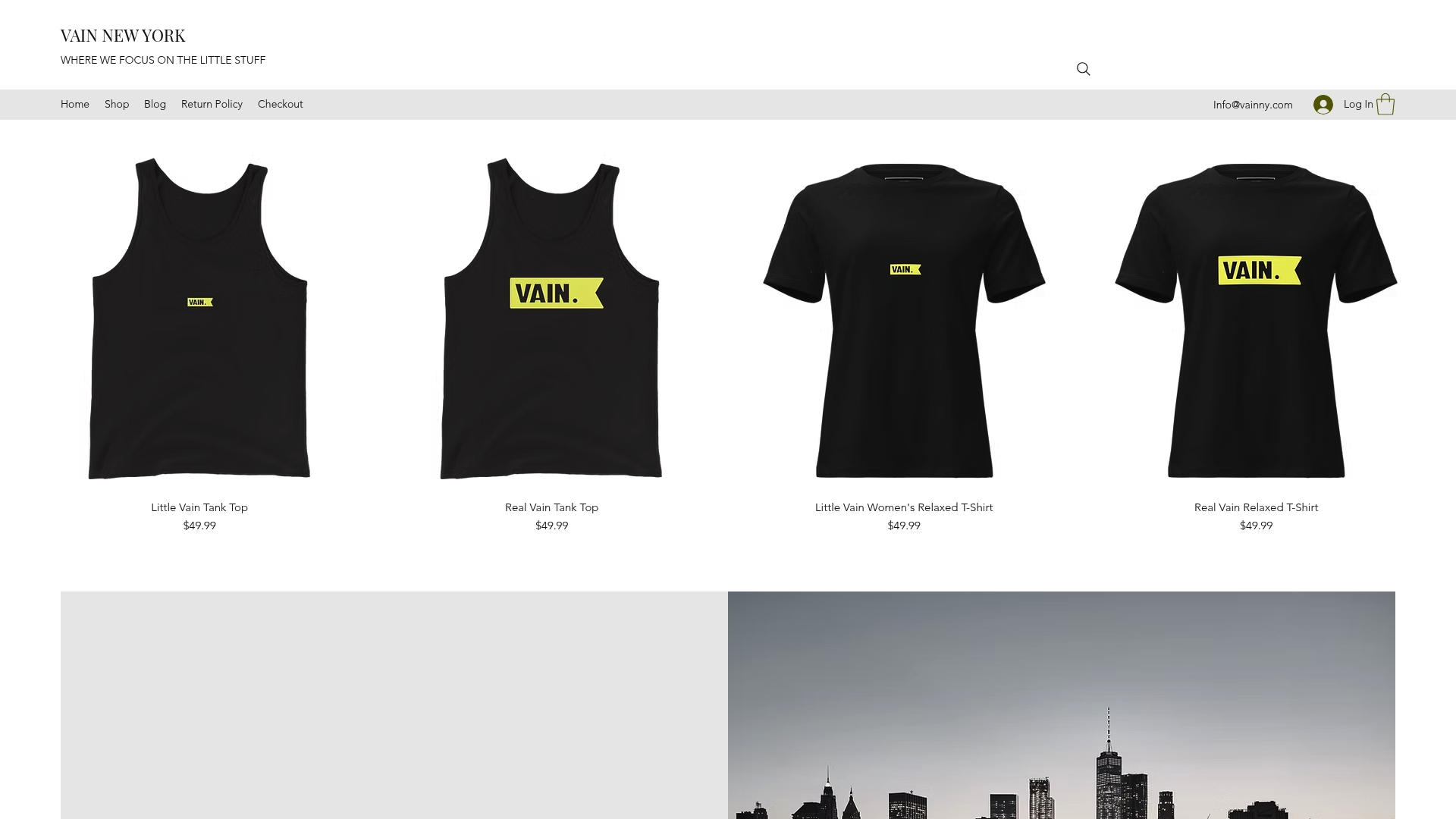
Vainnewyork brings the same creative discipline to merchandise that it applies across every content and brand development project. The Vainnewyork shop reflects the best practices covered in this article: intentional design, quality garment selection, and products built around cultural connection rather than generic retail appeal. Whether you are looking for inspiration for your own merch line or want to experience what artist brand merchandise looks and feels like at its best, the shop is the right place to start. Browse the Very Artistic Interesting Nerd T-Shirt V3 to see how design intent and brand identity translate into a physical product worth owning.
FAQ
Why is artist merch more expensive than retail apparel?
Artist merchandise carries costs that retail apparel does not, including venue commissions of 20 to 35%, licensing royalties of 15 to 30%, and limited production runs that eliminate the economies of scale retail brands rely on. The price reflects economic structure, not just the garment.
What is the difference between Print-on-Demand and custom artist merch?
Print-on-Demand eliminates upfront inventory risk but produces lower perceived quality and thinner margins. Custom manufacturing uses premium fabrics, branded packaging, and finishing techniques that build long-term brand equity and justify higher retail pricing.
How much of an artist’s income comes from merchandise?
Merchandise accounts for roughly 14% of total creator income globally, rising to 26% for creators earning over $100,000 annually. For touring artists, merch is one of the few revenue lines they control directly.
What makes artist merch design different from retail fashion design?
Artist merch is designed primarily for fan identity and cultural connection, with graphic prominence as the central element. Retail fashion prioritizes garment construction, trend alignment, and broad market appeal over any specific cultural reference.
How should artists price their merchandise?
Artists should price merchandise to account for venue commissions, production costs, and royalties while signaling quality to fans. High-quality hoodies should retail at $88 to $120. Underpricing erodes both margins and brand perception simultaneously.
Recommended
Comments