What Is a Creative Merchandise Concept for Brands


A creative merchandise concept is the intentional design and strategic development of distinctive branded products that deepen brand identity and transform consumer interaction from passive recognition into active affiliation. Unlike generic promotional swag, this approach treats physical goods as a medium for storytelling, community building, and long-term brand equity. The global promotional products market reached approximately USD 85.5 billion in 2025, growing at a 3.17% CAGR from 2020 to 2026. That growth signals a fundamental shift: consumers now expect merchandise to carry meaning, not just a logo. Platforms like Printful and studios like Vainnewyork are proof that creative merchandise concepts, when executed with purpose, generate revenue and community simultaneously.
What is a creative merchandise concept, exactly?
A creative merchandise concept is the strategic process of translating a brand’s identity, values, and audience relationships into physical products that people genuinely want to own. The industry term most professionals use is branded merchandise strategy, and it encompasses everything from product ideation and design to production, distribution, and measurement. What separates it from traditional promotional products is intent. A branded pen handed out at a trade show serves a transactional purpose. A thoughtfully designed tote bag that reflects a brand’s visual language and resonates with its community serves a relational one.
Creative merchandise transforms intangible brand identity into physical goods that do more than advertise. They build community, increase visibility, and generate revenue over the long term. This is the core value proposition that separates a creative merchandise concept from a line item in a marketing budget. When a brand manager at a growing DTC company or an entrepreneur building a personal brand understands this distinction, the entire approach to product development changes.
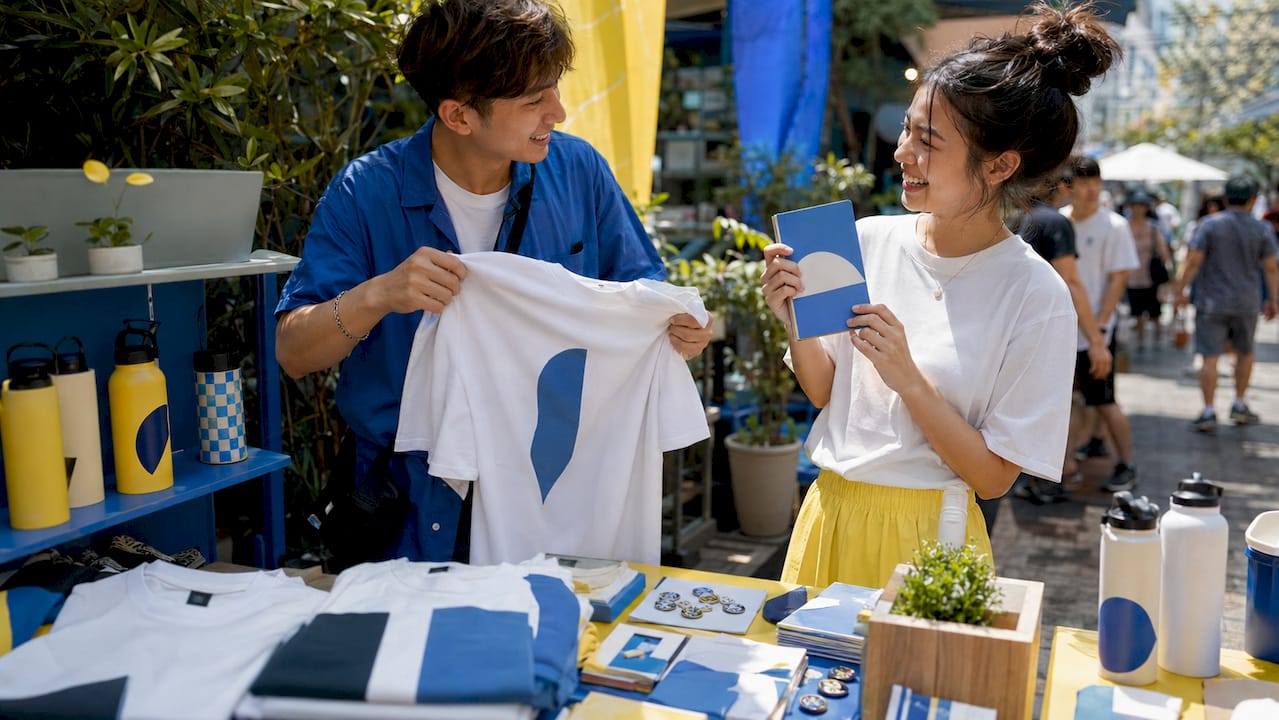
Understanding merchandise concepts at this level also means recognizing the role of graphic design in merchandise as a primary vehicle for brand communication, not decoration.
How does creative merchandise differ from traditional promotional items?
The difference between creative merchandise and traditional promotional items comes down to three qualities: design intentionality, functional value, and emotional resonance. Traditional promotional products are selected for cost efficiency and logo placement. Creative merchandise is selected because it reflects who the brand is and what its audience values.
Consider the contrast directly:
Design intentionality: A creative merchandise concept starts with the brand’s visual identity and cultural positioning, then works backward to the product. A generic promotional item starts with a price point and works forward to a logo placement.
Functional value: Utility and longevity determine merchandise success. Useful items stay in daily life and generate sustained brand exposure, while disposable novelty items are forgotten within days.
Emotional connection: Creative merchandise creates a physical expression of brand identity that builds fan loyalty and community by transforming passive interest into active affiliation.
Mobile advertising: A well-designed piece of merchandise worn or carried in public functions as a walking brand impression, reaching audiences that paid media cannot always access.
Revenue potential: Unlike giveaways, creative merchandise concepts are often designed to be sold, not just distributed, which means they must justify their price through perceived value and desirability.
Pro Tip: Before selecting any product, ask whether your audience would pay for it at retail price. If the honest answer is no, the concept needs rethinking before production begins.
The shift toward custom apparel that differentiates brands is one of the clearest examples of this evolution in practice. Apparel, when designed with creative rigor, becomes a wearable declaration of belonging rather than a free giveaway.
What frameworks guide effective merchandise concepts?
Effective creative merchandise concepts are not born from inspiration alone. They are built on frameworks that balance creative intuition with analytical discipline. The most durable of these is the Five Rights framework, which has guided merchandising strategy for nearly a century.
The Five Rights framework specifies that successful merchandising delivers the right merchandise, in the right place, at the right time, in the right quantity, at the right price, to the right audience. Each variable is a decision point that requires both creative judgment and data.
Framework element | Strategic question to answer |
Right merchandise | Does this product reflect our brand identity and serve a real need? |
Right place | Where does our audience discover and purchase products? |
Right time | Does this align with a cultural moment, season, or campaign? |
Right quantity | How do we avoid overproduction while meeting demand? |
Right audience | Who specifically is this for, and what do they already value? |
Merchandising requires blending creative intuition about cultural trends with rigorous data analysis to spot opportunities other brands miss. This is not a tension to resolve but a discipline to practice. The most effective brand managers treat merchandise decisions the way a film director treats casting: every choice must serve the story.
Audience clarity comes before product selection, without exception. Creative merchandise requires upfront strategic clarity on audience and purpose before product selection to avoid wasteful, low-utility items and to maximize brand equity investment. Knowing your “why” and your “who” before you choose a product category is the single most important discipline in this process.
Pro Tip: Map your top three audience personas and list three products each persona would use daily. The overlap between those lists is your highest-confidence starting point for merchandise ideation.
What trends are reshaping creative product ideas today?
The most compelling creative product ideas in 2026 share a common quality: they communicate brand values through materials and design rather than through overt logos. This is the principle of functional novelty, and it is reshaping what marketers and entrepreneurs consider viable merchandise.
Several trends are defining the current moment in merchandising creativity:
Eco-conscious materials: Products made from recycled or organic materials signal environmental values without requiring a sustainability statement. Coffee-ground sleeves and seed-paper packaging are real examples of this principle in action.
Living products: Circularity and functional novelty in merchandise, such as products made from coffee grounds or living terrariums, communicate brand values through product origin or materials without overt logos. These items become conversation pieces.
Tech-integrated merchandise: Wireless charging pads, branded USB hubs, and smart accessories carry high perceived value and daily utility, making them natural candidates for premium merchandise programs.
Collectibles and limited editions: Scarcity drives desirability. Limited-run merchandise tied to specific campaigns or cultural moments creates urgency and deepens the sense of community among those who acquire them.
Personalized items: On-demand printing and embroidery services now make personalization economically viable at small scale, allowing brands to offer merchandise that feels made specifically for the individual.
The broader shift is toward merchandise that reflects audience values rather than brand vanity. When a product communicates something true about the people who carry it, it earns a place in their daily lives. That sustained presence is the most cost-effective brand impression available to any marketer.
How to develop a creative merchandise concept step by step
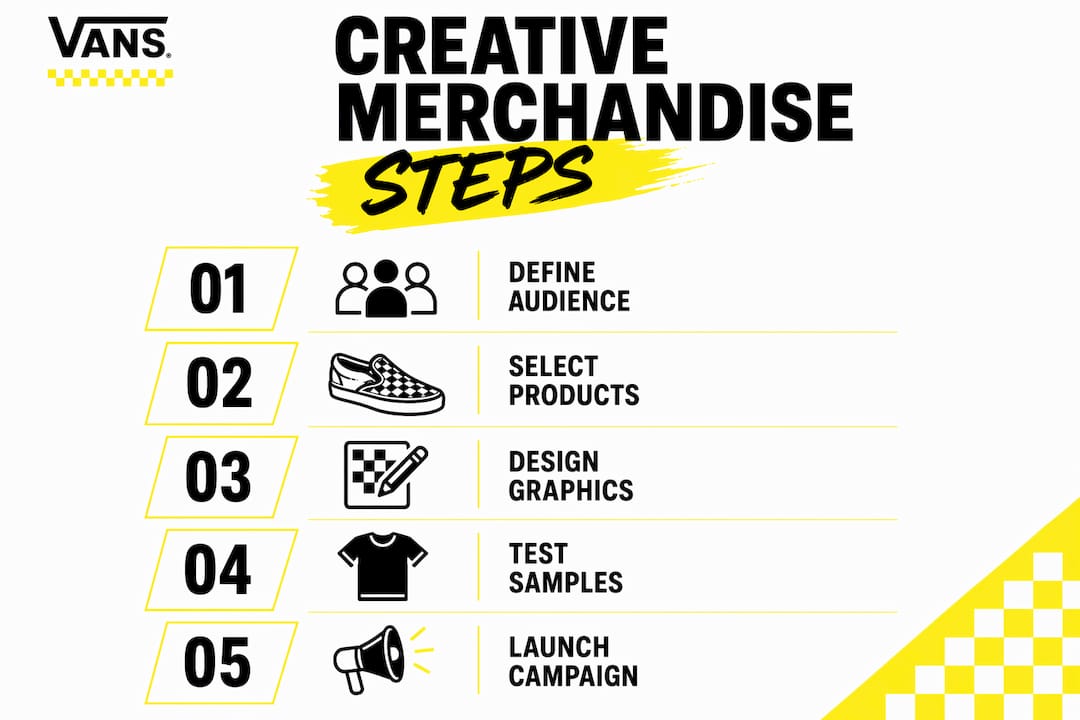
Translating a creative merchandise concept from idea to market-ready product requires a disciplined process. Here is how brand managers and entrepreneurs can approach it practically:
Define your brand and audience clearly. Write a one-paragraph brief that describes your brand’s core values, visual identity, and the specific audience segment this merchandise will serve. Vague briefs produce generic products.
Identify the product category. Choose a category based on audience lifestyle, not brand preference. A fitness brand serves its audience better with water bottles and resistance bands than with tote bags, regardless of how popular totes are in the broader market.
Develop the design concept. Work with a designer or design tool to create artwork that reflects your brand identity at the resolution and format production requires. High-resolution vector files and understanding material branding methods like embossing, screen printing, and embroidery are crucial for accurate brand representation in merchandise production.
Create mockups and validate. Use apparel mockup tools to visualize the product before committing to production. Share mockups with a small audience segment for honest feedback before ordering inventory.
Select a production partner. Evaluate suppliers on print quality, minimum order quantities, turnaround time, and sustainability certifications. Request physical samples before approving a full production run.
Plan distribution and photography. Decide whether merchandise will be sold, gifted, or used as campaign collateral. Invest in product photography that sells to present the product at its best across e-commerce and social channels.
Measure beyond sales. Track brand mentions, social shares, repeat purchase rates, and qualitative feedback alongside revenue. Merchandise success is measured in brand equity as much as in units sold.
Pro Tip: Never skip the sample stage. A product that looks perfect in a digital mockup can fail in material quality, color accuracy, or print placement. One sample order prevents costly full-run mistakes.
Common pitfalls include choosing products based on low cost rather than audience relevance, underinvesting in design quality, and distributing merchandise without a clear narrative about why it exists. Each of these errors reduces the product from a brand asset to a forgettable giveaway.
Key takeaways
Creative merchandise concepts succeed when they prioritize audience relevance, design integrity, and strategic clarity over cost efficiency and logo placement.
Point | Details |
Definition matters | A creative merchandise concept is a branded product strategy built on identity, not just promotion. |
Framework first | The Five Rights framework ensures merchandise decisions are both creative and analytically grounded. |
Utility drives longevity | Products with genuine daily use generate sustained brand exposure far beyond the moment of distribution. |
Trends signal values | Eco-friendly, personalized, and tech-integrated merchandise reflects what modern audiences actually care about. |
Process protects investment | Moving from brief to sample to production with audience validation reduces waste and maximizes brand equity. |
Why merchandise is a long-term brand investment, not a line item
I have watched brands treat merchandise as an afterthought for years, ordering a batch of branded pens two weeks before an event and calling it a strategy. The results are predictable: low retention, zero community impact, and a storage room full of unsold inventory. What I have come to believe, after working across brand development and creative production, is that merchandise is one of the most underutilized long-term brand equity tools available to any organization.
The brands that get this right, whether they are independent artists selling limited-run apparel or mid-sized companies launching a product line, share one quality: they treat merchandise as a conversation piece rather than a billboard. They ask what the product says about the people who own it, not just about the company that made it. That reframe changes everything from the design brief to the distribution strategy.
Sustainability and technology integration are not trends to chase. They are signals from your audience about what they value. When a brand responds to those signals through its merchandise, it demonstrates that it is listening. That kind of responsiveness builds the kind of loyalty that no paid media campaign can manufacture. The brands that invest in creative merchandise concepts today are building physical artifacts of their culture, and those artifacts outlast any digital campaign.
— Neville
See creative merchandise concepts come to life at Vainnewyork
At Vainnewyork, we do not just write about creative merchandise concepts. We build them. Our approach to brand development treats every product as a physical expression of a larger creative vision, and our shop reflects that commitment directly.
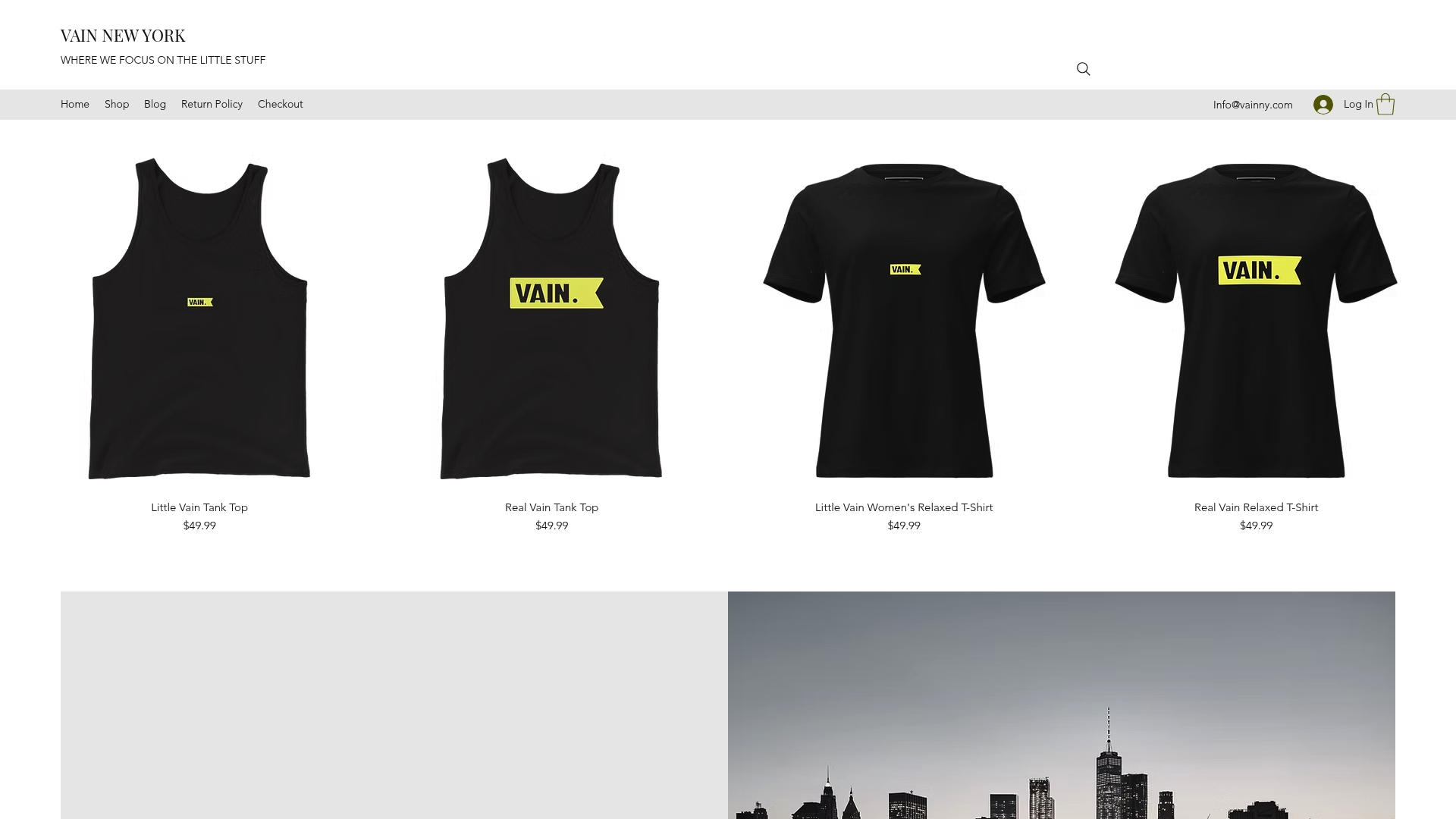
The Little Vain Auburn One-Piece Swimsuit is one example of how a single product can carry a brand’s aesthetic identity with confidence and intention. Every piece in our shop is designed to demonstrate what happens when creative strategy meets production craft. If you are building a merchandise program and want to see these principles in action, browse the collection and consider what your own brand could communicate through the right product.
FAQ
What is a creative merchandise concept in simple terms?
A creative merchandise concept is the strategic process of designing branded physical products that reflect a brand’s identity and create genuine value for its audience, going well beyond traditional logo-printed giveaways.
How does a merchandising strategy differ from just selling products?
A merchandising strategy is a structured framework covering product selection, placement, timing, pricing, and audience targeting, while simply selling products lacks that intentional alignment with brand goals and consumer behavior.
What makes merchandise “creative” rather than generic?
Creative merchandise prioritizes design intentionality, functional value, and emotional resonance with a specific audience, whereas generic merchandise prioritizes low cost and broad distribution without audience or identity alignment.
How do I start developing a merchandise concept for my brand?
Start by writing a clear brief that defines your brand values and target audience, then identify product categories that match your audience’s daily lifestyle before moving to design, sampling, and production.
Why does merchandise quality matter more than quantity?
Choosing merchandise based on longevity and utility rather than cost drives more authentic brand touchpoints and sustained engagement, because high-quality items stay in daily use while cheap novelty items are discarded quickly.
Recommended
Comments