Types of Artist Merch Bundles: Your 2026 Guide
- Vain.

- Jul 6
- 8 min read

Artist merch bundles are curated product collections that pair a signature “hero item” with smaller, high-value goods to increase fan spending and deepen loyalty. The types of artist merch bundles that work best follow a five-tier framework: Entry, Identity, Collector, Seasonal, and Personalized. Each tier targets a different fan segment, from casual listeners to devoted superfans. Independent musicians who understand this structure sell more, spend less on guesswork, and build the kind of fan relationships that outlast any single release. This guide breaks down every bundle type with real product examples, pricing logic, and creative ideas you can act on today.
What are the core types of artist merch bundles?
Tiered merch strategies organize your product catalog so every fan finds something worth buying. The five-tier model is the industry standard for creator merchandise, and it works because it matches product price points to fan intent rather than guessing what will sell.
Here is a quick overview of each bundle type:
Entry bundles: Low-cost items like stickers, digital downloads, and postcards. These attract casual fans and first-time buyers without requiring a big commitment.
Identity bundles: Apparel-centered collections built around T-shirts, hoodies, and branded accessories. These turn fans into walking billboards for your music.
Collector bundles: Limited-edition and signed items such as vinyl records, framed art prints, and numbered posters. These target superfans willing to pay premium prices.
Seasonal bundles: Holiday, tour, or album-launch collections with a defined time window. Urgency drives conversions here.
Personalized bundles: Custom or fan-specific merchandise like autographed lyric prints with a fan’s name. These create one-of-a-kind ownership and prevent price comparison by making each item unique.
Each tier serves a distinct purpose. Stacking all five across your store gives you coverage from the $10 impulse buyer to the $150 superfan.
1. Building entry-level and identity bundles
Entry-level and identity bundles are the foundation of any artist merchandise strategy. They move volume, attract new fans, and fund the production of higher-tier items.

Entry bundles typically include stickers, digital downloads, enamel pins, and postcards. These items cost little to produce and carry enough perceived value to justify a $10–$20 bundle price. Print-on-demand services eliminate upfront inventory risk, which matters enormously for independent artists working with tight budgets.
Identity bundles center on apparel. Custom T-shirts net $3–$8 profit per unit via print-on-demand, while hoodies carry significantly higher margins. That difference matters when you are building a bundle. Pairing a hoodie with a sticker sheet and a digital download creates a package that feels premium without costing much more to produce.
The key to both tiers is balancing affordability with perceived value. A $35 identity bundle that includes a T-shirt, a sticker pack, and an exclusive phone wallpaper feels like a deal. The same T-shirt sold alone at $30 feels like a commodity.
Pro Tip: Include at least one wearable “hero piece” in every identity bundle. Fans who wear your merch in public become organic ambassadors, and that visibility is worth more than any paid ad.
Here are the strongest products for these two tiers:
Stickers and enamel pins (entry)
Digital downloads and exclusive wallpapers (entry)
Graphic T-shirts (identity)
Hoodies and crewneck sweatshirts (identity)
Branded tote bags (identity)
Branded mugs or water bottles (identity crossover)
2. Collector, seasonal, and personalized bundles for superfans
Higher-tier bundles require more planning, but they also generate the highest revenue per transaction. These are the music merch packages that fans remember and talk about.
Collector bundles are built around scarcity. Signed posters, numbered vinyl pressings, framed canvas prints, and handwritten lyric sheets all signal exclusivity. The limited-edition model works because fans understand that once an item sells out, it is gone. Combining digital content with physical collector items boosts the bundle’s perceived value without adding shipping weight. An exclusive unreleased track or a behind-the-scenes video download costs nothing to replicate but feels deeply personal.
Seasonal bundles use timing as a sales tool. A holiday bundle released in november, a tour-launch pack tied to your first show date, or an anniversary edition for a beloved album all create natural urgency. Fans who might wait on a standard purchase will act quickly when they know a seasonal window closes. The product mix can mirror your identity bundles, but the packaging, colorways, and naming should reflect the season’s theme.
Personalized bundles are the most powerful tier for building long-term fan attachment. Personalization prevents comparison shopping by making each product one-of-a-kind. A print featuring a fan’s name alongside your lyrics, a custom autograph message, or a color choice selected by the buyer creates a sense of ownership that no mass-produced item can replicate. Fans pay premium prices for this experience because they are buying something no one else has.
Here are the core products for these three tiers:
Signed posters and numbered prints (collector)
Vinyl records with custom sleeves (collector)
Framed canvas art (collector)
Holiday-themed apparel bundles (seasonal)
Tour-exclusive accessories (seasonal)
Fan-named lyric prints (personalized)
Custom color-choice apparel (personalized)
Pro Tip: For pre-order bundles that include items releasing at different times, communicate shipping hold policies clearly on the product page. Fans accept delays when they know upfront. Silence creates refund requests.
3. Which artist merchandise options maximize profitability?
Profitability in artist merch comes from pairing high-volume, low-margin items with high-margin specialty goods. Neither category alone is enough.
Digital-only bundles carry 90%+ profit margins because production costs disappear after the initial creation. An exclusive track, a digital art print, or a video message costs nothing to duplicate. Adding one digital item to any physical bundle raises the total margin without increasing shipping weight. This is one of the most underused tactics in independent music merch.
Aligning merch with fanbase passions drives deeper engagement than generic branded products. A metal band whose fans skate will sell more with a skate-deck collaboration than with a standard tote bag. A lo-fi producer whose audience games will move more product with a mousepad or desk mat than with a coffee mug. Merch that fits a fan’s lifestyle gets used, which means it stays visible.
Product type | Margin level | Best bundle tier |
Digital downloads | Very high | Entry, Collector |
Hoodies | High | Identity, Collector |
Stickers and pins | Medium | Entry |
Graphic T-shirts | Low to medium | Identity |
Signed prints | High (perceived) | Collector |
Seasonal apparel | Medium to high | Seasonal |
Avoid merchandise saturation by limiting your active SKUs. Too many options split fan attention and reduce conversion. A focused merch store for creators with five to eight well-chosen products outperforms a bloated catalog every time.
4. How to package and market your merch bundles
The way you present a bundle matters as much as what is inside it. Fans buy stories, not just products.
Build each bundle around a theme your audience already cares about. An album-launch bundle should feel like an extension of the album’s visual world, using the same color palette, typography, and imagery. A tour bundle should capture the energy of the live experience. When the packaging tells a coherent story, the bundle feels like a collectible rather than a random assortment of products.
Use a good/better/best tier structure to guide fan decisions. A $20 entry bundle, a $50 identity bundle, and a $120 collector bundle give fans three clear choices. Most buyers will land in the middle tier, which is exactly where you want them. This structure also makes upselling natural: a fan who buys the entry bundle sees the identity bundle as the obvious next step.
Here are the most effective marketing tactics for band merch ideas and bundle launches:
Announce scarcity upfront. Tell fans exactly how many units exist. “Only 50 signed copies” converts better than “limited edition.”
Use bundle naming. Give each tier a name tied to your brand or album. Names like “The Fan Pack,” “The Collector’s Edition,” and “The VIP Bundle” signal value instantly.
Add experiential elements. A virtual listening party access code, a personalized video message, or a live Q&A invite turns a physical bundle into an experience.
Time your launch. Release bundles alongside album drops, tour announcements, or major milestones to capture peak fan attention.
Photograph everything. Flat-lay product photography and unboxing-style images outperform plain product shots on social media.
Drop culture tactics work especially well for collector and seasonal bundles. A 48-hour sale window with a countdown timer creates urgency that a permanent listing never will.
Key Takeaways
The most effective artist merch bundles pair a high-value hero item with complementary digital or physical goods across five tiers to serve every fan segment and maximize revenue per order.
Point | Details |
Use the five-tier model | Structure bundles as Entry, Identity, Collector, Seasonal, and Personalized to cover every fan type. |
Add digital items to every bundle | Digital downloads carry 90%+ margins and add value without increasing shipping costs. |
Match merch to fan lifestyle | Merch aligned with fan hobbies and passions drives higher engagement and repeat purchases. |
Communicate pre-order policies | Clear shipping hold information reduces refund requests and builds fan trust. |
Limit your active SKUs | A focused catalog of five to eight products converts better than a wide, unfocused selection. |
What I have learned from watching artists build their merch programs
Artists almost always underestimate how much the bundle structure matters relative to the individual products inside it. I have watched musicians spend weeks agonizing over T-shirt designs while ignoring the fact that their store offered no logical upgrade path for a fan who wanted to spend more. The product was fine. The architecture was broken.
The shift I see working in 2026 is artists treating their merch store the way a restaurant treats its menu. You do not list every possible dish. You offer a curated selection with clear tiers, and you make the middle option look like the obvious choice. That is not manipulation. That is good design.
Personalized bundles are the biggest opportunity most independent artists are leaving on the table. The fear is usually operational: “How do I manage custom orders at scale?” The honest answer is that you start small. Offer ten personalized prints per month. Sell them in sixty seconds. Then figure out how to scale. The demand is there. The community-building power of a fan holding something made specifically for them is unlike anything a standard product can create.
Digital integration is not optional anymore. Every physical bundle should include at least one digital component, whether that is an exclusive track, a video, or an access code for something experiential. The margin improvement alone justifies it. The fan experience improvement makes it a requirement.
— Neville
Vainnewyork’s creative merch collection for artists
Vainnewyork builds products with the kind of visual identity that makes artist bundles feel intentional rather than assembled. Every piece in the collection is designed to stand out as a hero item or complement a larger bundle story.
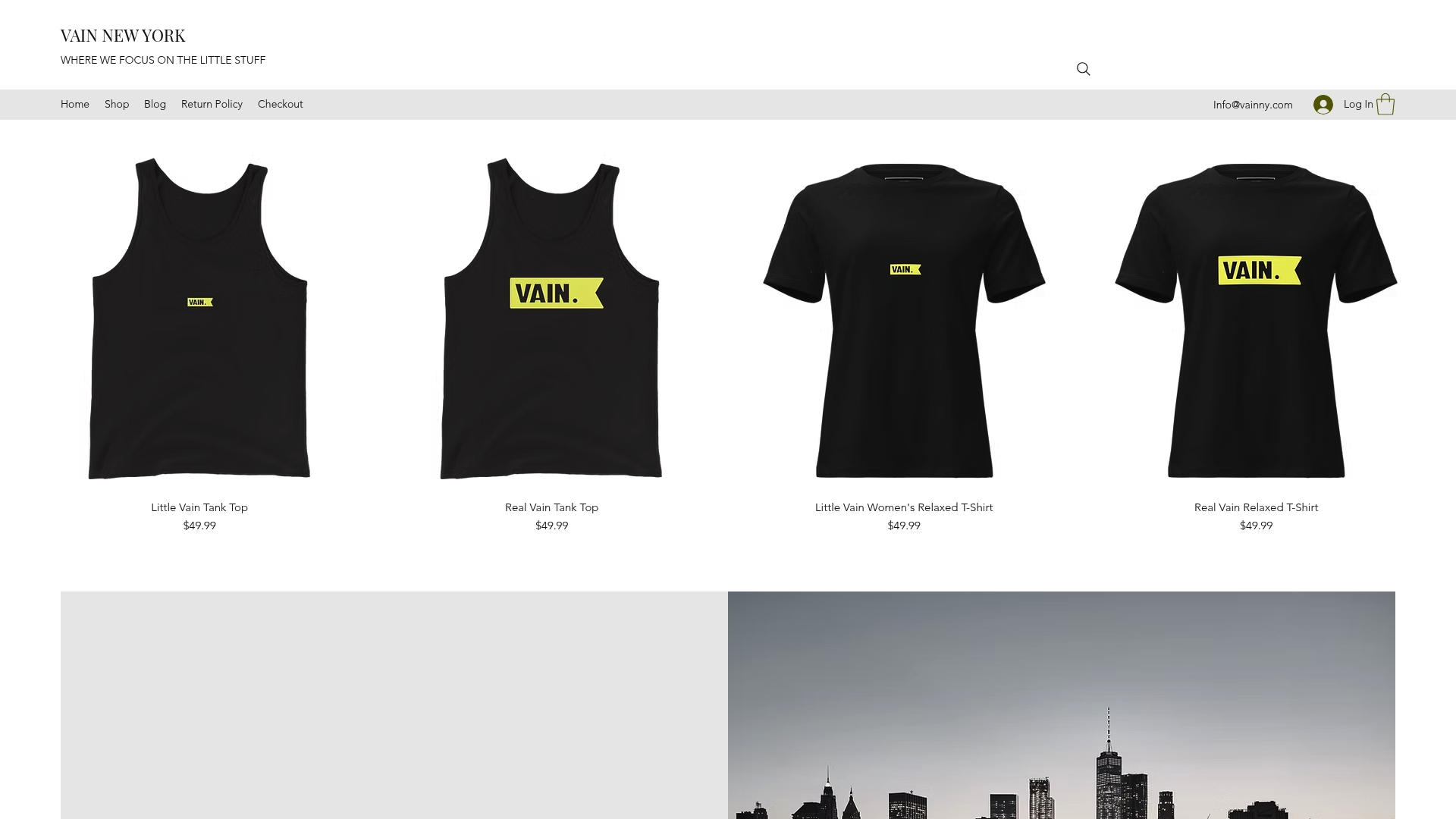
Whether you are building your first entry-level pack or putting together a collector-tier drop, the Vainnewyork shop offers a range of products with the quality and design sensibility that fans notice. From statement apparel to unique accessories, each item is crafted to carry your brand forward. Browse the full collection and find the pieces that belong in your next bundle.
FAQ
What are the five types of artist merch bundles?
The five core types are Entry, Identity, Collector, Seasonal, and Personalized. Each tier targets a different fan segment and price point, from casual buyers to dedicated superfans.
What products have the highest profit margins in merch bundles?
Digital downloads carry the highest margins, often above 90%, because there are no production or shipping costs after the initial creation. Hoodies and signed prints also deliver strong margins relative to their perceived value.
How do I price an artist merch bundle?
Price bundles by combining the production cost of each item, adding a margin target, and then testing against a good/better/best tier structure. A $20 entry bundle, a $50 identity bundle, and a $120 collector bundle gives fans clear choices and anchors spending toward the middle tier.
Should I include digital items in physical merch bundles?
Yes. Adding a digital download, exclusive wallpaper, or access code to a physical bundle raises the total margin without increasing shipping weight. It also makes the bundle feel more personal and complete.
How do I handle pre-order bundles with multiple release dates?
Communicate the shipping hold policy clearly on the product page before purchase. Fans accept delays when they are informed upfront. Silence about timelines is the primary cause of refund requests and negative feedback on pre-order drops.
Recommended
Comments