Brand Collaborator Merch Drop: Your 2026 Strategy Guide

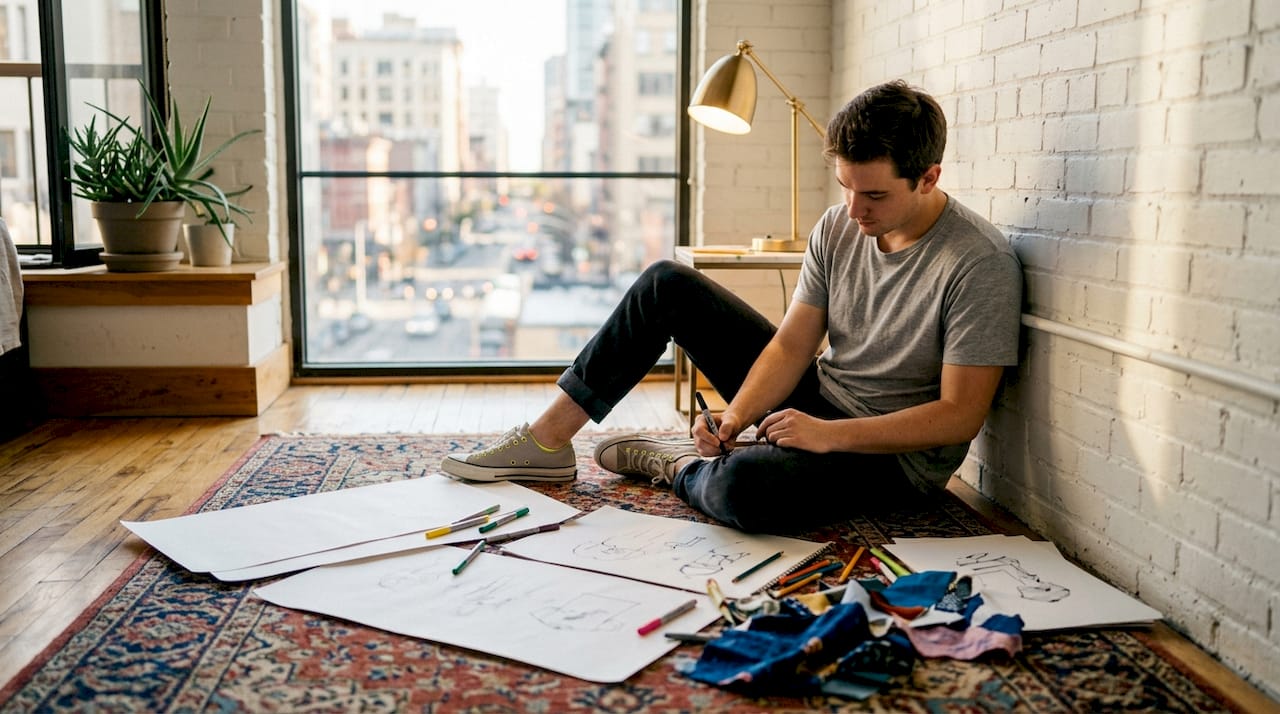
A brand collaborator merch drop is defined as a limited-edition product release co-designed by a brand and a content creator or partner, launched as a high-urgency event to engage targeted audiences through scarcity and storytelling. Unlike standard merchandise, this format treats the product release as a cultural moment. The drop lives at the intersection of brand collaboration strategy, community identity, and commerce. Think printed heavyweight tees, premium hoodies, and accessories released in tight quantities over a short window. Vainnewyork sees these drops as one of the most direct ways for brands and creators to turn shared audiences into real revenue.
What is a brand collaborator merch drop, exactly?
A brand collaborator merch drop is a limited-edition, co-created product release designed as a high-urgency event driven by scarcity and storytelling. The industry term for this format is a “collaborative drop,” and it sits within the broader category of merchandise partnerships explained through the lens of experiential marketing. Two or more parties, typically a brand and a creator or complementary label, co-design a small product collection and release it within a defined, often very short, sales window. The scarcity is intentional. The urgency is engineered. Basic printed T-shirt unit costs often land between $2.50 and $4.00 at a 500-unit minimum order quantity, making the economics accessible for first-time collaborators. That low entry cost means the real investment is in the strategy, not the fabric.
The concept differs from a standard product launch in one critical way: the audience is the co-author of the story. Fans of both collaborating parties feel ownership over the drop because their communities shaped its existence. That emotional investment drives faster purchasing decisions and stronger word-of-mouth than any paid media campaign could replicate alone.
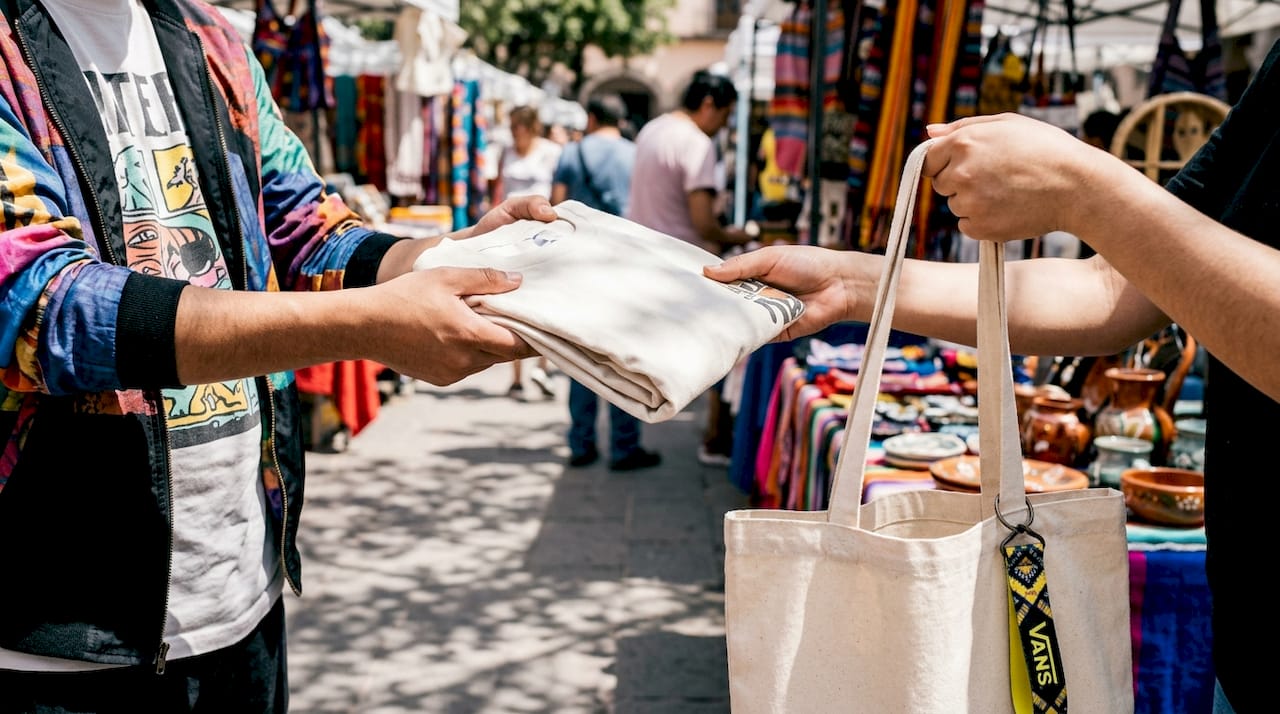
How do collaborative drops differ from traditional merch?
Traditional merchandise is always available. A collaborative drop is not. That single distinction changes every downstream decision, from production volume to marketing cadence.
Here is what separates a collaborative drop from a standard merch launch:
Scarcity is structural. Traditional merch restocks when inventory runs low. A drop sells out and does not return. That finality creates urgency that steady availability never can.
Storytelling precedes the product. The narrative of why these two brands came together matters as much as what they made. Audiences buy into the collaboration before they buy the product.
Co-design blends identities. Both parties contribute visual language, values, and community context. The result is a product that neither brand could have created alone.
Sales windows are short. Most drops run 24–72 hours for live inventory, or use a presale model with a defined close date. Extended availability dilutes the urgency.
Marketing is event-driven. Teasers, countdowns, and live-launch moments replace the standard product page update. The drop is a happening, not a listing.
Successful drops are 20% about product and 80% about experience, built through teasers, countdowns, and community engagement. That ratio reframes the entire planning process. You are not launching a shirt. You are producing an event that happens to include a shirt.
Pro Tip: Build your content calendar backward from drop day. Map out teaser posts, behind-the-scenes content, and countdown assets before you finalize the product design. The experience architecture should lead the creative process.
What are the key strategic considerations?
A successful merch collaboration requires decisions made before any design file is opened. Skipping this phase is the most common reason drops underperform or collapse entirely.
Choose partners with complementary audiences. Partnering with brands that share values but reach complementary audiences yields authentic collaborations that expand customer bases effectively. Overlapping audiences produce noise. Complementary audiences produce growth.
Define legal roles before creative work begins. Legal clarity on collaborator roles, whether co-owner, licensed partner, or marketing channel, is essential to define IP rights, royalties, and ownership of design files. Ambiguity here is the leading cause of failed collaborations.
Align on the business model upfront. Revenue share percentages, inventory risk allocation, and distribution control must be agreed upon before design begins. A 60/40 revenue split sounds simple until one party absorbs all the unsold inventory. Write it down. Sign it.
Limit your initial collection to 1–3 products. First-time collaborators should focus initial drops on 1 to 3 core products, such as a heavyweight hoodie and premium tee, to maintain quality and brand identity. Fewer SKUs mean tighter quality control and a cleaner story.
Build the launch experience as a separate deliverable. The product is one output. The launch experience, including teasers, community activations, and post-drop engagement, is another. Assign ownership for each.
Organizations with formal collaborative structures, including documented roles, shared goals, and performance metrics, achieve 34% higher partnership success rates. That number reflects a simple truth: clarity between partners translates directly into results for the audience.
Pro Tip: Use a platform like Black X to formalize deal structures, track deliverables, and manage communication between collaborating parties. Informal agreements create informal results.
How do you plan and execute a merch drop timeline?
Production timelines are the most underestimated element of any merch drop guide. Most first-time collaborators assume two weeks is enough. It rarely is.
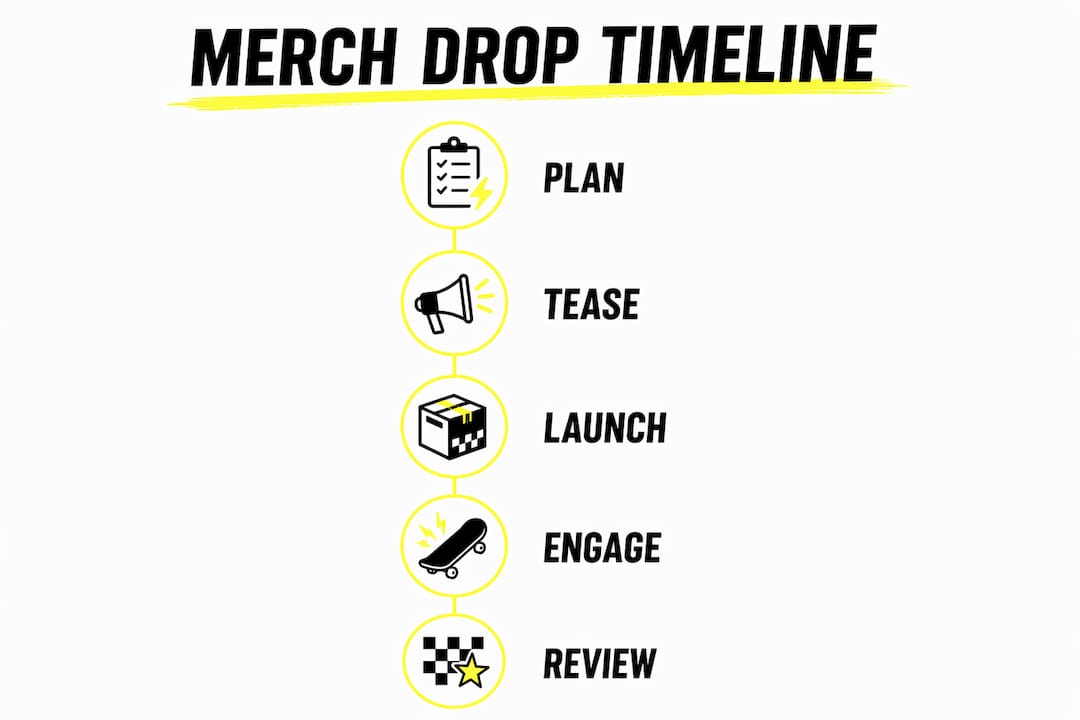
Here is a realistic sequential framework for planning your drop:
Weeks 1–2: Strategy and partner alignment. Finalize the business model, legal agreements, and product brief. Define your hero product and supporting collection items.
Weeks 3–4: Design and tech pack development. Create detailed tech packs for every product. Sample development typically requires 7–12 business days, and lacking a detailed tech pack risks delays and increased costs. A tech pack is a production blueprint that specifies materials, colorways, print placements, and sizing. Without one, your manufacturer is guessing.
Weeks 5–8: Sample review and bulk production. Review physical samples against your brief. Bulk production requires 18–22 business days once samples are approved. Build buffer time for revision rounds.
Weeks 9–10: Marketing build-out. Produce teaser content, countdown assets, and launch-day materials. Photograph products using apparel photography that captures the collaboration’s visual identity.
Week 11: Pre-launch activation. Release teasers across both partners’ channels. Engage community with behind-the-scenes content and early access signals.
Week 12: Drop day. Execute the live launch.
The table below compares the two primary sales models for collaborative drops:
Sales Model | Best For | Key Advantage | Key Risk |
Presale | First-time drops, demand validation | Zero unsold inventory | 10–12 week customer wait time |
Live inventory | Established audiences, repeat drops | Immediate fulfillment, higher conversion | Inventory risk if demand is misjudged |
Live, in-stock launches gain better conversion when timed on Fridays between 5–7 PM in the audience’s timezone. That window captures peak social media engagement and discretionary spending behavior. It is a small tactical detail that meaningfully moves conversion rates.
What do real collaborative drops look like in practice?
The most instructive examples of collaborative brand drops share one structural feature: the two parties brought genuinely different audiences to the same table. A streetwear brand collaborating with a music producer reaches both fashion consumers and music fans. A fitness creator partnering with a wellness brand reaches both active lifestyle audiences and health-conscious shoppers. The overlap is the product. The difference is the growth.
Common challenges in executing these drops include:
Unclear IP ownership. When both parties contribute design elements, who owns the final artwork? This question must be answered in writing before production begins.
Misaligned expectations on revenue. One partner may expect equal splits; the other may expect compensation weighted toward the party with the larger audience. Neither assumption is wrong. Both assumptions unchecked create conflict.
Production delays from incomplete briefs. Most collaborators underestimate production complexities. Without detailed tech packs, delays and cost overruns become common, and a hero product focus reduces inventory risk while improving quality control.
Overextended product assortments. Releasing eight products in a first drop dilutes the story and strains quality control. The strongest drops anchor everything to one hero product.
“Success in brand collaborations depends not only on product but also on shared values and aligned audiences to avoid inauthentic partnerships that consumers detect quickly.” — Brand Collaborations: Founder Advice
Experiential marketing amplifies every drop. Brands that build physical or digital events around their launch, such as a live unboxing stream, a pop-up preview, or a creator-hosted countdown, consistently report stronger community engagement and faster sell-through. The product is the artifact. The experience is the memory. Understanding how graphic design in merchandise reinforces brand identity helps collaborators make design decisions that serve both the product and the story.
Key takeaways
A brand collaborator merch drop succeeds when scarcity, storytelling, legal clarity, and complementary audiences are aligned before a single product is designed.
Point | Details |
Define the concept correctly | A collaborative drop is a co-created, limited-edition release built on urgency and shared community identity. |
Legal agreements come first | Define IP ownership, revenue splits, and roles in writing before any design work begins. |
Limit your product count | Focus on 1–3 hero products to maintain quality and deliver a clear, compelling story. |
Build the experience, not just the product | Drops are 80% experience; invest in teasers, countdowns, and community activation. |
Time your launch strategically | Friday evenings between 5–7 PM in your audience’s timezone consistently improve live-drop conversion rates. |
Why collaborative drops are the sharpest tool in brand building right now
I have watched a lot of brands treat merchandise as an afterthought. A logo on a tee, a quick print run, a link in the bio. That approach produces forgettable results because it treats product as output rather than as communication. Collaborative drops change that equation entirely.
What I find most compelling about this format is the honesty it demands. You cannot fake a good collaboration. Audiences read inauthenticity immediately, and a forced partnership does more damage to both brands than no partnership at all. The brands and creators I have seen execute this well share one quality: they chose partners they genuinely respected, not just partners with large follower counts.
The business rigor matters just as much as the creative chemistry. I have seen promising collaborations collapse because two talented parties never agreed on who owned the design files after the drop ended. That is not a creative failure. That is a planning failure. The contract is not the enemy of creativity. It is the foundation that lets creativity operate without fear.
My honest advice: treat your first collaborative drop as a proof of concept, not a flagship launch. Keep the collection tight, keep the agreements clear, and keep the experience authentic to both communities. The custom apparel choices you make in that first drop will define how both audiences perceive the partnership for every drop that follows.
— Neville
How Vainnewyork supports your next collaborative drop
Vainnewyork works with brands and creators at every stage of the collaborative drop process, from concept and co-design to sampling, production management, and launch strategy. We understand that a merch drop is a creative and commercial event, and we build both dimensions into every engagement.
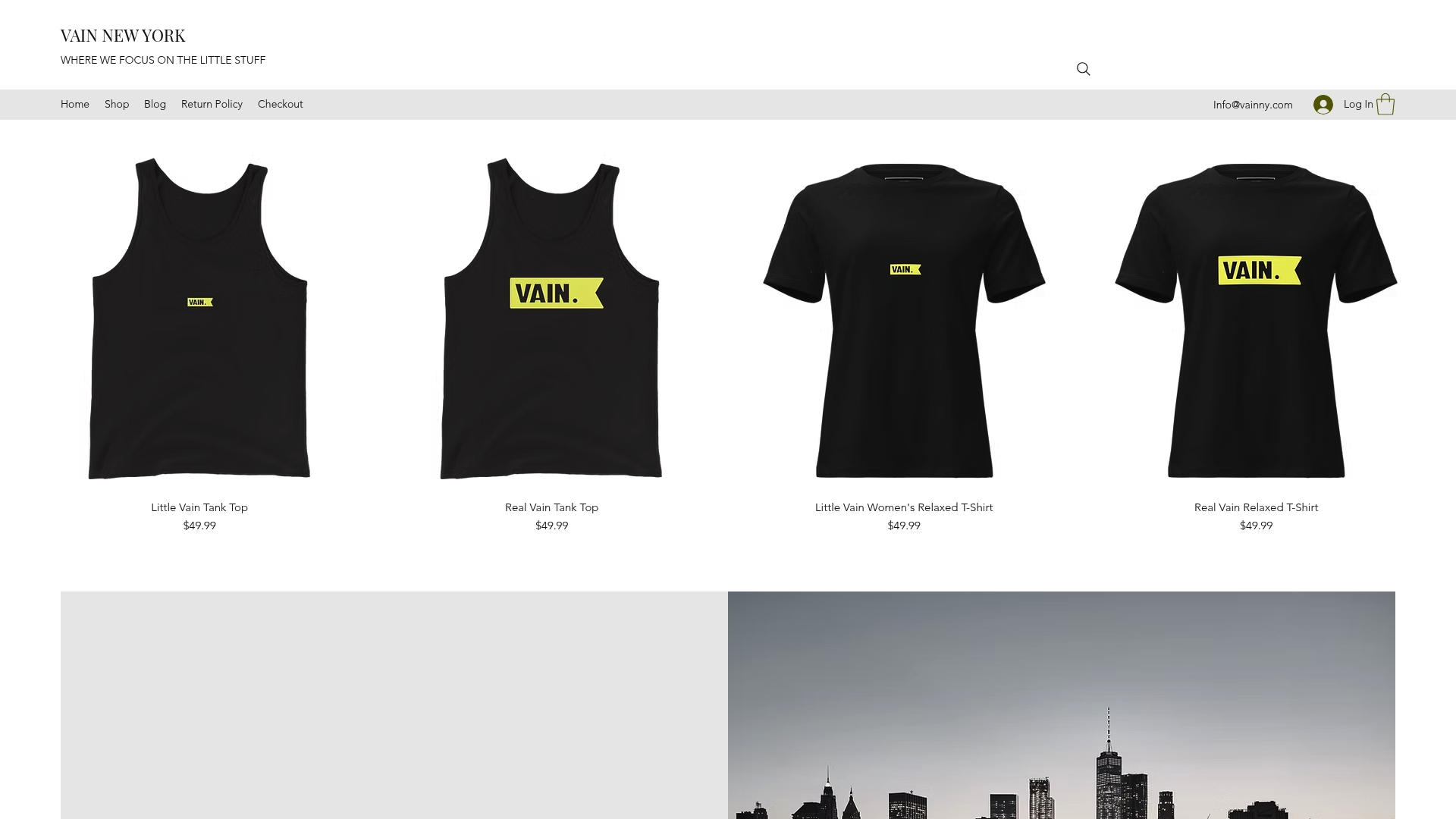
Whether you are planning your first collaborative release or scaling an existing merchandise partnership, Vainnewyork brings production expertise and brand development thinking to the table. Explore the Vainnewyork shop to see how custom apparel can anchor a drop that reflects your brand’s identity with precision and craft. We are ready to help you make it real.
FAQ
What is a brand collaborator merch drop?
A brand collaborator merch drop is a limited-edition, co-created product release designed by a brand and a creator or partner, launched as a high-urgency event using scarcity and storytelling to drive rapid sales within a short window.
How many products should a first collaborative drop include?
First-time collaborators should focus on 1–3 core products, such as a heavyweight hoodie and a premium tee, to maintain quality control and deliver a focused brand story without diluting the launch.
What is the difference between a presale and a live inventory drop?
A presale validates demand with zero inventory risk but requires customers to wait 10–12 weeks for fulfillment. A live inventory drop ships immediately and converts better when launched on Friday evenings between 5–7 PM in the audience’s timezone.
Why do collaborative drops need legal agreements?
Legal agreements define IP ownership, royalties, revenue splits, and design file rights between collaborating parties. Without them, disputes over ownership and profit allocation are the leading cause of failed merchandise partnerships.
How long does it take to produce a merch drop?
A realistic timeline runs 10–12 weeks from strategy to drop day. Sample development takes 7–12 business days, and bulk production requires 18–22 business days after sample approval, with additional time needed for marketing build-out and launch activation.
Recommended
Comments