Behind the Scenes Content: Ideas and a Plan That Works

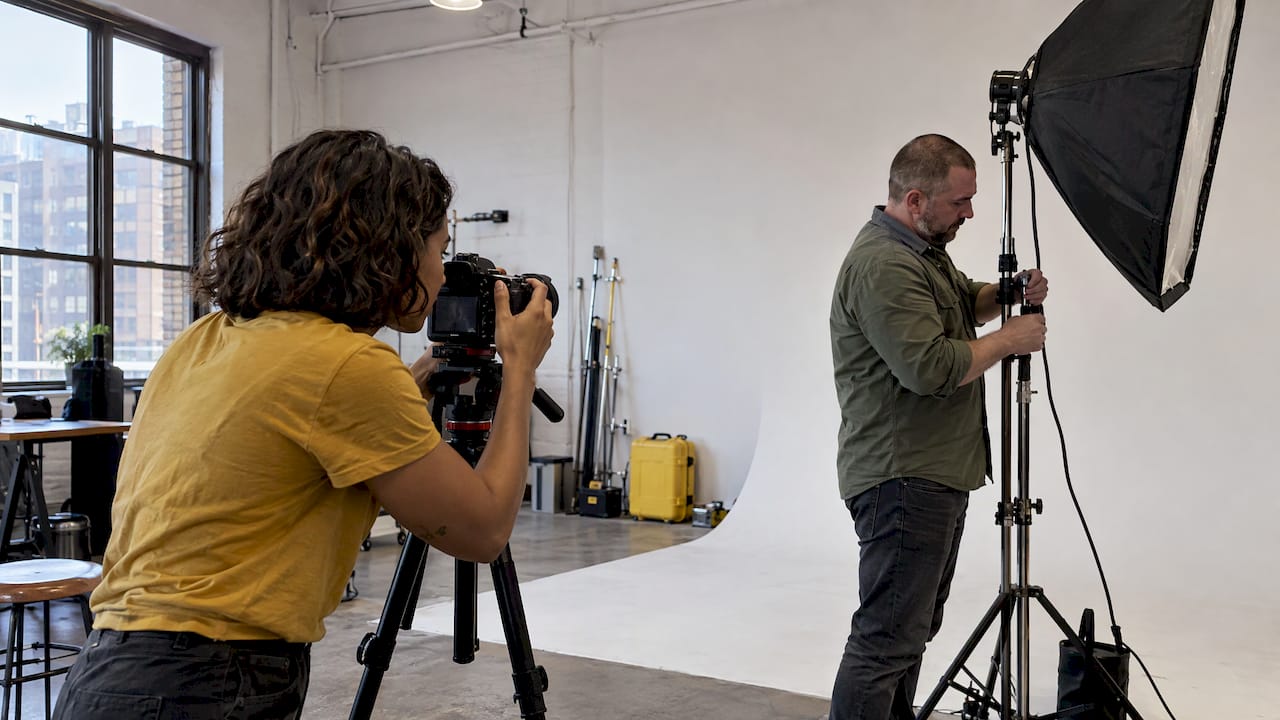
Behind the scenes (BTS) content works when it has a point of view: it shows one real part of your process, for one audience, to prove one thing about your work. Footage alone is not enough. For brands, artists and merchandise makers in New York City, the strongest BTS is planned like a small production: a clear purpose, a repeatable format, someone responsible for capturing it and a final edit shaped by a storyteller. That is how we approach it at Vain., where video, audio, animation and strategy sit under one roof.
TL;DR
BTS content gives audiences a candid look at how your products, events or productions come together, and it builds trust and brand authenticity.
Pick one thing each piece should reveal (process, standards, people or decisions) before anyone presses record.
Name a capture owner and keep a labeled archive, or the plan collapses within weeks.
Decide what stays out of frame: customer details, supplier terms, staff who decline, unreleased work.
Authentic does not mean unplanned. Shape the footage into a short story with stakes and a payoff.
Table of Contents
What behind the scenes content is, and why it works
Behind the scenes content gives people a glimpse into the inner workings of a brand: candid moments and exclusive looks at how products, services, events and productions come to fruition. Think of a sketch becoming a screen print, a rough mix becoming a finished track, or a shoot day seen from behind the monitor.
It works for three reasons.
Trust. The 2025 Sprout Social Index found that consumers want original, entertaining content that humanizes the brand, and BTS can foster transparency and authenticity.
Proof of humanity. In a feed full of AI-generated imagery, visible hands and real faces signal that someone made the thing. One social strategist argues that recurring faces become characters followers root for, and that comment sections turn into free market research.
Curiosity. Setup, obstacle, solution and reveal is a natural story shape. Viewers stay to see how it ends.
For a creative studio, a label or an apparel line, this is not a side dish. Your craft is what people pay for, so showing the craft is the most direct marketing you have.
BTS content ideas that earn attention
Most lists of ideas repeat the same core formats. Here are the ones that translate best to creative, media and merchandise businesses, with a note on what each proves.
Process videos. A manufacturing or making-of clip shows how an object comes to exist. Sprout Social’s own examples include a toilet-paper factory walkthrough and a seasonal doughnut transformation shown as before and after. Proves: quality and care.
Day in the life. A shift in a studio, a fabric-shopping run, a load-in at a venue. Proves: real people do real work here.
Meet the team and employee spotlights. One person, one specialty, one story. Proves: expertise.
Production-set sneak peeks. Lighting setups, mic placement, the monitor view. Our own guide to the departments of film production is a good map of the roles you can feature, from camera to sound to art.
Release teases. A few seconds of what is coming, shot while it is still being made.
Event coverage. Setup, rehearsal and the minutes before doors open often beat the show itself.
Bloopers and honest mistakes. Keeping blunders in the edit signals that the footage is genuine.
Founder candor. Documenting how a brand is being built can carry an entire account. One apparel-adjacent brand profiled by Planoly grew a 2.4 million-follower TikTok on that idea, with the founder posting roughly one business video for every 50 lifestyle videos, according to Planoly’s write-up.
If you are searching for BTS content ideas to shoot this week, our list of one-sentence short-form video hooks gives you formats you can film on a phone and sharpen later.
Choose the idea before you choose the camera
The most common failure is footage with no reason to exist. Forbes Agency Council members put it plainly: define the audience and intent before recording, and decide early whether the footage reveals process, standards, people or decision-making. One contributor warns that undefined authenticity becomes random footage that does not convert.
A practical way to do that:
List what customers never see. Write down the parts of your work that would surprise them: the number of test prints, the room where a track gets mixed, the hour a shoot starts.
Pick one job per piece. Ask what a viewer should believe afterward. If the answer is “nothing in particular,” cut the idea.
Run the three-line test. What is at stake, what did we decide and why, and what should the viewer now believe about our work? A clip of someone wrapping a bouquet is forgettable. The same clip captioned with the forty-minute van ride the bouquet must survive is a story, as Socialmon illustrates.
Turn the best idea into a named series. A fixed length, a fixed slot and a recognizable title give viewers a reason to return.
Timing matters too. If the footage shows a technique competitors could copy, hold it until the project is live.
Build a capture workflow that survives week four
BTS content rarely fails at the idea stage. It fails because nobody was filming on the day it mattered. One contributor to the Forbes Agency Council piece describes teams ending up with a beautiful plan and zero raw material by week four. Their fixes are simple and worth borrowing:
Assign a capture owner. One person is responsible for real-time capture on each shoot, event or production day.
Audit the frame first. Look at every visual detail before filming: stray packaging, unfinished signage, whiteboards, screens.
Shoot coverage, not just highlights. Wide shots, close-ups of hands, tools, faces and short interviews give an editor options.
Keep a searchable archive. Label clips by theme, person, product stage and approval status so the right clip is findable and cleared before it is posted.
On a professional shoot, this is where a production partner earns its place. Our video production guide walks through the planning that makes capture on a busy day possible, and a plan for the content you create each quarter keeps BTS tied to launches instead of floating on its own.
Keep it authentic without leaving it to chance
Authentic does not mean unplanned. Reporting on a Pepperdine professor’s research describes authenticity as a kind of strategic performance: avoid staging, choose and prepare personable team members to speak for the brand, and keep exchanges genuine rather than over-scripted.
Three habits help:
Show the journey from concept to completion. Viewers connect with the arc, not just the finished object.
Put real people in front. Skip the corporate voice and let the person doing the work explain it.
Let someone with narrative skill do the edit. One agency leader argues the best BTS is intentional and cinematic, shaped by someone who can build a story rather than only document moments. That matches how we see it: the footage is the raw material, and the cut is where the meaning is made.
Polish is optional. Production quality is not what makes this content land, so a phone, decent audio and a clear idea can carry a piece. Sound is the exception worth protecting: a muffled voice loses a viewer faster than a soft image does.
Safeguards before you post
BTS puts your workspace, your clients and your team on camera, so decide what stays out of frame before filming. The usual list: customer names, addresses and order numbers; supplier prices and contract terms; staff who prefer not to appear; and anything shot at a regulated or private site that needs written permission. Before posting, pause on the busiest frame and scan its edges for screens, labels and documents.
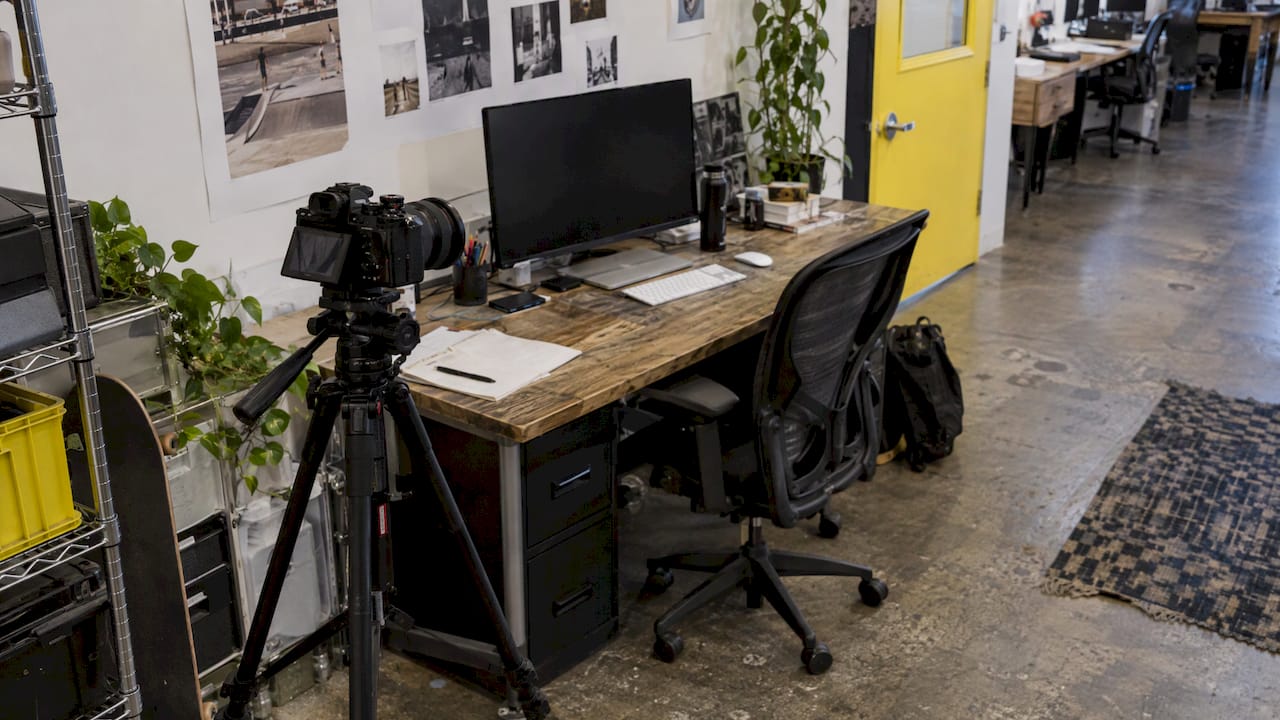
Some privacy also makes the experience better. The same Marketing Brew piece notes that Harley-Davidson has run public factory tours since 2008, while a theme park never shows the backstage costume changes. Choose what you open up on purpose.
Three more checks apply to creative work specifically:
Unreleased work. Music, designs and edits in progress belong to artists and clients too. Confirm approval before a teaser goes live, and read about privacy in studio collaboration when sessions and files are shared across a team.
Venues. Events and shows set their own rules for cameras and recording, so venue camera policy limits should be checked before you plan event coverage.
Paid partnerships. If a creator or ambassador is paid to show your product, the FTC expects disclosure to be clear and conspicuous, not buried in a pile of hashtags, according to InfluencerDB’s summary of US guidance. For specific legal questions, such as releases, music rights or influencer contracts, ask an attorney.
Where Vain. fits
We are a creative media and technology company working as a creative consultancy and production company, with a growing network of collaborators across content creation, marketing strategy, brand development and audience growth. Our services cover video, audio, animation and strategy, so the BTS plan, the shoot, the sound and the edit can be handled together for brands, artists and organizations in New York City and beyond.
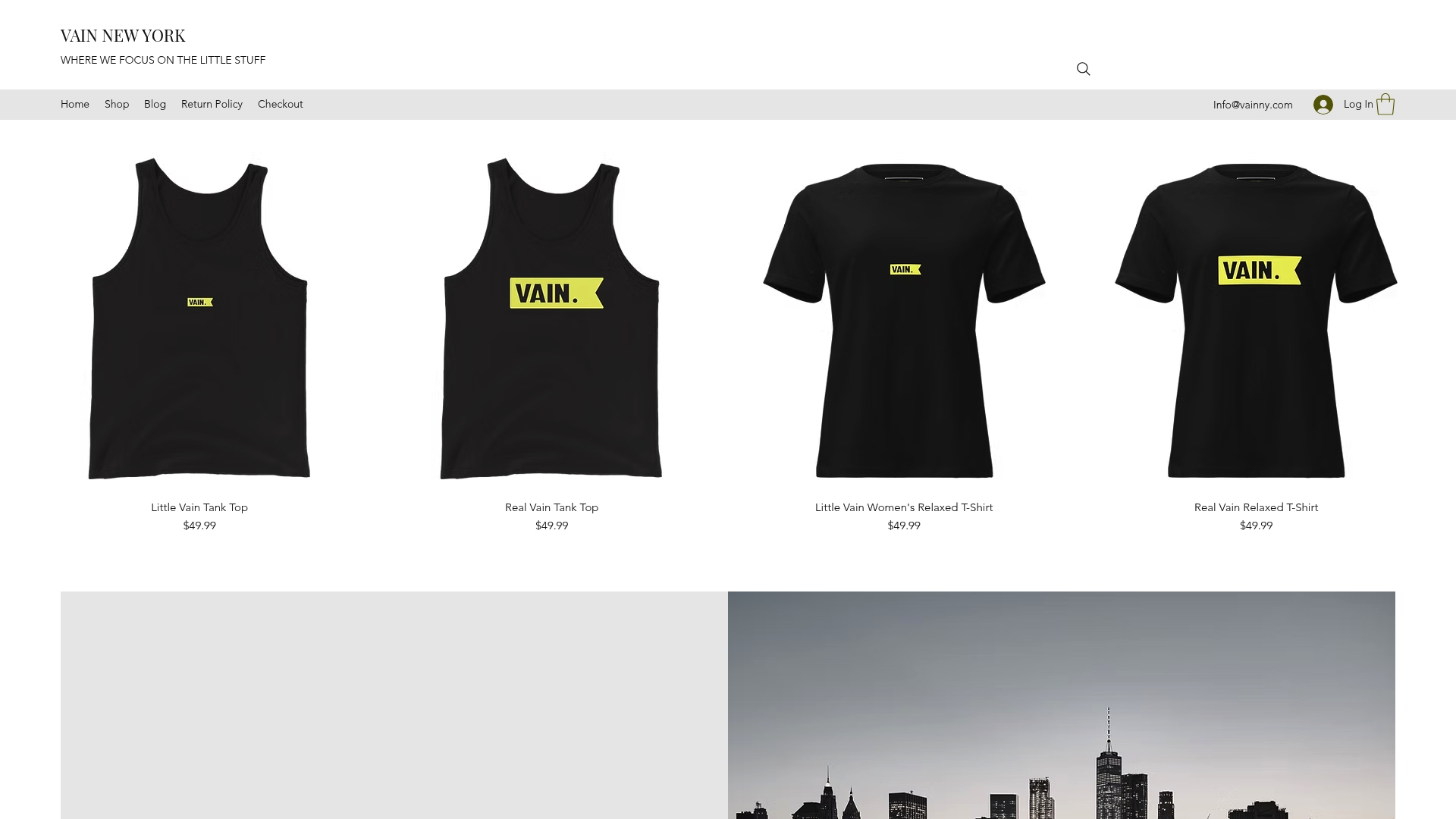
We also make branded merchandise to order, from studio tees at $59.99 to the Studio Hoodie at $99.99. Making-of content for a capsule drop is a natural story: the design, the sample, the final piece.
If you want a behind the scenes series planned and produced as part of a larger campaign, start at Vain.'s services page and tell us what you are making.
Our perspective
We believe the ordinary becomes extraordinary when people can see the care inside it. Every project has a tapestry of talent behind it: the cinematographer shaping light, the sound designer building the room, the editor finding the heartbeat of a scene. Behind the scenes content is how an audience meets those people. That is why we treat BTS as part of the production, not an afterthought. When it is planned alongside the shoot, someone is there to capture the right moment, the story is clear, and the footage reflects the intentional, collaborative way the work is made. It is also why we pair it with strategy: a series with a purpose, a format and a place in your content marketing strategy will always outperform scattered clips. Our collaborators bring video, audio, animation and strategy to the same table, and we think that shows on screen. If your brand has a process worth admiring, we would love to help you show it. Vain.
FAQ
What is behind the scenes content?
It is content that shows how a brand’s products, services, events or productions are made, usually through candid footage, team introductions and process clips. It humanizes the brand and builds trust by letting people see the work and the people behind it.
What are examples of behind the scenes content?
Common examples include process videos, day-in-the-life clips, team spotlights, studio or set tours, event setup coverage, release teasers, bloopers and before-and-after transformations. For a creative studio, a shoot-day timelapse or a mix session is a natural fit. For an apparel line, the path from design to finished garment works well.
How do I create BTS content that feels authentic?
Start with one clear purpose, such as showing your process or standards. Put real team members on camera without heavy scripting, keep honest moments in the edit and give each piece a small story with stakes and a payoff. Plan the capture so it is not left to chance.
How often should I post behind the scenes content?
Consistency matters more than volume. Turn your best idea into a named series with a fixed length and a regular slot, then capture enough raw footage at each shoot or launch to feed it. A labeled archive makes that sustainable.
Sources
Recommended
Comments