Animation vs Live Action: How to Choose the Right Format


The honest answer to “which is better” is that neither wins on its own: live action is strongest when your story depends on real people, real places and real products, and animation is strongest when your idea is abstract, invisible, impossible to film or has to live in many versions and languages. The better format is the one your message needs, and for many New York brands the best answer is a deliberate mix of both. We make video, animation, audio and strategy at Vain., so we see this decision from both sides of the camera and the workstation.
TL;DR
Live action captures the real world with a camera, crew and performers. Animation builds every frame inside software, so you control everything and must design everything.
Choose live action for trust, human emotion, real products and testimonials. Choose animation for abstract ideas, software, data, fantasy and content you will update often.
Costs depend on scope, not on the format label. In New York, live action carries extra line items such as permits, locations and talent; animation carries design and frame-by-frame labor.
Mixed formats, such as live footage with animated graphics, often solve problems neither format solves alone.
Table of Contents
What actually separates the two formats
Live action is footage of real people, objects and places recorded by a camera. Animation is moving imagery created from scratch, drawn, modeled or composed by artists. Both end up as the same kind of finished video file, ready for the same screens and platforms.
The difference sits in the middle of the process. According to AnimationXpress, live action is shot by a camera operator working under a director of photography and a director, then assembled in editing software, while animation is created directly in software, with layers and assets as the main tools. That one distinction explains most of what follows.
It also changes who does the work. The same source describes the camera operator as a technician realizing the director’s vision, and the animator as an artist who creates movement from nothing, usually with more individual effort at a workstation. We would put it more warmly: live action is a tapestry of talent gathered on one day, and animation is a slow, deliberate act of authorship.

Where the time goes
A live-action project front-loads logistics: casting, location, schedule, crew, equipment. Shoot days are expensive and fixed, so the creative decisions must be settled before they arrive. After the shoot, editing, color and sound turn the footage into a story.
An animation project front-loads design: script, storyboard, style frames, then animatic, then the animation itself. Each stage is approved before the next begins, because changing a finished scene is costly. If you want to see the stages in order, our guide to the animation pipeline steps every project follows walks through them, and animatic vs storyboard explains the moment a static plan becomes timed motion.

Storytelling and emotion
Live action carries a built-in promise of reality. A human face, a real kitchen, a genuine reaction: viewers read these as evidence. That is why founder stories, customer testimonials, event recaps and behind-the-scenes films tend to work in live action. Faces do heavy lifting that is hard to replicate.
Animation carries a different promise: imagination. A character can be anyone, a place can be anywhere, and an idea can be shown as a shape, a color or a metaphor. Animation can make an invisible system visible, such as how a payment moves or how a supply chain connects. It also ages gracefully, because a stylized world does not date the way a particular outfit or street corner does.
Both can move people. Live action reaches emotion through performance; animation reaches it through design, timing and sound. In animation, a half-second pause or a musical swell does the work an actor’s glance would do on set. This is why audio is never an afterthought for us: it is the emotional heartbeat of a piece in either format.
Creative flexibility and control
Live action gives you the unplanned: the light that falls just so, the laugh that was not scripted. It also gives you weather, noise, late talent and a clock that runs on someone else’s schedule.
Animation gives you total control. Every color, gesture and background is chosen. Nothing appears in the frame by accident. The price of that control is that nothing appears for free either: a crowd, a skyline and a sunset each have to be built.
Flexibility after delivery differs too. A live-action film is largely fixed once shot. Reworking a line of dialogue may mean a reshoot or careful editing. An animated piece built in layers can be revised more readily at the asset level: swap a product, adjust a color, localize on-screen text. The earlier you lock the script, the more this advantage pays off.
Cost and timeline without the myths
Published price ranges for both formats vary enormously, and a single number per minute rarely survives contact with a real brief. Treat any “animation is cheaper” or “live action is cheaper” claim with caution. What matters is what your particular project requires.
What tends to drive live-action cost:
Crew size and shoot days
Talent and usage rights
Locations, travel and insurance
Permits and equipment
Editing, color and sound after the shoot
What tends to drive animation cost:
Style: flat 2D graphics, character animation, 3D and mixed media sit at very different effort levels
Length and number of unique scenes
Character and environment design
Revisions after approval of the storyboard or animatic
Voiceover, music and sound design
The New York factor
If you shoot on city streets, permits are a real line item. The Mayor’s Office of Media and Entertainment states that film permit fees are $500 for each consecutive 14-day period or portion, based on your requested start and end dates. Add location fees, crew rates and liability insurance, and a one-day shoot can grow quickly. We lay out these items for product work in our NYC product video budget guide.
For animation, the equivalent surprise is revision. A change at the script stage costs minutes. A change after final animation can mean redoing days of work. Our breakdown of what explainer video animation actually costs shows how style and length move the total.
A useful rule: if a project needs many locations, many people or a real product in a real setting, live action gets expensive fast. If it needs many scenes, many characters or many invented environments, animation gets expensive fast. Match the format to the type of complexity you actually have.
When live action is the right call
Choose live action when:
People are the proof. Customer stories, founder messages, team culture and expert interviews work because the audience sees someone real.
The product must be seen as it is. Fashion, food, hardware and anything where texture, fit or scale sells the item. For apparel in particular, the way fabric moves on a body is hard to replace.
Place matters. A New York storefront, a studio, a street, a venue: the setting is part of the brand.
Speed to capture beats polish. Events, launches and live moments happen once.
Short-form social is a natural home for live action. If you are planning vertical clips, reels formats for musicians show how many distinct shot structures fit into a few seconds, and the same thinking applies to brands.
When animation is the right call
Choose animation when:
The idea is abstract. Software, finance, data, processes and services have no natural camera subject.
The world does not exist. Fantasy, futuristic or historical settings, impossible camera moves and stylized characters.
You need many versions. Animated text, voiceover and assets can be updated for new languages, products or regions without gathering a crew again.
Your brand wants a distinct visual identity. A custom illustration style or character becomes an ownable asset across campaigns.
Privacy or logistics rule out filming. Sensitive topics, remote teams and hard-to-access locations.
If you are weighing styles inside animation, 2D vs 3D animation is the next decision: 2D tends to suit clean explanations and graphic identity, while 3D suits products, depth and spaces.
A quick decision table
Your situation | Lean toward | Why |
Customer testimonial or founder message | Live action | Real faces build trust |
Explaining software or a process | Animation | Makes the invisible visible |
Showing apparel or a physical product | Live action | Fit, fabric and scale are visible |
Content updated often or in many languages | Animation | Assets can be revised without a reshoot |
Event or one-time moment | Live action | It happens once |
Brand character or ownable style | Animation | Builds a reusable visual identity |
Real product plus an idea to explain | Mixed | Footage proves it, animation explains it |
Combining both formats
The sharpest choice is often not either/or. Live footage can carry animated titles, diagrams, callouts and transitions. Animated sequences can sit between interview clips to illustrate what a speaker describes. A character can be composited into a real setting, or a real object can be drawn over.
When you combine, plan for three things:
A single visual language. Color grade, typography and motion style should read as one piece, not two clips pasted together.
Early planning. Decide at the storyboard stage where footage leaves off and animation begins, so the shoot captures the plates and framing the animators need.
Sound as the glue. A consistent music bed and voiceover tie sections together more than any transition effect.
We go deeper on blending techniques in our guide to mixed media animation, including examples and planning steps. And if you are mapping which video types your marketing calendar needs, nine corporate video types and how to repurpose each helps you see where each format earns its place.
How to decide in five questions
What is the one thing the viewer should feel or do? Trust a person, understand an idea, buy a product.
Is the subject visible? If a camera can see it, live action is an option. If not, animation is.
How long will the video live? A piece you will update for a year favors animation. A moment in time favors live action.
Where will it play? Think about sound-off social feeds, web pages, events and presentations, and design for that context.
What can you approve and when? Live action needs decisions before the shoot. Animation needs them before each production stage.
If two answers point in different directions, that is your signal for a hybrid.
Our perspective
Every project we take on starts with the same belief: ordinary ideas become extraordinary when the process around them is intentional. The format is a tool inside that process, not a badge. We lean on a curated network of collaborators, which means a project can draw on the right mix of directors, animators, sound designers and strategists rather than forcing one skill set to cover everything. That is exactly what the animation versus live action question calls for. The decision is rarely about which medium is more impressive. It is about which one carries your message to your audience with the least friction and the most feeling. We also think the choice should be made together with strategy, not after it. When the brand story, the audience and the distribution plan are clear, the format often announces itself, and when it does not, a blend of the two usually does the job. Treat the camera and the animation software as two instruments in the same orchestra. Vain.
Bring the question to us
If you are a brand, artist or organization in New York City weighing these formats, we handle video, audio, animation and strategy under one roof, from the first creative conversation through delivery. Bring your message, your audience and your rough timeline, and we will help shape the format around them.
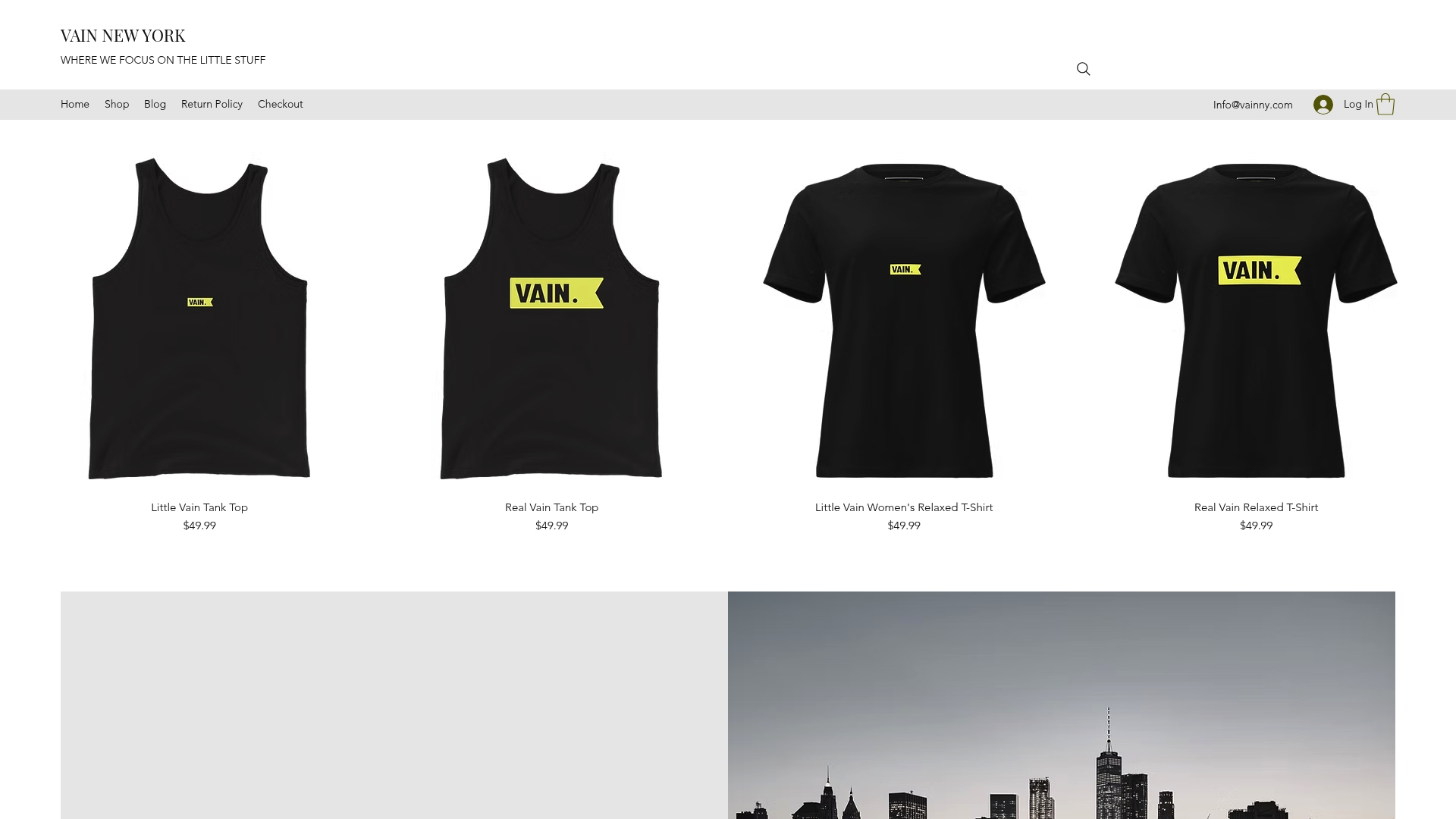
We also make branded apparel to order, from studio tees to hoodies, for people who like to wear the culture behind the work. You can browse the Studio Hoodie and the rest of the range on our site.
FAQ
Is animation cheaper than live action?
Not automatically. Live action adds crew, talent, locations and permits, while animation adds design and production labor for every scene. A simple animated explainer can cost less than a multi-location shoot, and a complex animated film can cost far more than a one-day interview. Compare scope, not format.
Which is better for a brand video, animation or live action?
It depends on the message. Live action suits trust, people and physical products, and animation suits abstract ideas, software and content you will update. Many brands get the strongest result by combining footage with animated graphics.
Can I mix animation and live action in one video?
Yes, and it is common. Plan the mix at the storyboard stage so the shoot captures what the animators need, and keep color, type and sound consistent so the video feels like one piece.
Do I need a permit to shoot in New York City?
Often, for filming on public property. The city’s film office sets a $500 fee for each 14-day period or portion of a permit, so your shoot dates affect the total. Check the official page for current requirements before you schedule.
Sources
Recommended
Comments