Personal Branding: Build Your Career Identity in 2026


Personal branding is defined as the intentional, ongoing practice of shaping how you are perceived professionally and socially to advance your career and influence. Nearly 70% of hiring managers use social media profiles to screen candidates before any formal interview. That single fact changes everything about how you show up online. The Harvard 7-step personal branding framework treats this practice as a structured transformation: from defining your purpose and auditing external perception, to crafting a narrative, embodying your values, and continuously evolving your identity. Professionals who treat their brand as a living asset, not a static resume, consistently outpace those who do not.
What are the foundational elements of personal branding?
A strong personal brand rests on five core pillars: purpose, authenticity, consistency, audience focus, and platform discipline. Each one reinforces the others. Neglect one, and the whole structure weakens.
Purpose is the clearest starting point. You need to define what you want to be known for and why it matters to the people you serve. A product manager who wants to be known for making complex data accessible to non-technical teams has a purpose. A generalist who wants to be “known for being good at their job” does not. Specificity is what makes a brand memorable.

Authenticity means your brand reflects your actual values and behaviors, not an aspirational persona you cannot sustain. Value demonstration builds trust far more effectively than self-promotion. Professionals who lead with what they can do for others, rather than how impressive they are, build demand naturally.
Consistency is the mechanism that turns recognition into trust. Brand identity elements including visual style, tone of voice, and core values must appear uniformly across every platform and communication. A LinkedIn post that sounds nothing like your personal website creates cognitive dissonance for anyone researching you.
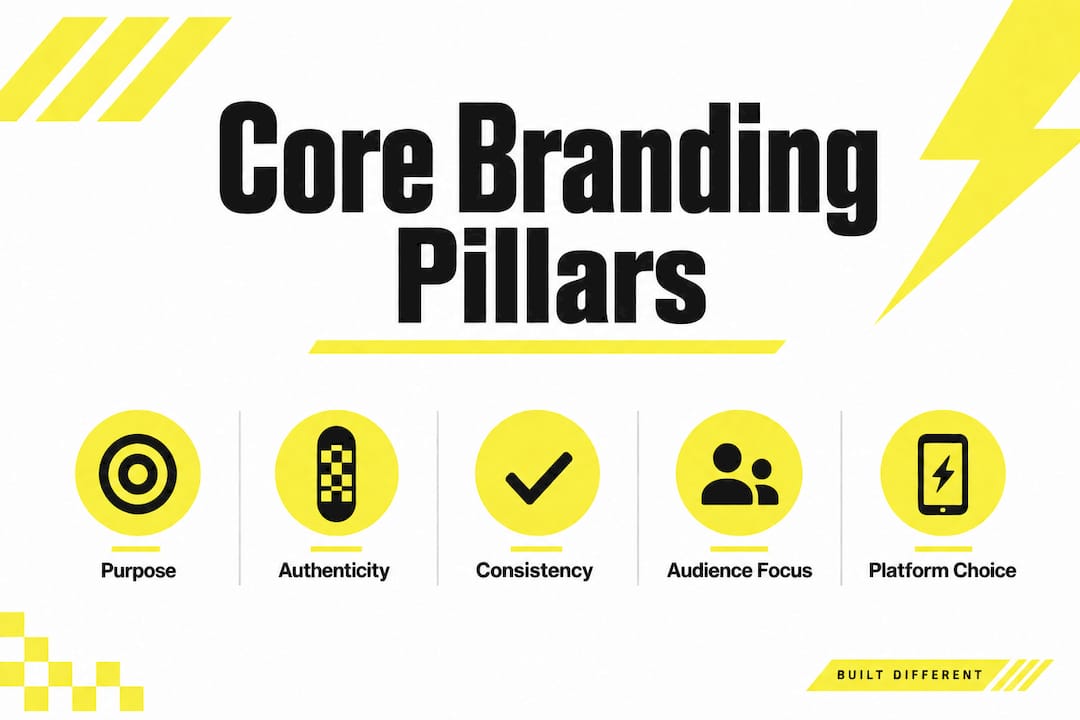
Audience focus means choosing who you are speaking to and tailoring your message accordingly. A career coach targeting mid-level managers communicates differently than one targeting recent graduates. Platform discipline follows from this: master one or two channels deeply rather than spreading thin across six.
Pro Tip: Pick your primary platform based on where your professional audience already spends time. LinkedIn works for most corporate professionals. Substack or a personal newsletter works for thought leaders. Instagram works for creatives. Trying to win everywhere at once produces mediocre results on all fronts.
How do you audit your personal brand for accuracy?
The most effective starting point for any brand-building effort is an honest audit of what others already perceive. Searching your own name in a private browser reveals exactly what hiring managers and collaborators see first. Most professionals are surprised by what appears, and what does not.
A structured audit has four steps:
Run a private-mode search. Type your full name into Google without being logged in. Note the first five results. Those results are your current brand, whether you built them intentionally or not.
Gather structured feedback. Ask three to five people across different contexts: a senior mentor, a peer, and someone you have managed or mentored. Use anonymous survey tools to get honest responses. Ask them to describe you in three words and name one thing you are known for.
Audit your digital touchpoints. Check your LinkedIn profile, personal website, and any published content. Look for narrative gaps or contradictions. Discrepancies between these platforms commonly cause lost opportunities because they signal inconsistency to anyone doing due diligence.
Identify the gap. Compare what you want to be known for with what your audit reveals. That gap is your work.
Pro Tip: When gathering feedback, avoid asking “What do you think of my brand?” Ask instead: “If you had to describe my professional strengths to someone who had never met me, what would you say?” Specific prompts produce specific, useful answers.
How do you craft a personal brand narrative that resonates?
A compelling personal brand narrative is built on two things: external validation from your audit and a clear articulation of your core purpose. Without both, the story either rings hollow or fails to connect with the right audience.
The Hero’s Journey framework offers a proven structure for personal brand storytelling. You are not the hero who has all the answers. You are the guide who has faced a real challenge, learned from it, and now helps others navigate the same terrain. This framing builds credibility and relatability simultaneously.
Your Personal Value Proposition (PVP) is the one-sentence version of your brand narrative. It answers three questions: who you help, what problem you solve, and what makes your approach distinct. A strong PVP sounds like this: “I help early-stage founders build investor-ready financial models without needing a finance background.” That sentence is specific, audience-focused, and differentiated.
Once you have your narrative and PVP, apply them consistently across every channel:
LinkedIn: Your headline and About section should reflect your PVP directly.
Personal website: Use your narrative as the foundation of your About page and homepage copy.
Newsletter or blog: Each piece of content should reinforce your core expertise and point of view.
Social media: Posts should reflect your values and voice, not just your accomplishments.
A content strategy built around your brand narrative turns visibility into authority. Publishing consistently on your chosen platform compounds over time. Each piece of content is a data point that tells your audience who you are and what you stand for.
Channel | Primary purpose | Key brand element |
Professional credibility | PVP in headline and About | |
Personal website | Owned narrative control | Full story and portfolio |
Newsletter | Audience relationship | Voice and recurring expertise |
Social media | Visibility and reach | Values and point of view |
How do you build a network that amplifies your brand?
Strategic networking is not about collecting contacts. It is about building relationships with people who can validate, extend, and amplify your brand in contexts you cannot reach alone. The GIPC framework organizes this into four relationship categories: authority figures who can vouch for your credibility, peers who can collaborate and refer, influencers who can extend your reach, and communities where your audience already gathers.
Quality matters far more than quantity here. Ten genuine relationships with people who understand your work produce more career impact than 500 LinkedIn connections who barely remember your name. Targeted, intentional relationship-building is the only kind that moves a brand forward.
Practical ways to activate your network for brand amplification include:
Guest articles and podcasts: Appearing in established publications or shows borrows their audience’s trust and extends your reach.
Collaborative projects: Co-creating content with peers signals that respected professionals want to work with you.
Community participation: Showing up consistently in industry forums, conferences, or online groups builds familiarity before any formal introduction.
Referral cultivation: Making introductions for others first creates reciprocal goodwill that pays forward.
Your social media approach should reflect this network strategy. Engaging with others’ content, commenting with genuine insight, and tagging collaborators in relevant posts all reinforce your brand while strengthening relationships.
Pro Tip: Before any networking event or outreach, identify one specific person you want to connect with and one specific value you can offer them. Showing up with something to give, not just something to gain, sets you apart immediately.
How and why should you evolve your personal brand over time?
A personal brand is not a fixed asset. Iterative brand updates preserve authenticity and relevance as your career goals and market conditions shift. Professionals who treat their brand as a one-time project stagnate. Those who treat it as an ongoing practice stay current and credible.
A practical evolution process follows four recurring steps:
Review engagement metrics quarterly. Track which content resonates, which platforms drive real conversations, and where your audience is growing. Data tells you what your brand is actually communicating, not just what you intend.
Revisit your purpose annually. Career goals change. A brand built around one role may not serve you in the next. Revisit your PVP every year and ask whether it still reflects where you are headed.
Update your digital touchpoints. Refresh your LinkedIn headline, website bio, and portfolio to reflect current work and goals. Outdated profiles signal stagnation.
Manage transitions deliberately. When shifting industries, roles, or focus areas, communicate the change as a natural evolution of your story, not a contradiction of it. Narrative continuity preserves trust.
Signals that your brand needs attention include:
Inbound opportunities no longer match your current goals
Your content feels disconnected from your actual expertise
Peers describe you in terms that no longer fit your direction
Your online presence reflects a version of you from two or more years ago
Owning your digital real estate through a personal website or newsletter gives you a stable platform that social media algorithms cannot disrupt. Social platforms change their rules constantly. A personal website does not.
Key Takeaways
A strong personal brand requires purpose, consistent narrative, honest external validation, and deliberate evolution across owned and social platforms.
Point | Details |
Define your purpose first | Identify what you want to be known for before building any platform presence. |
Audit before you build | Search your name privately and gather structured feedback to close perception gaps. |
Narrative consistency builds trust | Align your LinkedIn, website, and content so every touchpoint tells the same story. |
Network with intention | Use the GIPC framework to build relationships that validate and extend your brand. |
Evolve on a schedule | Review your brand quarterly and update your digital touchpoints at least once a year. |
What we have learned about personal branding the hard way
The most common mistake we see professionals make is treating personal branding as a performance. They craft a polished persona, post consistently for six weeks, then burn out because the version they are projecting does not match who they actually are at work. Authenticity is not a soft concept. It is a structural requirement. A brand you cannot sustain will collapse under scrutiny, and scrutiny always comes.
The second mistake is over-relying on social media as the foundation. Social platforms are rented land. Algorithms shift, accounts get restricted, and audiences migrate. Professionals who invest in owned assets like a personal website or a newsletter retain control of their brand regardless of what any platform decides. Vanessa Errecarte makes this point clearly: social media is one engine, not the whole vehicle.
What actually works, in our experience, is starting small and specific. Pick one platform. Write about one clear area of expertise. Show up consistently for 90 days. The professionals who do this build more credibility in three months than those who scatter their energy across five channels for a year. Visual branding matters too. Your profile photo, color palette, and design choices communicate before your words do.
Personal branding is a career-long investment. The professionals who treat it that way are the ones who get called first, trusted fastest, and remembered longest.
— Vain.
Your personal brand deserves a visual identity to match
Building a compelling professional identity goes beyond words on a screen. The way you present yourself visually, in every context, sends a signal before you say a single thing.
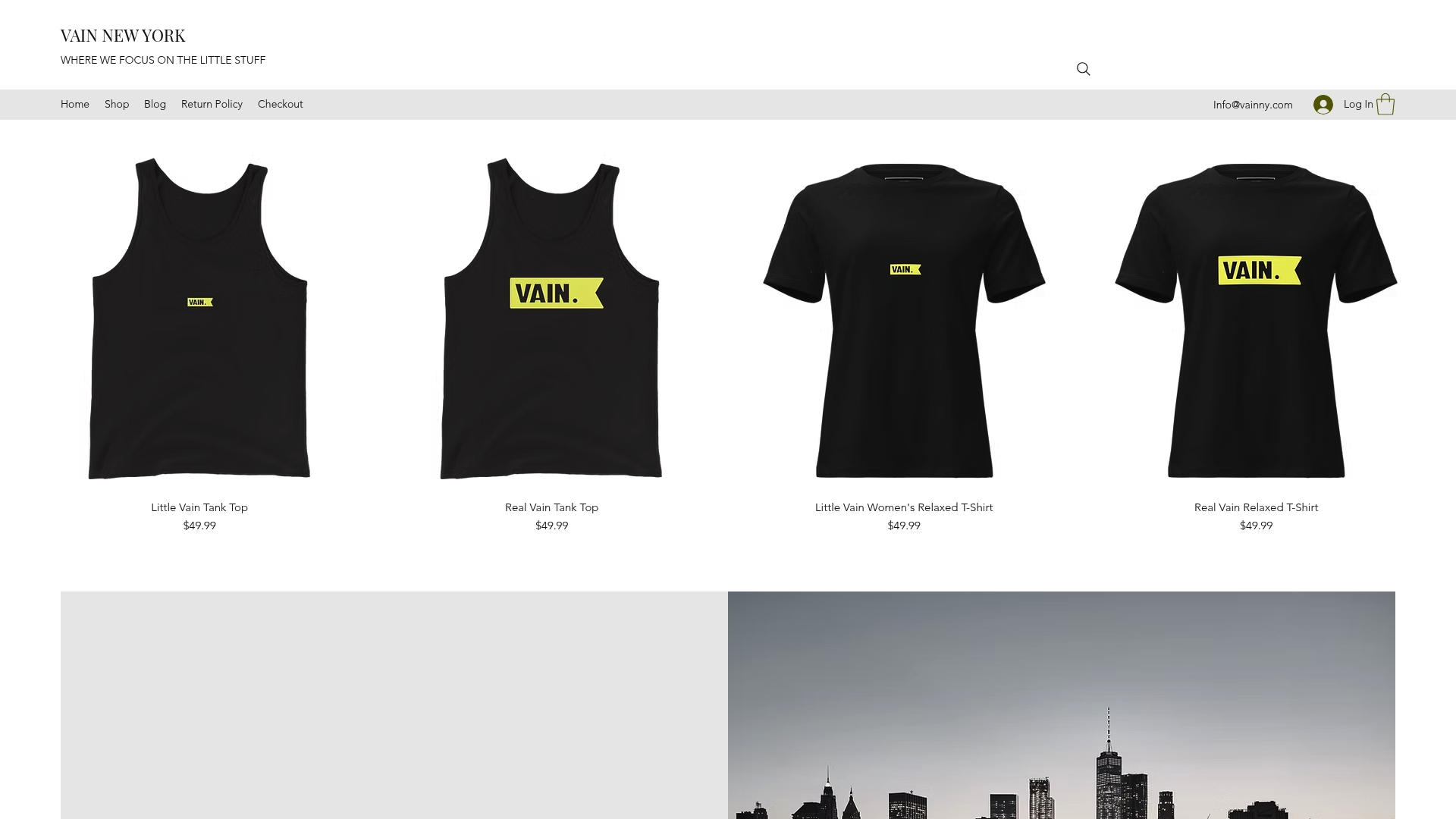
At Vainnewyork, we believe that confidence and style are part of the brand you carry into every room. Our curated collection is designed for professionals who understand that personal image management extends into every dimension of life. The Little Vain Auburn One-Piece Swimsuit is one example of how intentional design choices communicate who you are without explanation. When you are ready to align your visual presence with the brand you are building, explore the full shop and find pieces that speak for you.
FAQ
What is personal branding, exactly?
Personal branding is the intentional practice of shaping how others perceive your professional identity to advance your career and influence. It includes your online presence, narrative, visual identity, and the value you consistently demonstrate to your audience.
Why do hiring managers care about personal branding?
Nearly 70% of hiring managers screen candidates through social media profiles before formal engagement. A well-managed brand signals professionalism, credibility, and clarity of purpose before any interview begins.
How do I start building my personal brand from scratch?
Start with a digital footprint audit: search your name privately and note what appears. Then define your core purpose and Personal Value Proposition, choose one primary platform, and publish consistently around your area of expertise.
How often should I update my personal brand?
Review your engagement metrics quarterly and revisit your core narrative annually. Update your LinkedIn profile, website bio, and portfolio whenever your career goals or focus areas shift significantly.
What is the biggest personal branding mistake professionals make?
The most common mistake is treating personal branding as self-promotion rather than value demonstration. Professionals who lead with what they offer others build trust and demand far more effectively than those who focus on their own accomplishments.
Recommended
Comments