Creative Direction vs Art Direction: What Sets Them Apart


Creative direction decides what a project says and why; art direction decides how it looks and feels. The creative director holds the big idea and the brand vision, and the art director turns that idea into layouts, imagery, type and motion with a team of designers. Both lead people, both shape the final work, and in small studios one person often does both jobs. Below we explain where the line falls, where it blurs, and how to tell which one your project needs.
TL;DR
Creative direction is the overarching strategy and vision; art direction is the visual execution of that vision.
Creative directors usually lead the whole creative team and answer to clients and company leadership. Art directors lead the visual and design teams.
The titles are not always a ladder. Some employers treat them as equals, while on many teams the art director reports to the creative director.
In small teams the roles are often combined. As teams grow, separating them gives each leader a sharper focus.
If you are briefing a project, start by naming whether you need a vision-setter, a visual builder, or both.
Table of Contents
The short answer: vision versus visual execution
Picture a film set. Someone decides what the story is about and what the audience should feel when the lights come up. Someone else decides what the world looks like: the palette, the texture of the wardrobe, the weight of a title card. Those are two different crafts, and they depend on each other.
That is the difference in a sentence. The creative director focuses on the big picture, meaning overarching concepts and brand vision, while the art director focuses on visual execution and design details. One sets the destination. The other draws the road and supervises the people paving it.

A second way to say it: creative directors act as the “brain” of a project, handling high-level decisions, brand consistency and narrative integrity, while art directors act as the “hands” managing day-to-day visual production. The metaphor is tidy, though real work is messier, and we will get to that.
What creative direction means
Creative direction is the overarching strategy and vision guiding a project, campaign or brand identity. It is the thread that keeps a video, a social campaign, a packaging line and a launch event feeling like one story instead of four unrelated assignments.
The creative director is the senior leader who sets that vision. According to the same guide, the role involves managing teams of creative professionals, overseeing budgets and timelines, and making sure final deliverables align with the client’s or company’s goals.
What a creative director does day to day
Frames the idea. They translate a business problem into a concept: what we are saying, to whom, and in what tone.
Guards consistency. Messaging, voice and look stay coherent across channels and over time.
Leads the team. They lead the creative team and set the tone for its design philosophy and creative approach, usually across copy, design, video and production.
Works upward and outward. Creative directors work closely with company leadership and clients, which means they are also translators between business goals and creative work.
Signs off. They approve projects before the company delivers them to the client.
If you want to see how a vision gets built into a brand look, our guide to visual branding strategy shows where creative direction ends and design systems begin.
What art direction means
Art direction is the discipline of making a concept visible. An art director determines the artistic elements and visual style of a project, manages staff and oversees their work, and may develop budgets and timelines.
The U.S. Department of Labor’s occupational database is more granular. It says art directors formulate layouts and specify details such as type, photographs, graphics, animation, video and sound, and direct artwork or layout workers. That list is useful, because it shows how far the role reaches beyond “making things pretty.” Sound, motion and typography are all in scope.
What an art director does day to day
Builds the visual language. Color, typography, photography style, illustration, motion principles.
Directs the makers. They lead the visual and design teams and oversee artistic elements: designers, illustrators, photographers, motion artists.
Protects the details. Crop, kerning, grade, frame rate, the small decisions that decide whether the work feels crafted.
Keeps execution tied to the concept. Every asset should trace back to the idea the creative director set.
We love this craft. Art direction is where chiaroscuro, composition and rhythm stop being vocabulary and become choices someone has to make at 11 p.m. before a deadline.
Creative direction vs art direction at a glance
Creative direction | Art direction | |
Core question | What are we saying, and why? | How should it look and feel? |
Focus | Concept, brand vision, narrative | Visual style, layout, imagery, motion |
Leads | The whole creative team | Visual and design teams |
Talks most with | Clients and company leadership | Designers, and often the creative director |
Typical output | Creative strategy, approved concepts, final sign-off | Style guides, layouts, art-directed assets |
Altitude | The whole map | Eye level |
The table is a model, not a law. Titles vary by employer, and a job post can blend both columns.
Is a creative director higher than an art director?
Often, yes, but not always. Some employers consider the two roles equivalent in seniority, while in other organizations art directors report to the creative director. The reporting line usually follows from the sign-off: the creative director is accountable for the total work reaching the client, and so tends to sit above the visual lead.
The better question is scope, not rank. A creative director’s scope is the idea and every form it takes. An art director’s scope is the visual form. An art director at a large agency may manage a bigger team and budget than a creative director at a five-person studio, and the titles say nothing about that.
Where the two roles overlap
The boundary is soft by design. Creative directors set the direction, while art directors work with design teams to execute it, and that handoff only works when both sides are in constant conversation.
Overlap shows up in a few predictable places:
Concept development. Art directors often pitch visual ideas that reshape the concept. Many strong campaigns began as an image, not a sentence.
Reviews. Both give feedback on work in progress, from different angles: does it say the right thing, and does it look right?
Budgets and timelines. Both descriptions above list budgets and schedules among the responsibilities, so each leader needs production sense. Our production management playbook covers how to keep that tidy.
Storytelling. Visual decisions are narrative decisions. Even something as technical as how directors use aspect ratio changes shows how a framing choice carries meaning, which is why the story lead and the visual lead have to see the same picture.
Healthy teams treat the overlap as a feature. Creative direction without visual craft stays abstract. Art direction without a concept becomes decoration.
How team size changes the roles
In a freelance project or a small studio, one person usually carries both hats. They write the idea, pick the palette and review the edit. That works well, and it is often the fastest route from brief to finished piece.
As teams grow, the roles pull apart. Guidance on the topic notes that in smaller agencies the roles may be combined, but separating them is ideal when possible so leadership can be more focused.
The nature of the creative director’s work also shifts. In a Design Week interview, leaders at Porto Rocha described how experienced creative directors move away from hands-on creation toward fostering the team environment, delegating and giving focused feedback rather than controlling every detail. Their view: the strength of a senior creative director comes from empowering the team and making room for disagreement, not from dictating every visual element.

That is a useful picture of mature creative direction. A senior team can be handed a loose, constrained prompt and trusted to run with it, much like the format behind creative video challenges, where a clear frame sparks varied, original work. The director’s job is the frame and the feedback, not every brushstroke.
A quick way to tell which setup you have
Team situation | What usually happens |
Solo creator or tiny studio | One person holds vision and visual execution |
Small team with a design lead | Design lead acts as art director; founder or lead acts as creative director |
Larger team with multiple channels | Creative director sets cross-channel direction; art directors lead visual work per channel or discipline |
Which one does your project need?
Start with the problem, not the title.
You need a creative director when the question is unclear or contested: what should this brand say, how do we launch, how do video, audio and social pieces fit together? You want someone accountable for the whole.
You need an art director when the idea is set and the look is not: a campaign concept needs a visual system, a video needs a style, a product line needs a coherent identity.
You need both for anything spanning several formats, audiences or teams. One sets the north star, the other makes sure every asset points to it.
If you are hiring, define the remit and the measures of success before you read portfolios. We wrote about that in how to hire a creative director using remit and KPIs. If you are deciding between building a team and bringing in outside talent, creative collective vs agency lays out the trade-offs by type.
Our perspective
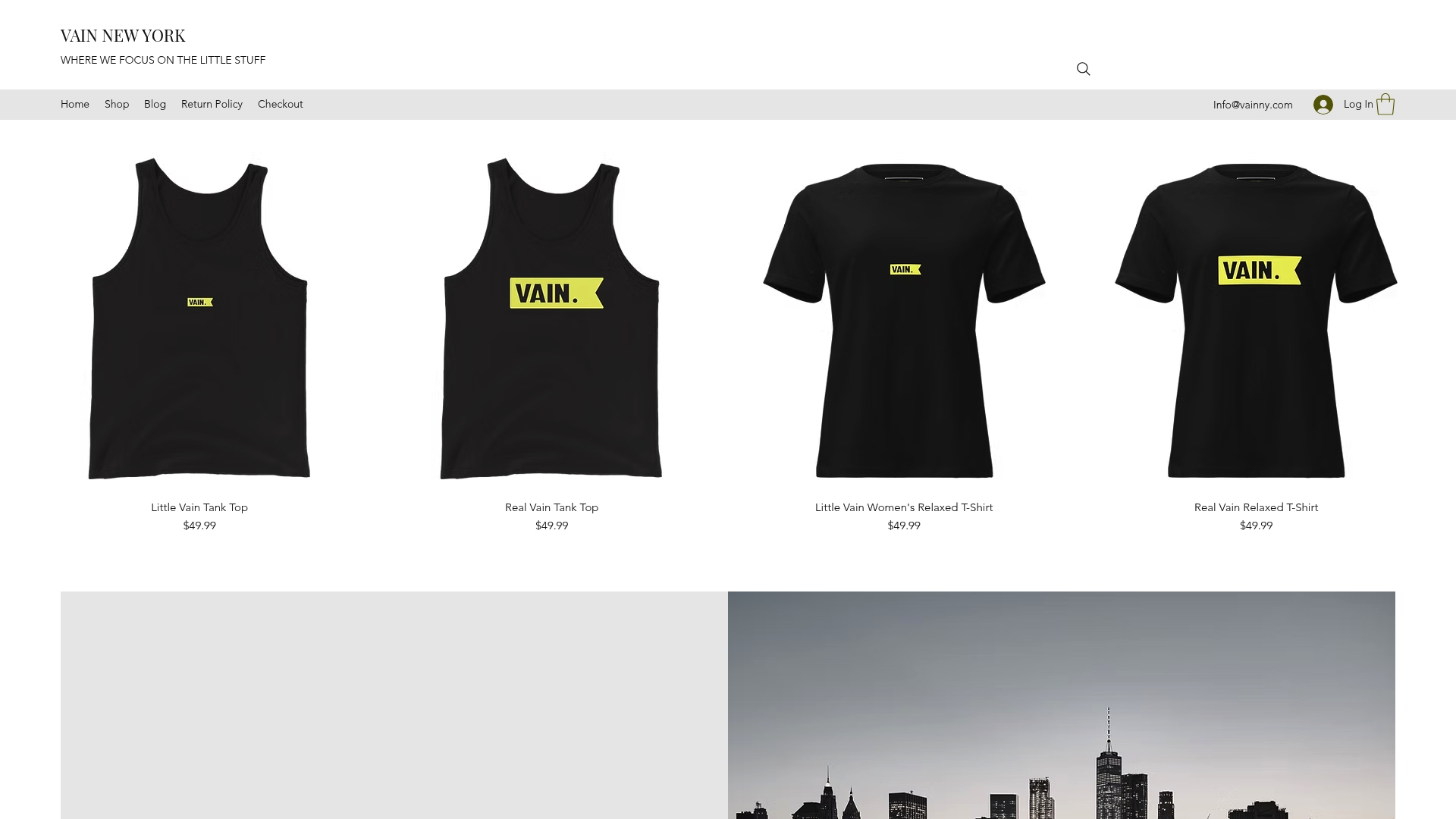
We think the most useful way to understand these two roles is as a conversation, not a hierarchy. Vision gives the work its reason to exist. Visual craft gives it a face. When either is missing, audiences feel it, even if they cannot say why. At Vain., we describe ourselves as a creative media and technology company that makes the ordinary extraordinary through content, collaboration and culture. In practice that means we treat direction as a shared process: a clear idea up front, a curated network of collaborators in the middle, and careful, intentional execution at the end. Our video, audio, animation and strategy work is built so that the concept and the craft are developed together, not handed off like a relay baton. That is also how we approach our made-to-order merchandise. A tank top or hoodie is a small piece of brand identity, and it deserves the same attention to concept and finish as a film. If you are unsure whether you need a vision-setter, a visual builder or both, bring us the problem. We will help you shape the brief so the right talent is in the right seat. Vain.
Work with us on your next project
If your project needs direction, whether that is a concept, a visual system or the whole chain from strategy to final cut, we can help. Our team works across video, audio, animation and strategy, drawing on a growing network of collaborators to match each project with the right craft.
Tell us what you are trying to make and who it is for, and we will help you map the roles it needs. Explore our creative production and strategy services to start a project.
FAQ
What is the difference between creative direction and art direction?
Creative direction sets the overarching concept and brand vision, while art direction handles the visual execution of that concept. The creative director leads the whole creative effort, and the art director leads the visual and design teams. Creative directors set the direction and art directors work with design teams to execute it.
Is a creative director higher than an art director?
Usually the art director reports to the creative director, but not on every team. Some employers treat the two as equivalent in seniority. Scope is the clearer difference: the creative director owns the whole idea and its sign-off, and the art director owns its visual form.
What does a creative director do?
A creative director sets the vision for a campaign, project or brand, leads the creative team, and keeps the work aligned with client goals. They also oversee budgets and timelines and approve work before delivery. Much of the job is guiding people and decisions rather than making every asset.
What does an art director do?
An art director defines the visual style of a project and directs the designers, illustrators and other makers who produce it. Federal occupational data describes the work as specifying layouts, type, photographs, graphics, animation, video and sound. The role keeps every asset faithful to the concept.
Can one person be both?
Yes, and in small studios it is common. In smaller agencies the roles may be combined. As the team and the number of channels grow, splitting them gives each leader a clearer focus.
Sources
Recommended
Comments