Partner with NYC Apparel Manufacturers: 2026 Guide
- Vain.

- Jun 19
- 8 min read
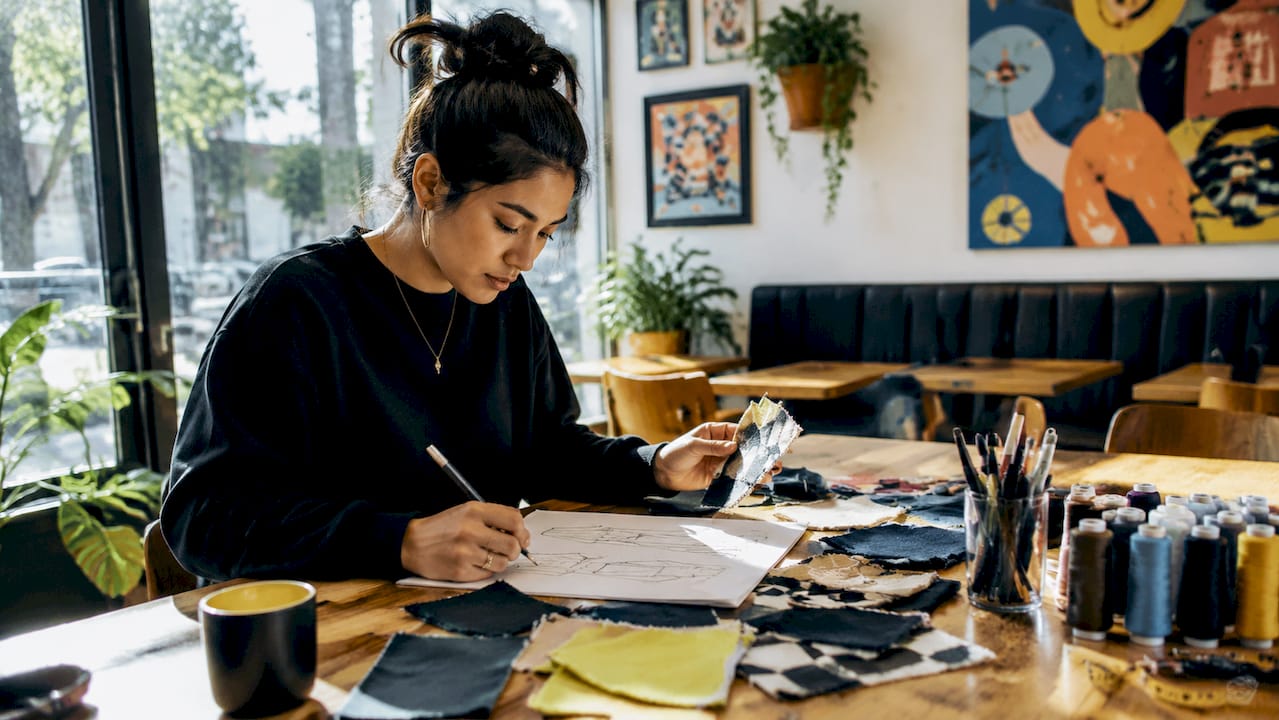
Partnering with NYC apparel manufacturers is defined as establishing a direct production relationship with New York City’s network of garment factories, technical studios, and sourcing specialists to bring your clothing line to market. When you work locally, you gain flexible production tiers, faster lead times, and direct technical collaboration that overseas factories rarely offer. Studios like Activewear Manufacturer USA, Nile Hudson New York, and Beautiful Connection Group represent the kind of specialized partners that give emerging designers a real competitive edge. This guide walks you through every step, from understanding production minimums to building the communication systems that keep your line moving.
What production tiers and MOQs do NYC apparel manufacturers offer?
NYC apparel manufacturers offer production tiers starting at 50 pieces for sample orders, scaling to bulk runs of 5,000 or more units. That range means a brand at any growth stage can find a workable entry point without overcommitting capital. Fashion Atlas Group reports minimum order quantities around 60 pieces with average delivery times of 14 days for finished goods. A 14-day lead time is a significant advantage over overseas production cycles that often run 60–90 days.
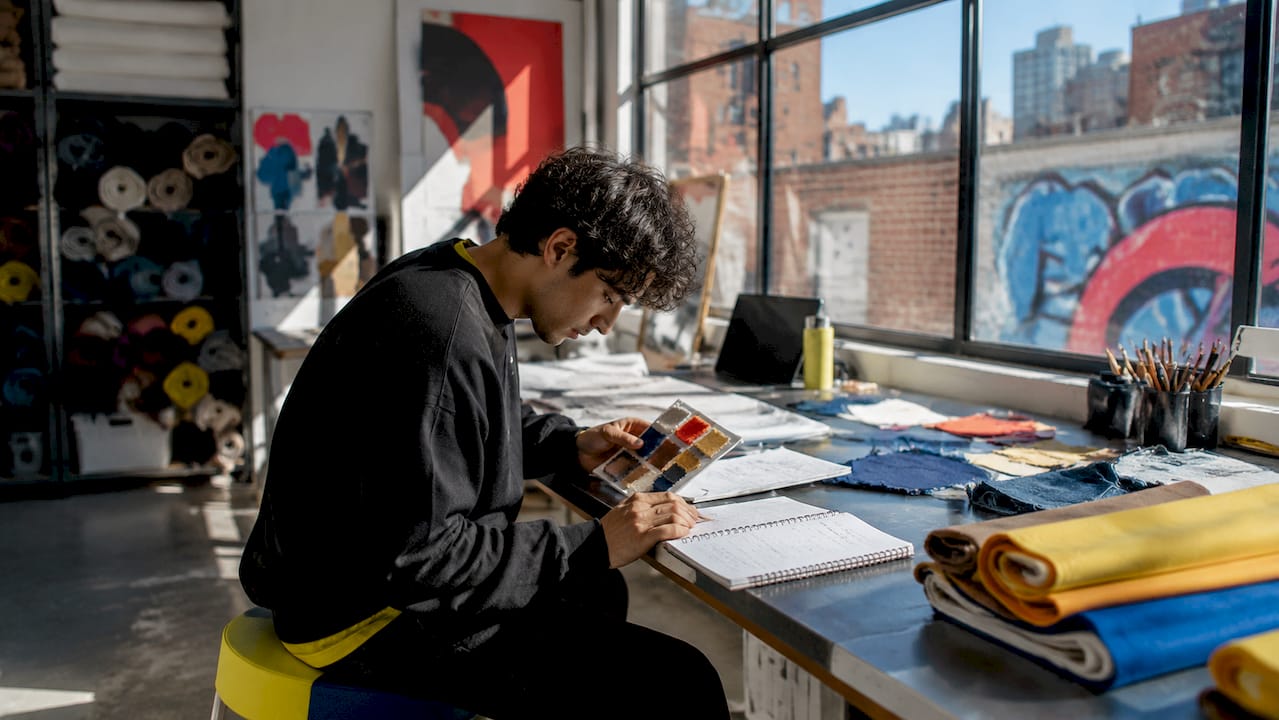
Understanding which tier fits your brand stage is the first real decision you make as a production partner. A pilot run of 50–100 pieces lets you test fit, fabric, and market response before committing to a larger investment. Mid-tier runs of 500–1,000 pieces suit brands that have validated their product and are building wholesale accounts. Bulk runs above 5,000 units are reserved for brands with confirmed retail or e-commerce velocity.
Production Tier | Typical MOQ | Estimated Lead Time | Best For |
Sample / Pilot | 50–60 pieces | 14 days | New collections, fit testing |
Mid-Run | 500–1,000 pieces | 3–5 weeks | Validated products, wholesale |
Bulk Production | 5,000+ pieces | 6–10 weeks | Scaled retail, e-commerce |
Sample tiers let you test market demand without large upfront costs.
Mid-runs are ideal for brands entering boutique wholesale channels.
Bulk runs require confirmed demand signals before committing.
Pro Tip: Request a quote before finalizing your tech pack. Most top NYC studios process quote requests within 24 hours, so you can align your budget with your production tier early in the process.
How to select the right NYC apparel manufacturing partner
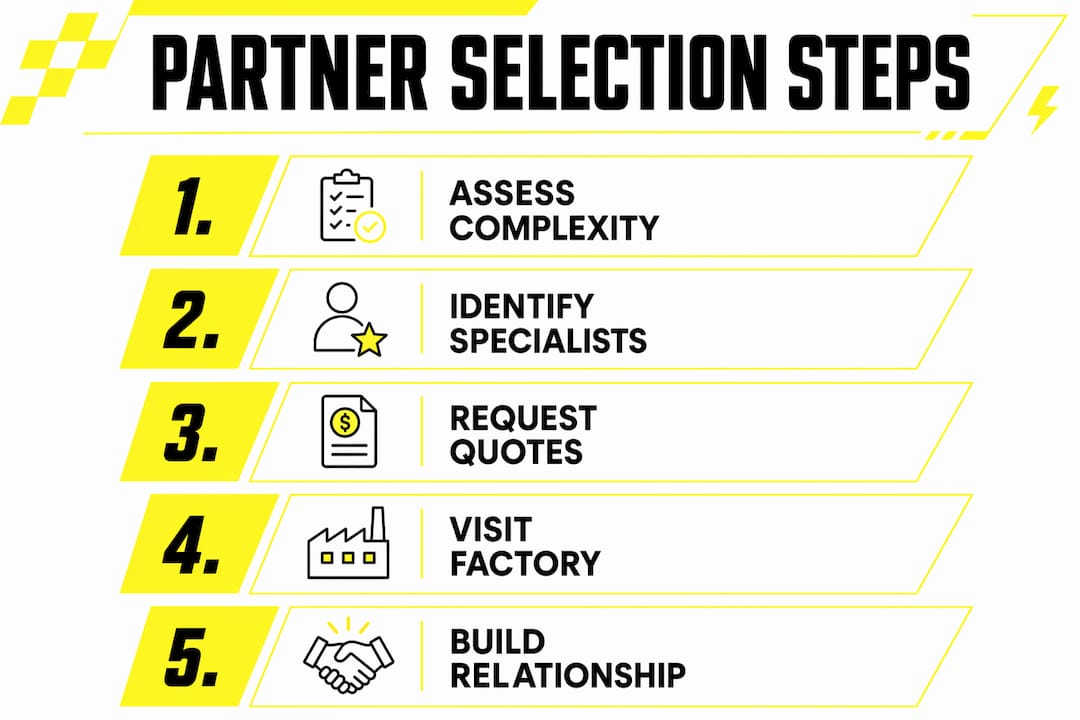
Selecting the right manufacturing partner starts with an honest assessment of your product’s construction complexity. A basic T-shirt and a four-way stretch activewear set require entirely different technical capabilities, and not every NYC factory handles both. Nile Hudson New York frames this clearly: brands should view manufacturers as contributors of critical expertise, not just order fulfillment services. That shift in perspective changes every conversation you have with a potential partner.
When evaluating apparel manufacturing partners in NYC, look for these qualities:
Technical specialization. Confirm the factory has direct experience with your product category, whether that is swimwear, outerwear, or performance activewear.
Direct communication. Eliminating brokers and agents keeps order management under one roof and reduces cost and miscommunication.
Willingness to give technical input. The best partners flag construction problems before sampling, not after.
Credibility verification. Ask for client references, visit the facility in person, and review samples from past production runs.
Scalability. Confirm the factory can grow with you from pilot runs to mid-tier production without a complete handoff to a new vendor.
The difference between a manufacturer and a production partner is the quality of the conversation. A manufacturer takes your order. A production partner tells you when your design is not manufacturable at the margin you need. Nile Hudson and similar NYC studios operate in that second category, and that is where your brand benefits most.
Pro Tip: Never skip the in-person factory visit. Seeing the floor, meeting the technical team, and reviewing their equipment tells you more about a factory’s real capabilities than any portfolio or website.
How to prepare your designs for NYC production
Technical preparation is the single most controllable factor in whether your first production run succeeds or fails. Manufacturers expect detailed technical guidance or paid engineering services to translate aesthetic designs into durable, scalable garments. Walking into a factory with mood boards and rough sketches is the fastest way to burn through your sampling budget.
A production-ready tech pack includes the following:
Fiber-level fabric specifications. List the exact fabric composition, weight in grams per square meter, and stretch recovery percentage for performance fabrics.
Detailed construction notes. Specify seam types, stitch counts per inch, and finishing methods for every panel.
Graded size specifications. Provide a complete size run with measurements at every grade point, not just a single sample size.
Colorway and trim details. Include Pantone color references, hardware specifications, and label placement diagrams.
Compliance requirements. Note FTC labeling requirements, care instruction standards, and any certifications your product needs.
Converting design intent to manufacturable garments requires deep collaboration between designers and technical apparel engineers. This is where production consultants earn their value. Beautiful Connection Group’s Emerging Designer Support Program exists precisely because costly sampling errors are the leading reason early-stage brands stall before reaching market. Engaging a consultant before your first factory meeting is not an added expense. It is insurance against a much larger loss.
Margin integrity is another preparation step most designers skip. Before you finalize your tech pack, calculate your target cost of goods at each production tier and work backward from your retail price. If the construction you have designed cannot be produced at a margin that sustains your business, you need to know that before sampling begins, not after.
Pro Tip: Use a production consultant for your first two collections, even if you have manufacturing experience. The NYC market has specific expectations around tech pack format and communication protocol that differ from overseas production norms.
What communication practices keep NYC manufacturing partnerships on track?
Effective communication is the operational backbone of any successful NYC clothing production relationship. Local manufacturing provides timezone-aligned communication, direct management without third parties, and regulatory compliance advantages that remote production cannot replicate. When your factory is in the same city, a fit issue that would take two weeks to resolve overseas gets corrected in an afternoon.
The following practices keep production partnerships running without costly delays:
Set a weekly check-in cadence. A 30-minute call or in-person meeting covers sample status, material delivery, and any open technical questions before they become problems.
Use a shared order tracking document. A simple shared spreadsheet or project management tool like Notion or Airtable gives both parties a single source of truth for deadlines and deliverables.
Document every revision in writing. Verbal pattern corrections create ambiguity. Every change to a spec should be confirmed in a written message with a timestamp.
Respond to factory queries within 24 hours. Top NYC studios provide 24-hour response times to client inquiries. Match that standard on your end to keep production moving.
Physical proximity also protects your intellectual property in ways that overseas production cannot. In-person fit adjustments and IP protection are logistical advantages unique to local manufacturing. You can attend fittings, review samples on the body, and maintain direct control over your design files without sending them across international borders.
Communication Practice | Tool or Method | Benefit |
Weekly production check-in | In-person or video call | Catches issues before they delay production |
Shared order tracker | Notion, Airtable, or Google Sheets | Single source of truth for both parties |
Written revision log | Email or messaging thread | Eliminates ambiguity on spec changes |
24-hour response commitment | Email or direct messaging | Maintains production momentum |
What challenges arise when partnering with NYC manufacturers?
The most common challenge in NYC apparel sourcing is the technical translation gap. Designers with strong aesthetic vision but limited garment engineering knowledge often submit tech packs that factories cannot execute without significant paid revision time. Specialist factory support for technical translation is standard in NYC, but it adds cost and time if you arrive unprepared.
Minimum order requirements create a second friction point for early-stage brands. A 60-piece MOQ sounds accessible, but if your design requires three colorways, you are committing to 180 units before you have validated a single one. Budget accordingly and prioritize your hero product for the first run.
Miscommunication around construction details is the third common challenge, and physical proximity is its best antidote. When you can walk into a fitting and see exactly where a seam is pulling or a waistband is rolling, you solve in one visit what would take weeks of back-and-forth photos to communicate remotely.
Scaling from a pilot run to bulk production without quality loss requires locking your spec before you scale. Any unresolved construction issue at 60 pieces becomes a compounded problem at 5,000.
Intellectual property protection is a concern that NYC manufacturing addresses structurally. Your design files stay domestic, your factory relationships are governed by U.S. contract law, and your ability to audit production is immediate. That combination of factors makes local manufacturing a credible choice for brands where design originality is a core asset.
Key takeaways
Partnering with NYC apparel manufacturers succeeds when you combine technical preparation, the right production tier, and direct communication with a factory that contributes expertise, not just capacity.
Point | Details |
Start with the right production tier | NYC factories offer 50-piece minimums, giving early-stage brands a low-risk entry point. |
Choose partners, not just vendors | Select manufacturers who provide technical input and flag construction issues before sampling. |
Prepare a complete tech pack | Fiber-level specs and graded measurements prevent costly sampling errors and revision cycles. |
Communicate in writing, always | Document every spec change to eliminate ambiguity and protect both parties. |
Use local proximity as an advantage | In-person fittings and same-city access protect IP and accelerate fit corrections. |
Why I believe NYC manufacturing is worth the investment
From where I sit, the conversation about NYC clothing production too often focuses on cost comparisons with overseas factories. That framing misses the point entirely. The real value of working locally is not the price per unit. It is the quality of the relationship and the speed at which you can learn.
I have watched brands spend months in email chains with overseas factories trying to correct a single fit issue that a 20-minute in-person session in New York would have resolved. The time cost of that friction is real, and it compounds across every collection. When you build strong brand partnerships with local manufacturers, you are investing in a feedback loop that makes your product better, faster.
The brands that scale well in this industry are not the ones with the cheapest production. They are the ones with the most reliable production. Systematized communication, technically prepared specs, and a manufacturing partner who understands your product category are the three things that separate brands that grow from brands that stall. NYC gives you access to all three in one geography. That is not a small thing. That is a structural advantage worth protecting.
— Neville
See what NYC manufacturing partnership looks like in practice
Vainnewyork is built on exactly the kind of craft and collaboration this guide describes. Every piece in the collection reflects a commitment to quality construction and intentional design that only comes from working closely with skilled production partners.
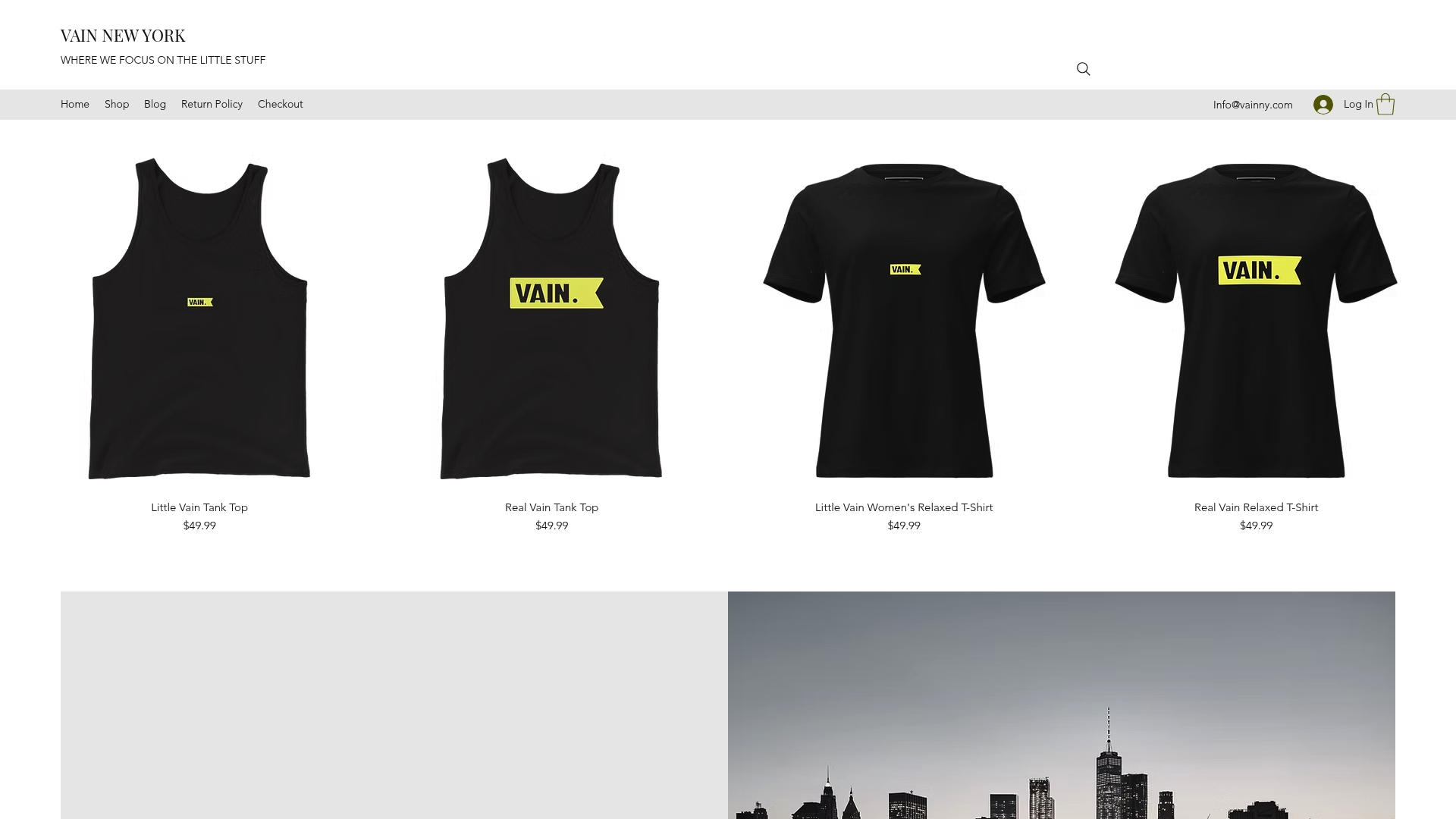
The Little Vain Auburn One-Piece Swimsuit is a direct example of what thoughtful NYC apparel sourcing produces: precise construction, considered material choices, and a fit that holds across wear and wash. If you are building your own line and want to see what the finished product of a strong manufacturing partnership looks like, browse the full Vainnewyork shop for inspiration. Let the work speak for what is possible when design and production move together.
FAQ
What is the minimum order quantity for NYC apparel manufacturers?
Most NYC apparel manufacturers set minimum order quantities at 50–60 pieces for sample or pilot runs. Bulk production runs typically start at 500 pieces and scale to 5,000 or more units for established brands.
How do I find the right apparel manufacturing partner in NYC?
Start by assessing your product’s construction complexity, then identify factories that specialize in that category. Studios like Nile Hudson New York and Activewear Manufacturer USA offer direct factory communication and technical expertise for fashion entrepreneurs.
Why should I use a production consultant before approaching NYC factories?
Production consultants help you build a complete tech pack and avoid costly sampling errors before your first factory meeting. Beautiful Connection Group’s Emerging Designer Support Program is one resource specifically designed for this early-stage preparation.
How long does NYC apparel production typically take?
Lead times for finished goods from NYC manufacturers average around 14 days for standard production runs. Bulk orders and complex technical garments may require 6–10 weeks depending on material sourcing and construction requirements.
Does local NYC manufacturing protect my intellectual property better than overseas production?
Yes. Working with NYC factories keeps your design files under U.S. contract law and allows you to audit production in person. Physical proximity also enables real-time pattern corrections without transmitting sensitive design assets internationally.
Recommended
Comments