Die Cut vs Kiss Cut Stickers: How to Choose the Right One


A die cut sticker is cut all the way through, both the vinyl and the paper backing, so the sticker you hold is the exact shape of your artwork. A kiss cut sticker is cut only through the top layer, so the design sits on a larger backing sheet and peels off easily. Choose die cut when you want the finished shape to be the presentation. Choose kiss cut when you want easy peeling, several designs on one sheet, or extra space on the backing for branding.
We make things for brands, artists and communities, and stickers are one of the smallest, most traveled pieces of that work. A sticker ends up on a laptop, a water bottle, a skate deck or the back of a phone. How it is cut shapes the first moment someone meets it, so it is worth getting right.
TL;DR
Die cut: cut through the sticker and the backing, so both share the same custom outline. Each sticker is a standalone piece.
Kiss cut: cut through the sticker layer only, leaving the backing whole. The sticker comes on a square or rectangular sheet and is easy to grip and peel.
Once applied, they can look identical. The difference is the presentation before peeling and how the sticker travels, not how it looks on the surface.
Price depends on more than the cut. Size, material, quantity and finish all matter, and a single die cut design in a short run is often the natural fit.
Rule of thumb: die cut for a standout single sticker, kiss cut for sheets, packs, intricate shapes and backings that carry a message.
Table of Contents
What is the difference between die cut and kiss cut?
The whole difference comes down to how deep the blade goes.
With a die cut sticker, the blade passes through both layers: the printed vinyl on top and the paper liner underneath. What you receive is a sticker with its own outline, and a backing that follows the same outline exactly. There is no border of paper around it. Many people also know this style as a contour cut, because the cut follows the contour of the design the way a cookie cutter follows its shape.
With a kiss cut sticker, the blade cuts the vinyl and its adhesive and stops at the backing. The liner stays in one piece. The sticker is outlined, but it is still sitting on a bigger sheet, usually a rectangle, from which you lift it.

Everything else can be the same. The material, the ink, the laminate and the print quality can match across both formats. If you put the same artwork on the same vinyl and only change the cut depth, you are comparing the two formats fairly.
Why it is called a kiss cut
The name describes the touch. The blade brushes the backing without cutting through it, a light contact rather than a full slice. That gentle, precise pressure is the “kiss.” It takes careful calibration, because too little pressure and the sticker will not lift cleanly, and too much and you have a die cut by accident.
A quick side-by-side
Die cut | Kiss cut | |
Cut depth | Through sticker and backing | Through sticker only |
Backing shape | Same custom outline as the sticker | Square or rectangular sheet around the design |
How it arrives | Individual, standalone piece | On a sheet, alone or with other designs |
Peeling | Lift from the sticker’s own edge | Grip the extra backing |
Best for | Standout single stickers, logos, giveaways | Sticker sheets, packs, small or detailed shapes |
Spare backing for branding | No | Yes |
Look once applied | Same as kiss cut from the same artwork | Same as die cut from the same artwork |
How peeling and handling differ
Peeling is where most people feel the difference.
A die cut sticker has no margin to hold. You lift it from its own edge, which is fine for a bold circle or a large logo. It gets trickier with small stickers, fine lettering, and designs with thin parts that stick out, like antennae, tails or script flourishes. Pick at those edges and you can bend a corner or nick the design before it ever reaches the surface.
A kiss cut sticker gives you a handle. The paper left around the design lets you hold the sheet steady with one hand and lift the sticker with the other. That is why kiss cut is a common choice for intricate shapes and for stickers meant to be handed to people who will peel them in a hurry, at an event or in a store.

Shipping and storage follow the same logic. A kiss cut sticker stays on its sheet until someone wants it, so its edges are shielded along the way. A loose die cut sticker is individually exposed, which is why many shops pack them carefully, with a rigid mailer or a protective sleeve. Kiss cut sheets also protect delicate edges for the same reason, which is one of the practical benefits Shopify’s guide to the two formats points to.
When die cut is the better choice
Die cut earns its place whenever the sticker itself is the finished object.
Logos and brand marks. A logo cut to its own outline looks deliberate, with no paper border to distract from it.
Giveaways and trade show handouts. A standalone sticker feels like a small gift. You can hand someone one piece and it is complete.
Laptop and water bottle stickers. These are the stickers people choose one at a time, and the shaped outline gives them personality.
Single-design runs. If you are ordering one design in a set quantity, die cut is the simple, clean answer.
Product packaging accents. A shaped sticker on a box, bag or mailer reads as part of the brand rather than as a label.
There is a practical design note here. Because the cut goes right through the backing, the outline needs to be clean and generous enough to cut well. Very narrow gaps and hairline protrusions are harder to cut and harder to peel. If your artwork has a lot of fine detail, consider simplifying the outline, or add a small solid border around the design so the cut line has room to work.
When kiss cut is the better choice
Kiss cut shines when the sheet, the handling or the backing matters.
Sticker sheets and multi-design packs. Several designs stay organized on a single backing, which suits collections, sets and planner kits.
Retail and merch bundles. A sheet slips into a mailer, a tote or a shopping bag without individual wrapping.
Small or intricate designs. The backing gives you something to hold, so peeling does not damage the artwork.
Branded backing. The extra paper can carry a logo, a thank-you note, care instructions, a social handle or a QR code. That is real estate a die cut sticker does not have.
Giving stickers to many people. Easy peeling means fewer fumbles, and more stickers end up where you hoped.
Think of the backing as a small canvas. A sheet with a clean grid of stickers on one side and a short message on the backing turns a simple product into a tiny piece of packaging that tells your story.
Does one look better once it is on a surface?
Not necessarily. When the artwork, material and finish are the same, a die cut and a kiss cut sticker can look identical once they have been peeled and applied. The difference people notice is before the peel: the standalone shaped piece versus the sticker on its sheet.
That is useful when you are deciding. If the end use is “someone sticks it on a laptop,” the final look is the same, and you can choose by what happens before the peel: how it ships, how it is handed out, how many designs you are offering and how much space you want for extra branding.
What affects the price
People often ask why die cut costs more than kiss cut, and sometimes it does not. Pricing is driven mostly by the practical details of your order:
Size. Bigger stickers use more material.
Quantity. Per-sticker cost usually falls as the run grows, and the gap between cut styles can narrow with volume.
Material and finish. Vinyl type, laminate and special finishes all change the cost.
Artwork complexity. A complicated outline takes more careful cutting.
Setup and turnaround. Short runs carry setup costs, and rush timelines add to them.
Shipping. Sheets and loose pieces pack differently.
A kiss cut sheet with several designs on it can bring the cost per sticker down because one sheet carries many pieces. A single design in volume brings the two formats much closer in price. So the best way to compare is to quote the same size, the same material and the same finish, then change only the cut. If you plan to sell stickers, run the numbers against the price you intend to charge, since a few dollars of difference in production changes your margin fast.
Can you kiss cut on any surface?
The cut style is about the backing, not the surface the sticker will end up on. What decides where a sticker works is the material and the adhesive. Vinyl with a protective laminate suits laptops, bottles, notebooks and many outdoor uses, provided the surface is clean and dry when you apply it. Extreme sun and heat can wear any sticker down over time, so for a sticker meant to live outdoors, choose a weather-resistant vinyl and apply it to a smooth, clean surface. Textured, dusty or oily surfaces are the usual culprits when a sticker lifts, regardless of whether it was die cut or kiss cut.
Matching the cut to the job
Here is a simple way to decide.
Start with the moment of use. Is the sticker handed over alone, or picked from a set? Alone points to die cut. A set points to kiss cut.
Look at the artwork. Bold, simple outline: die cut works well. Fine detail, thin parts or tiny size: kiss cut makes peeling safer.
Think about the backing. If you want to print a message, a code or instructions, you need kiss cut.
Think about shipping. Loose stickers in a mailer need protection. Sheets protect themselves.
Check the budget. Request quotes at the same specs and compare.
If you are still unsure, ask which result you would be prouder to see in someone’s hands. For many brands, the answer is a die cut hero sticker for people they want to impress, and a kiss cut sheet for the community that collects.
Using stickers as part of a bigger brand moment
Stickers work best when they are part of a wider story rather than an afterthought. At events, a shaped die cut sticker handed out with a branded experience stays in people’s pockets and on their bags afterward. If you are planning something like that, photo booth branding ideas show how branded touches can carry through an entire event, and a sticker is an easy way to extend that moment once the night is over.
If you want prompts for what to put on a sticker in the first place, our guide to sticker design ideas walks through turning creative prompts into merch. And if stickers are one piece of a larger merchandise plan, our notes on branded merchandise for marketers and merchandise design best practices are a good next step.
Design tips that work for both cuts
Whichever cut you choose, a few craft habits make the sticker better.
Keep the outline simple. A confident silhouette reads at a glance and cuts cleanly.
Mind the thin parts. Hairline details can tear on peeling. Thicken them or tuck them inside the shape.
Leave breathing room. A small border around the artwork gives the cut line space and protects the design.
Use bold contrast. Stickers are seen quickly and from a distance, on busy surfaces.
Plan the backing. On a kiss cut sheet, decide what the paper says. A short line of thanks or a handle is enough.
Think about scale. A design that looks sharp on screen can lose its detail at two inches, so preview it at real size.
These habits come from the same instinct that guides any good creative project: respect the final context. A sticker is not a small poster. It lives on someone’s belongings, and it should look right there.
Our perspective
We think of a sticker as a small piece of storytelling, and the cut is one of its quiet creative choices. A die cut sticker is a character with its own silhouette. A kiss cut sheet is a collection, a tiny gallery you can hand to someone. When we work with brands, artists and organizations, we start with the moment the sticker will meet a person. If it is a handshake, a single shaped piece that feels complete is hard to beat. If it is a gift bag, a drop or a community moment, a sheet with a branded backing gives people more to discover. That is how we approach all of our creative work: intentional, collaborative and made with care, whether it is a video, an animation or a merch piece that travels on someone’s laptop. Our products are made to order, and the same attention goes into deciding what a piece should be before we decide how it should be cut. Vain.
Bring your sticker idea to life with Vain.
If you are weighing die cut against kiss cut for a brand, an event or a merch drop, we can help you think through the whole picture, from the design and the story to the way it reaches people. We are a creative consultancy and production company in New York City, and our work spans video, audio, animation and strategy, alongside our own made-to-order merchandise. Explore what we do at Vain. New York.
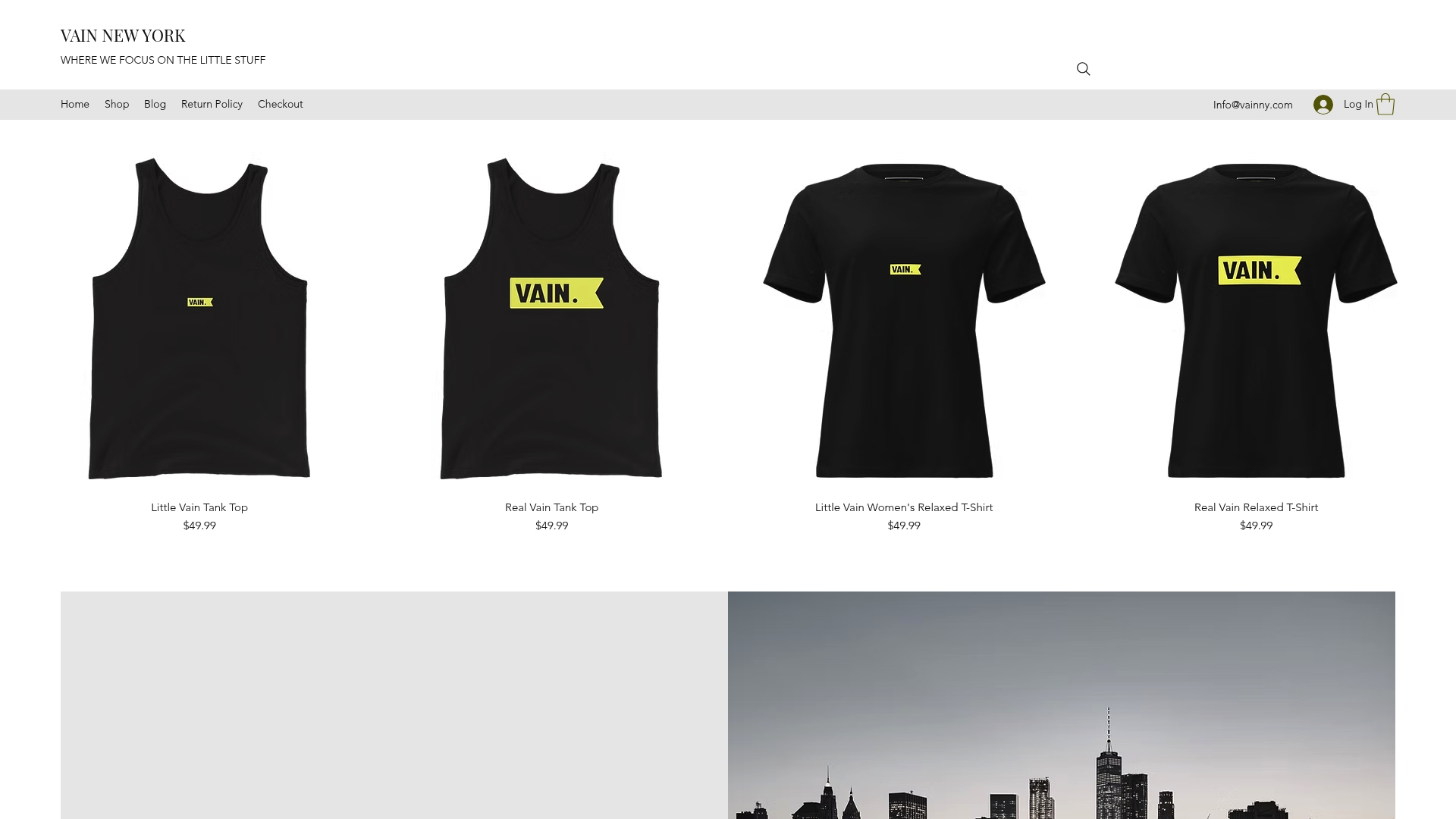
Want to see our stickers first? Take a look at our Vain bubble-free stickers, and for ideas on how merchandise builds a brand, read about building your brand through merchandise in NYC.
FAQ
What is a kiss cut sticker?
A kiss cut sticker is cut through the vinyl but not the paper backing. The design stays on a larger square or rectangular sheet, so you can grip the backing and peel the sticker easily. The name comes from the light touch of the blade.
Is die cut more expensive than kiss cut?
Sometimes, but the cut is only one factor. Size, quantity, material, finish and artwork complexity usually matter more. Kiss cut sheets with several designs are often cheaper per sticker, while a single design in volume prices much closer. Compare quotes with identical specs.
Do die cut and kiss cut stickers look different when applied?
Not if they use the same artwork, material and finish. Once peeled and stuck down, they can look identical. The visible difference is before peeling: a standalone shaped piece versus a sticker on a backing sheet.
Which is better for giveaways and merch?
Die cut suits a standout single sticker handed out on its own, such as at an event or inside a package. Kiss cut suits sticker packs, multi-design sheets and anything where you want the backing to carry a logo, message or QR code.
Are kiss cut stickers easier to peel?
Yes, in most cases. The extra backing gives you a margin to hold, which helps with small stickers and designs with thin or intricate parts. Die cut stickers must be lifted from their own edge, which takes a little more care.
Sources
Recommended
Comments