What Does Branded Merchandise Mean for Marketers?

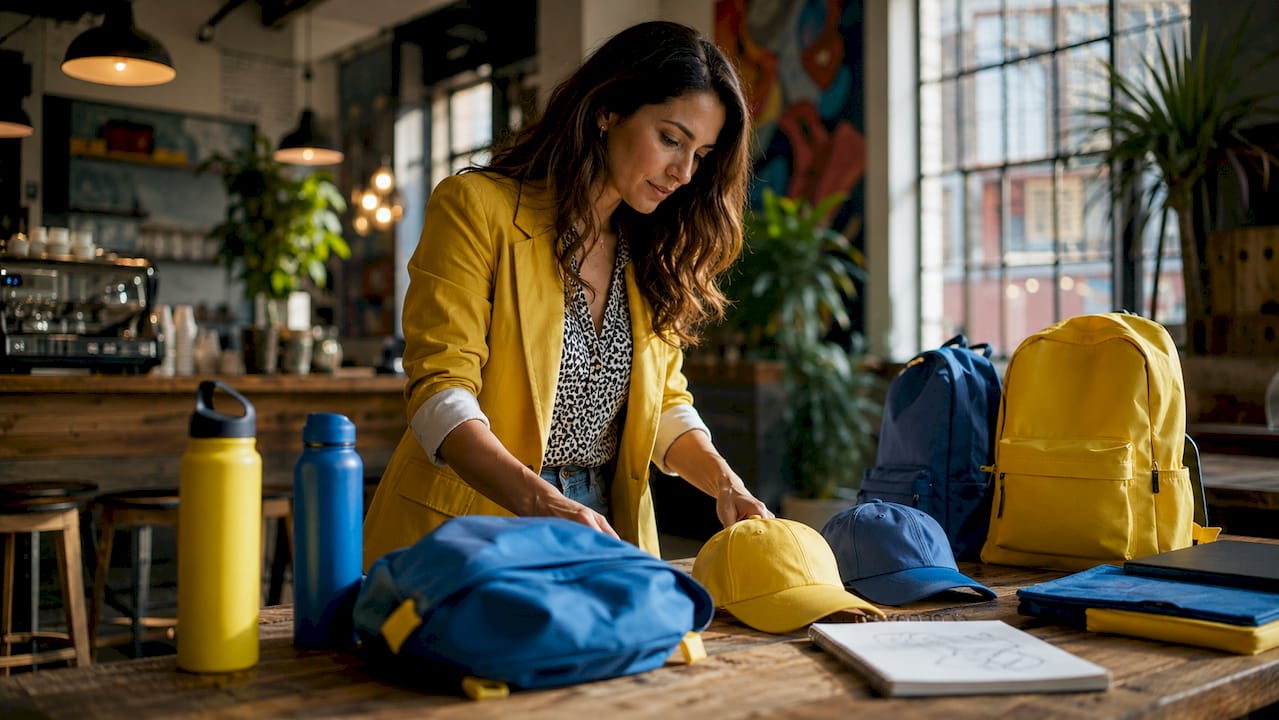
Branded merchandise is defined as any physical item customized with a company’s logo, colors, or slogan to build brand recognition and deepen customer relationships. Understanding what does branded merchandise mean goes well beyond printing a logo on a pen. In 2026, brands like VistaPrint and companies tracked by teamsunday.com treat branded merchandise as a performance marketing channel, measuring impressions and ROI the same way they measure paid digital ads. The result is a shift from viewing physical products as a budget line item to treating them as a deliberate, data-driven tool for brand growth.
What does branded merchandise mean, and how does it differ from swag?
Branded merchandise is defined as physical products intentionally designed to carry a company’s visual identity and reinforce its values over time. The industry term most professionals use is “promotional products,” but branded merchandise carries a more specific meaning. It signals ongoing brand alignment, not just a one-time campaign giveaway.
The distinction matters because not all branded items are created equal. Three terms get used interchangeably, but each describes something different:
Branded merchandise: Curated physical items selected to match brand values and generate repeated, high-value brand exposures. Think a well-crafted tote bag or a quality insulated bottle with your logo.
Promotional products: Items tied to a specific campaign or event, often distributed for a short window. A trade show giveaway pen is a promotional product.
Swag: A casual, catch-all term for branded freebies. Swag often implies lower intentionality and lower utility. It is the stack of stress balls nobody keeps.
The defining factor is intentionality. Branded merchandise is chosen because it fits the audience’s lifestyle and the brand’s identity. A tech company giving away wireless charging pads is practicing branded merchandise strategy. The same company handing out cheap plastic keychains is distributing swag. One creates a lasting impression; the other ends up in a drawer.
There is also a critical distinction between retail and promotional merchandise. Retail merchandise exists to generate sales revenue. Branded promotional merchandise exists to build relationships and impressions. Marketers who confuse the two often misjudge their merchandise budget and its expected return.
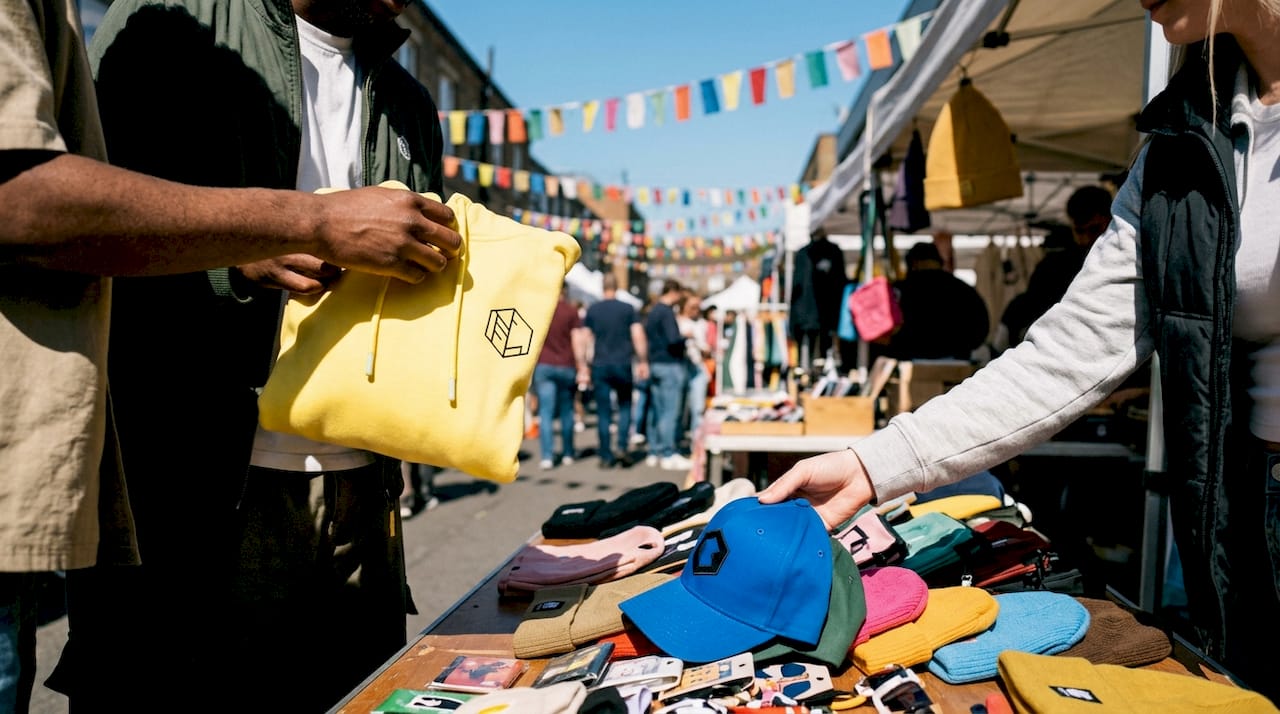
Why is branded merchandise important for business owners and marketers?
Branded merchandise works because of a principle rooted in human psychology: people remember what they touch. Physical objects create sensory memory in a way that a banner ad or a social media post simply cannot. Branded items serve as identity signals, fostering customer affinity and loyalty by becoming part of someone’s daily life.
People carry items that align with who they are or who they want to be. A well-designed branded hoodie from a creative agency does not just advertise the agency. It tells the world something about the person wearing it. That identity alignment is the quiet engine behind branded merchandise’s staying power.
“The brands that win with merchandise are the ones that ask: would my customer actually want to own this? Not just: is our logo on it?”
Digital saturation has made physical touchpoints more valuable, not less. When every inbox is full and every feed is crowded, a quality branded notebook sitting on someone’s desk generates impressions every single day. Those impressions compound over weeks and months without additional spend.
Pro Tip: Select merchandise that your customers would choose for themselves, even without your logo on it. If the product is genuinely useful and well-made, your brand benefits every time it is used.
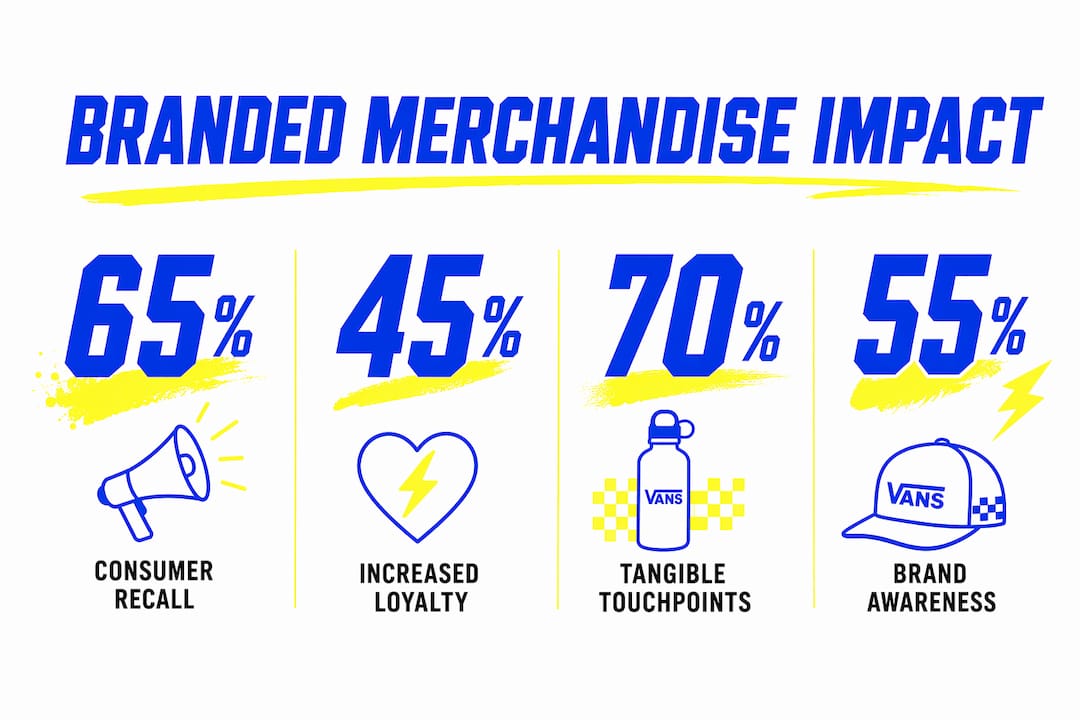
The marketing principles at play here are reciprocity and brand recall. When a business gives someone a useful, quality item, that person feels a sense of goodwill toward the brand. That goodwill translates into stronger brand recall, higher referral likelihood, and deeper loyalty over time. Understanding the importance of branded merchandise means recognizing it as a relationship tool, not just an advertising vehicle.
What are the most common types of branded merchandise?
Branded merchandise categories span a wide range of product types, each serving a distinct marketing purpose. The right category depends on your audience, your brand identity, and the context in which the item will be used.
Merchandise type | Common examples | Primary marketing benefit |
Apparel | T-shirts, hoodies, hats, jackets | High visibility, identity signaling, community building |
Drinkware | Insulated bottles, mugs, tumblers | Daily use, repeated brand impressions |
Writing instruments | Pens, notebooks, journals | Desk presence, professional gifting |
Tech accessories | Wireless chargers, USB drives, phone stands | High perceived value, modern brand positioning |
Bags | Tote bags, backpacks, drawstring bags | Mobile advertising, broad audience reach |
Common branded merchandise categories include apparel, drinkware, writing instruments, tech accessories, and bags. Each category serves a specific use case. Apparel builds community and turns customers into walking brand ambassadors. Drinkware earns daily desk or kitchen real estate, generating impressions without any additional effort from the brand.
Tech accessories carry a high perceived value relative to their cost. A branded wireless charging pad feels like a premium gift, which elevates the brand’s perceived quality in the recipient’s mind. Bags function as mobile billboards. A branded tote carried through a city generates hundreds of organic impressions per outing.
The selection process should always start with the audience. A fitness brand’s customers will respond to a branded water bottle or gym bag. A financial services firm’s clients will appreciate a quality leather notebook. Custom apparel works across almost every industry because clothing is inherently personal and social.
Utility drives impact. The higher the daily utility of the item, the more impressions it generates and the stronger the brand connection it builds. Low-utility items, regardless of how well-branded they are, get discarded. High-utility items become part of someone’s routine.
How do businesses plan and execute branded merchandise campaigns effectively?
Effective branded merchandise campaigns in 2026 are built on data, not guesswork. The most common mistake is ordering product quantities based on gut feel. Data-driven ordering aligned with audience personas prevents waste and reduces unsold inventory sitting in a storage room.
Modern programs use fulfillment hubs and just-in-time distribution to reduce both cost and environmental impact. Fulfillment hubs in global logistics enable production in one location with distribution across regions within days. That model transforms what used to be a logistical headache into a precise, scalable operation.
Sustainability is no longer optional. Marketers in 2026 face real scrutiny over overproduction. Careful production planning and regional fulfillment centers minimize carbon footprint and inventory risk simultaneously. Choosing durable, high-quality items also reduces waste because recipients keep them longer.
Measuring effectiveness is the final piece. Treat branded merchandise like any other marketing channel by tracking:
Impressions per item: Estimate how many people see the item based on usage frequency and context.
Engagement lift: Track whether merchandise recipients show higher engagement, purchase rates, or referral activity.
Cost per impression: Divide total merchandise spend by estimated total impressions to compare against digital channel costs.
Retention and loyalty signals: Monitor whether gifted customers show stronger retention metrics over time.
Pro Tip: Partner with a fulfillment provider that offers on-demand production. It eliminates minimum order pressure and lets you test new merchandise concepts without committing to large inventory runs.
Choosing merchandise aligned with brand identity and customer personas significantly boosts impact. A well-targeted run of 200 high-quality items outperforms 2,000 generic ones every time. The goal is fewer, better items that people genuinely use and value.
Key Takeaways
Branded merchandise is a physical marketing channel that builds brand recognition and loyalty through intentional, high-utility products aligned with both brand identity and customer values.
Point | Details |
Definition of branded merchandise | Physical items customized with brand identity elements to build recognition, loyalty, and measurable marketing outcomes. |
Branded merch vs. swag | Branded merchandise is curated for ongoing brand alignment; swag is typically low-utility and campaign-specific. |
Psychology drives impact | People remember what they touch, and items aligned with customer identity generate lasting brand affinity. |
Data-driven ordering matters | Ordering based on audience personas prevents waste and improves ROI compared to bulk, untargeted production. |
Measure it like a marketing channel | Track impressions, engagement lift, and cost per impression to justify and refine merchandise investment. |
Branded merchandise is the quietest channel in your marketing mix
I have watched branded merchandise get treated as an afterthought for years. It gets a line item in the budget, someone orders a box of pens, and the conversation ends there. That approach misses what merchandise actually does when it is executed with real intention.
The brands I respect most treat their merchandise the way they treat their content strategy: with audience insight, creative discipline, and a clear goal. They ask who will receive this item, where it will live, and how many times it will be seen. That thinking produces merchandise that builds genuine culture and belonging, not just brand exposure.
What surprises most marketers is how well physical merchandise performs against digital channels when you measure it honestly. A quality branded item used daily for a year generates more impressions at a lower cost per impression than most paid social campaigns. The channel is not flashy, but it is durable.
My advice is simple: stop treating branded merchandise as a giveaway and start treating it as a creative investment. Choose fewer items. Choose better items. Choose items your audience would actually want to own. That shift in thinking changes everything about how merchandise performs for your brand.
— Neville
Vainnewyork’s branded merchandise shop for your brand
Quality branded merchandise starts with quality design and production. Vainnewyork brings the same creative discipline it applies to brand development and content strategy to its curated merchandise offerings.
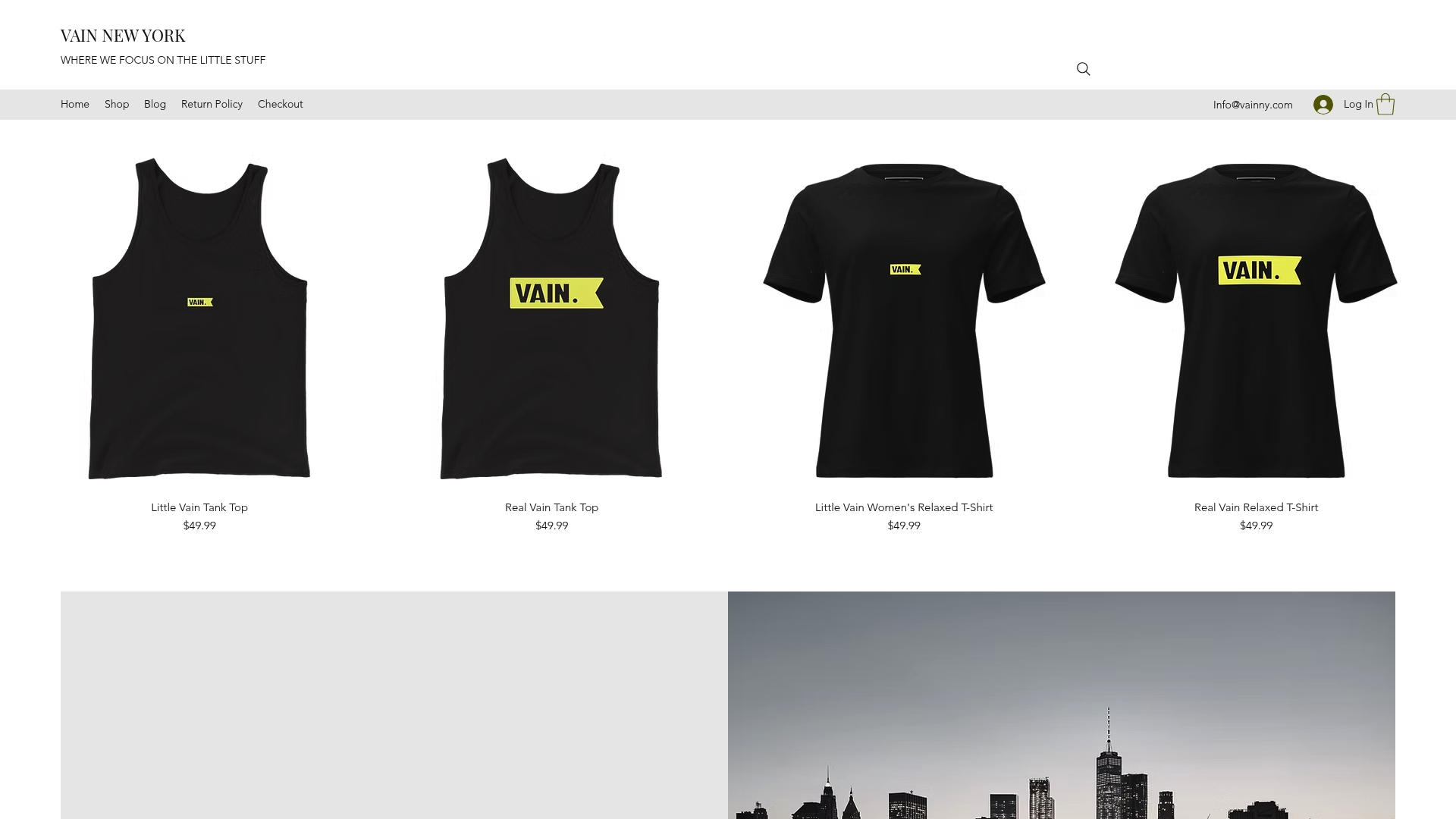
The Vainnewyork shop features apparel and branded products designed with the same attention to craft that defines the brand’s broader creative work. Whether you are building a merchandise program for a growing business or looking for a single standout piece that reflects your brand’s identity, the shop offers options built for visibility and lasting impression. Every product is an opportunity to make your brand part of someone’s daily life.
FAQ
What does branded merchandise mean in simple terms?
Branded merchandise is any physical product customized with a company’s logo, colors, or message to increase brand visibility and build customer loyalty. It functions as a tangible marketing tool rather than a product sold for profit.
How is branded merchandise different from promotional products?
Branded merchandise is curated for ongoing brand alignment and repeated use, while promotional products are typically tied to a specific campaign or event. The key difference is intentionality and duration of impact.
What are the best types of branded merchandise for small businesses?
Apparel, drinkware, and tote bags offer the highest utility and broadest visibility for most small business audiences. High-utility items generate more daily impressions and stronger brand recall than low-utility alternatives.
How do you measure the ROI of branded merchandise?
Track cost per impression by dividing total spend by estimated impressions, and monitor whether merchandise recipients show higher engagement or purchase rates. Treating merchandise as a performance channel requires the same measurement discipline as digital advertising.
Is branded merchandise the same as retail merchandise?
No. Retail merchandise is sold to generate revenue, while branded promotional merchandise is distributed to build brand impressions and relationships. The business goal behind each is fundamentally different.
Recommended
Comments